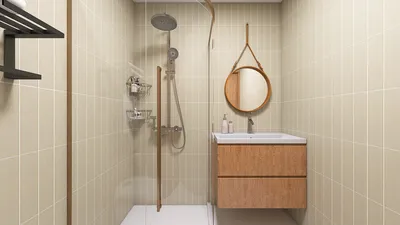


Planning small bathrooms can yield surprisingly abundant space when circulation is managed wisely and fixtures are placed correctly, even within an 8 x 9-foot footprint. A reliable check of space standards is crucial: IES suggests an ambient lighting level of 300–500 lux for bathrooms, increasing to 1500–2000 lux at the vanity for activities like shaving and makeup. This directly impacts the positioning of mirrors and the number of luminaires needed. Furthermore, WELL v2 guidelines advocate for glare control and adequate ventilation, recommending continuous ventilation rates of 20–30 cfm or 50–100 cfm for intermittent exhaust to maintain a healthy indoor atmosphere and humidity levels. These considerations are essential as they dictate the configuration of lighting circuits, fan placements, and mirror heights in a compact design. By using innovative tools like Homestyler for layout planning, you can visualize your space effectively.
In terms of functionality, most households require two distinct pathways: a quick route from the doorway to the toilet and a grooming area that can support at least two simultaneous tasks. Research from Herman Miller and Steelcase shows a strong connection between decluttered spaces and reduced cognitive load, enhancing daily routines. In an 8 x 9 layout, this translates to emphasizing clearances—30 inches in front of the toilet and 24–30 inches at the vanity—while strategically placing the shower entry away from main traffic areas. According to Verywell Mind, calming colors such as desaturated blues and greens can alleviate visual clutter and contribute positively to overall relaxation.
Option 1: Classic Three-Fixture Line
Align a 60-inch tub-shower combo, a 30-36 inch vanity, and a toilet sized 28-30 inches along the 9-foot wall. Ensure a clear 30 inches in front of each fixture. This straight-line configuration simplifies plumbing and provides a 36-inch aisle across from the vanity, which is perfect for a mirror flanked by 24-30 inch sconces positioned at 60-66 inches above the floor. Enhance lighting with a 4000K ambient ceiling fixture and 3000–3500K sconces for optimal facial illumination as recommended by IES.
Option 2: Wet Zone + Dry Zone Split
Designate a 36 x 60 inch shower enclosed by a glass panel on one side (wet zone) and situate the vanity and toilet on the opposite side (dry zone). Integrate a slight curb or a low-profile linear drain to manage water flow. This division minimizes moisture spread and boosts ventilation—install an exhaust fan near the shower tailored to the room's size and humidity requirements. Opt for light, matte tiles to minimize glare and select a slip-resistant textured flooring with a 0.42+ DCOF rating.
Option 3: Corner Shower, Floating Vanity
Incorporate a 36–38 inch neo-angle or rounded corner shower to free up a wall space for a 36-inch floating vanity and a wall-hung toilet. These floating features create an illusion of expanded space and facilitate cleaning. Maintain a minimum of 15 inches from the centerline of the toilet to any wall obstruction and ensure 30 inches of clearance in front. Wall-hung toilets usually require a 6–8 inch in-wall carrier depth, so plan accordingly on the plumbing wall.
Option 4: Alcove Tub with Storage Niche
Install a 60-inch alcove tub on the 8-foot wall, centrally position a 30–36 inch vanity on the opposite wall, and place the toilet near the tub end for plumbing efficiency. Create a 12-inch-deep recessed storage niche above the tub for toiletries and a 4–6 inch niche beside the vanity for everyday items. Set the vanity height at 34–36 inches for ergonomic access, ensuring at least 18 inches of landing space on either side of the sink in accordance with NKBA guidelines.
Option 5: Walk-In Shower with Bench
Allocate 36 x 60 inches for a walk-in shower featuring a 12-inch corner bench and a clear 24-inch entry. A frameless door that swings outward adheres to egress requirements while reducing water spillage. Place the handheld showerhead at a height of 36-42 inches and the main showerhead at 80-84 inches. Incorporate a 2-inch mosaic tile for effective slope control and grip, while larger wall tiles minimize grout maintenance requirements.
Option 6: Double Vanity in a Compact Footprint
For dual users, a 60-inch double vanity can fit along the 9-foot wall with the toilet and a 36-inch shower on the opposite side. Maintain a 36 inch clearance in front; offset the basins to provide 18–21 inches of width per user. Install two vertical sconces with adequate spacing to eliminate shadowing. In high-traffic mornings, incorporate two shallow drawers for each user and a central shelf for towels to prevent conflicts with cabinet doors.
Option 7: Powder + Shower Hybrid
If bathing takes a back seat, opt for a spacious single vanity (42–48 inches) and a compact 32 x 54 inch shower. Install a wall-hung cabinet above the toilet (at least 10 inches deep) to increase storage without obstructing views. Keep sightlines from the entrance to the far wall open—utilize bright, high-CRI lighting and a single large-format mirror to enhance the perception of depth.
Option 8: Accessible-Friendly Plan
Design a clear path of 36 inches from the door to the toilet and shower. If there’s enough space, create a curbless shower with a 60-inch turning radius and install grab bars at a height of 33-36 inches. Features like single lever faucets, non-slip flooring, and contrasting edge strips will improve safety and visibility. If full ADA measurements aren’t feasible, focus on having a no-step entry and sufficient front clearance at the vanity instead.
Lighting and Glare Control
Implement a layered lighting scheme including ambient, task, and accent lighting with correlated color temperatures suited to their function: 4000K for a clean ambiance, 3000–3500K at the mirror for flattering skin tones, and 2700–3000K for a night light on a low-lumen circuit. To achieve optimal face illumination, cross-light with sconces near eye level and incorporate a dimmable ceiling fixture. Consult IES bathroom lighting guidelines to ensure the mirror receives 1500–2000 lux while avoiding glare from glossy tiles.
Ventilation and Humidity
Select an exhaust fan according to the room’s cubic volume and run it during and after showers. The WELL v2 standard highlights the significance of moisture management and optimal filtration, suggesting that even in a small bathroom, it’s vital to isolate wet areas and use a timer or humidity sensor for the fan. Position towels away from direct steam exposure and install appropriate thresholds or linear drains to prevent puddles.
Ergonomics and Daily Flow
Ensure smooth traffic flow with designated front clearances: maintain 30 inches in front of the toilet, 24-30 inches in front of the vanity, and at least 24 inches at the shower entry. Position the mirror so its base is approximately 40–42 inches above the floor, or center it at 60–66 inches to cater to users of varying heights. Features like soft-edged handles, drawers in lieu of deep cabinets, and dedicated pull-outs for hair dryers will streamline daily activities.
Material Selection and Maintenance
Choose matte or satin finishes to minimize glare; select high DCOF porcelain for floors and easy-to-clean large-format tiles for the walls. Utilize quartz or solid-surface countertops with integrated backsplashes to prevent water infiltration. Seal grout with penetrating sealants, and adopt a calm color palette—muted greens or blues can positively affect mood based on color psychology research from Verywell Mind—layered with warm metal accents for aesthetic balance.
Acoustic Comfort
Sound can echo in small bathrooms. Mitigate reflections using a fabric shower curtain instead of glass, acoustic-backed doors, or even a cork underlayment beneath tiles, where feasible. Investing in a quieter exhaust fan (around 1.0 sone or lower) can create a more tranquil atmosphere for early mornings.
Storage That Doesn’t Dominate
Incorporate recessed medicine cabinets to maximize wall depth and include a toe-kick drawer beneath the vanity for flat items. A 10–12-inch deep wall cabinet situated above the toilet aids in keeping the area uncluttered. If the layout permits, consider a shallow linen tower (12–15 inches deep) near the entry to store bulk items without overwhelming the space.
Planning Your Layout
Create scaled sketches of fixture footprints to verify clearances before finalizing your design. For a quick exploration of different arrangements, a room layout tool like Homestyler can help visualize circulation, spacing of fixtures, and lighting overlaps in your 8 x 9 plan.
Referencing authoritative materials can be hugely beneficial: IES standards for bathroom lighting levels and WELL v2 guidance on ventilation and moisture control together dictate tangible comfort in smaller spaces.
FAQ
Ensure at least 30 inches of clear front space to facilitate comfortable use and prevent conflicts with the door swing.
Aim for 1500–2000 lux at the mirror for task lighting and 300–500 lux for ambient light. Vertical sconces at eye level help diminish shadows and glare.
Yes, a 60-inch double vanity is feasible when paired with a compact 36-inch shower, given careful adherence to clearance requirements. Maintain a 36 inch gap for adequate circulation.
It’s achievable with the right slope and installation of a linear drain. Plan for 36 x 60 inches for comfortable maneuverability, and contemplate adding a bench or grab bars.
Utilize an appropriately sized exhaust fan (with humidity sensor or timer) and isolate the wet zone; the guidelines from WELL v2 support moisture management and ventilation strategies to uphold indoor air quality.
Light, muted tones—such as blues, greens, and warm neutrals—alongside high-CRI lighting enhance the room's perceived spaciousness and improve the rendering of skin tones.
For efficient daily use, a 36 x 60-inch walk-in shower paired with thoughtful storage niches reduces upkeep, while a 60-inch alcove tub can be installed seamlessly along one wall if bathing is a priority.
Maximize storage with recessed medicine cabinets, toe-kick drawers, and limit wall cabinets above the toilet to dimensions of 10–12 inches deep. Keep open shelving narrow to avoid visual busyness.
Choose porcelain tiles with a DCOF of 0.42 or higher for safety against slips. Small-format mosaic tiles in the shower pan improve traction and manage slope effectively.
Position the exhaust fan close to the shower or tub, away from supply air, and dimension it according to the room size. Run it during showers and for 20-30 minutes afterward to eliminate moisture.
Center mirrors at an approximate height of 60–66 inches for shared usability, or set the bottom edge around 40–42 inches to accommodate various users.
Opt for matte finishes, avoid placing downlights directly in front of mirrors, and favor vertical sconces positioned on either side to maintain consistent color temperatures without mismatches.

Kitchen Pantry Cabinet, 75" Tall Pantry Cabinet
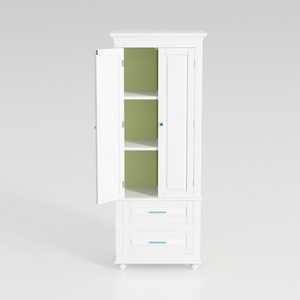
White Pantry Cabinet with Drawer, 75 Inch Tall
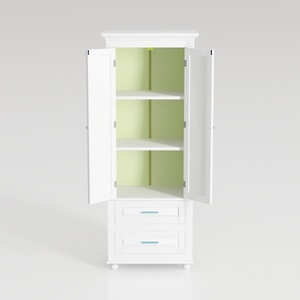
Kitchen Pantry Cabinet, 75" Tall Pantry Cabinet
Discover the joy of home design with Homestyler! This user-friendly online platform offers a powerful design tool, stunning 3D renderings, and a wealth of inspiring design projects. With DIY video tutorials, you’ll easily transform your ideas into reality, no matter your skill level.
Progetta ora GRATIS
































