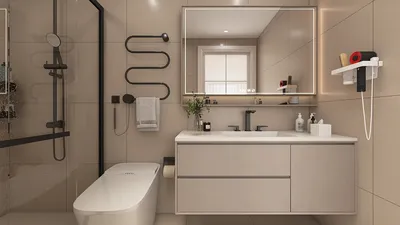


I once made the mistake of installing a compact sink intended for a 60cm cabinet. After I cut the countertop and turned on the faucet, water inundated the cabinet because I had neglected to consider the trap placement. This rookie error taught me the importance of thinking in three dimensions: every inch in small kitchens tells a unique story. Navigating these confined spaces provokes creativity, and I've since discovered five effective sink solutions that combine functionality with style, all while utilizing the Homestyler tool to streamline my designs.
1. Slim single-bowl sinks
Slim single-bowl sinks are ideal when counter space is at a premium. These sinks provide a full depth basin while maintaining a narrow footprint, making them especially suitable for breakfast nooks or galley layouts. The benefit lies in maximizing usable counter area beside the sink; however, the downside is reduced space for larger pots inside the basin. A removable chopping board or roll-up drying rack can quickly mitigate this issue. For designs needing swift planning, I often utilize a room planner like Homestyler to visualize the sink alongside adjacent prep zones.
save pin
2. Corner mini sinks
Corner mini sinks ingeniously reclaim neglected corners, creating an uninterrupted countertop surface. Although they may seem unusual initially, I installed one in a compact studio kitchen and loved how it kept the main countertop clear and organized. The downside includes challenging plumbing angles and limited basin size, hence it’s essential to allow for a bit more cabinet space or employ a 3D floor planner to preview the interiors before making a decision.
save pin
3. Integrated sink-drainer combos
Integrated sink-drainer combinations simplify both washing and drying processes within confined spaces. An undercut drainer groove or a sloped integrated surface enables stacking washed items without requiring a separate drying rack. These designs provide a sleek appearance and minimize clutter, although custom versions can increase costs. I frequently recommend an integrated surface to clients seeking a minimalist aesthetic with practical advantages, and tools like Homestyler can help visualize these options.
save pin
4. Pull-out and folding sinks
Pull-out or folding sinks offer a touch of designer creativity that I thoroughly enjoy incorporating. They can be concealed when not in use and expanded when necessary—ideal for multipurpose counters that serve as dining or workspaces. While the mechanical components must be of high quality to prevent wear and tear, not every plumbing configuration can support them. Yet, in the right scenarios, they can dramatically enhance usability. When planning modular designs, using an AI interior design tool like Homestyler can effectively visualize the mechanism in your specific setup.
save pin
5. Stainless steel bar sinks for secondary tasks
Bar sinks, or prep sinks, may be small, but they still offer significant utility. They are excellent for rinsing produce or serving as an additional station when space is limited with a primary sink. Typically, they are cost-effective and easy to install; however, they cannot replace a larger kitchen sink suitable for pots and pans. I added a bar sink to an active family kitchen, allowing for coffee preparation away from food washing, and it quickly became a favored feature.
save pin
FAQ
Q: What dimensions define a small kitchen sink? A: Generally, any sink under 18 inches (45cm) wide qualifies as small; the design of the depth and bowl also influences the perceived size.
Q: Can I fit a small sink into existing cabinetry? A: Yes, in most cases, but it’s critical to verify cabinet depth and plumbing clearances; sometimes a false drawer or trim may need adjustments.
Q: Are stainless steel sinks preferable for small kitchens? A: Stainless steel is sturdy, saves space, and enhances light reflection, thereby visually enlarging the area; however, composite materials can offer quieter operation and varied color choices.
Q: How do I choose between single and double bowl sinks? A: For smaller kitchens, I typically suggest a single, deep bowl for greater versatility and easier cleaning; double bowls consume more counter and cabinet space.
Q: Do corner sinks create plumbing difficulties? A: Corner sinks may necessitate angled drain runs and meticulous trap placement, so it’s wise to plan with a plumber; they’re manageable but require coordination.
Q: What’s the best way to dry dishes with a petite sink? A: Implement over-the-sink solutions like roll-up drying racks or integrated drainer systems to conserve counter space.
Q: Are pull-out sinks dependable for the long haul? A: Quality is crucial—opt for reliable hardware and be prepared for occasional maintenance; a certified installer can ensure correct alignment.
Q: Where can I digitally visualize small sink layouts? A: You can explore reputable planning tools such as Homestyler to test layout proportions and sink placement before execution.
save pin
Homestyler is your go-to online design tool for transforming your home. With stunning 3D renderings, a vast array of design projects, and engaging DIY video tutorials, creating your dream space has never been easier or more fun! Let your creativity shine with Homestyler.
Design jetzt kostenlos
































