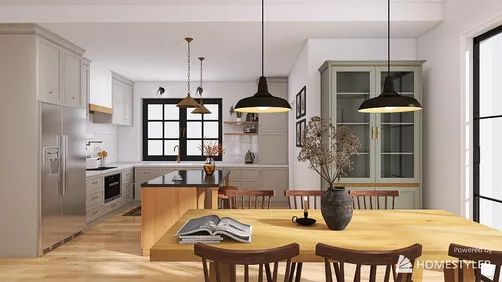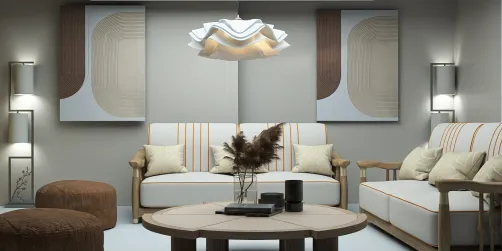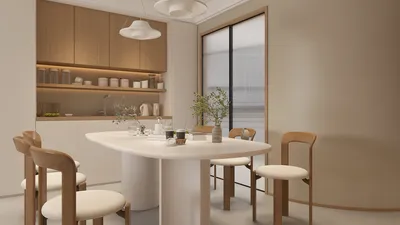



I had a client who was adamant that their new recliner must fit snugly between a bookshelf and a radiator. Looking back, I can say I earned extra creativity points — and definitely a lecture on fire safety. That experience taught me that when dealing with small spaces, the key is making intelligent choices without sacrificing comfort. If you're trying to design a cozy and uncluttered small living area with a recliner, here are five strategies drawn from real-life room transformations I managed, all applicable in your efforts with tools like Homestyler.
1. Choose a genuinely compact recliner
Not every recliner is a bulky entity; retailers like Rooms To Go feature compact swivel and wall-hugging models that defy the norm. The benefit here is clear: you enjoy comfort without occupying excessive floor space, although you might find a trade-off in slightly firmer cushions or narrower armrests.
save pin
2. Opt for wall-hugging and zero-wall designs
Wall-hugging mechanisms allow a chair to recline with minimal clearance, making them ideal when there's a hallway or doorway behind the seat. The greatest benefit lies in conserving depth, but be aware that you may have a reduced footrest extension. It's crucial to test the full recline to ensure it provides adequate leg support before making a decision.
save pin
3. Position a recliner to maintain clear sightlines
Place the recliner strategically so it doesn’t obstruct movement: a corner angled toward the TV or window usually works best. To help visualize your seating arrangement as you experiment with placements, why not create a quick mockup using Homestyler to eliminate guesswork and avoid purchasing a chair that doesn't fit your space?
save pin
4. Use multifunctional surfaces and sleek designs
A slender recliner, coupled with a nesting side table or a narrow console behind it, allows you to enjoy coffee and store essentials without crowding your space. This setup offers functionality in a footprint that feels open, though you might need to forgo a large side table or bulky ottoman.
save pin
5. Select colors, leg styles, and fabrics to keep the look airy
Light fabrics, visible legs, and low-profile designs help a recliner appear less imposing. I once replaced a dark leather recliner with a light fabric one, and the room instantly felt so much larger. While light materials require more upkeep, especially with pets or children around, planning for stain protection is wise. To effectively explore different arrangements and furniture scales, I suggest crafting a space-saving layout mockup using Homestyler before you start shopping.
save pin
FAQ
Q1: Can a recliner fit in a small living space?
My go-to approach is to always start with measurements: seat width, depth, full recline length, and ensure there’s at least 12–18 inches of space around it for ease of movement. Measuring first helps avoid surprises and assists in selecting the appropriate compact model.
Q2: How much clearance does a recliner need?
For most recliners, it's wise to allow at least 3–6 inches behind wall-hugger styles and 18–24 inches in front for complete leg extension. Always check the manufacturer’s specifications for exact clearance requirements when fully reclined.
Q3: Are swivel recliners better suited for compact areas?
Definitely—swivel bases enable a single chair to cater to various sightlines, minimizing the need for additional seating. However, this can often come with a higher price point and a different cushion feel compared to standard bases.
Q4: Can I place a recliner in a bedroom?
Absolutely—bedrooms are perfect for cozy recliner placements. Just take note of door swing and ensure there's adequate clearance from dressers, selecting a style that fits the scale and decor of the room.
Q5: What materials are ideal for small-space recliners?
Microfibers and performance fabrics not only provide a sleek appearance but also endure wear well; light neutrals can visually expand your room, while patterns may help conceal stains but potentially make the chair appear larger.
Q6: Should I opt for a smaller recliner or a sofa?
If your goal is individual comfort and you’re working with limited space, a compact recliner can be more beneficial than a oversized sofa. For seating multiple people, consider a slim loveseat along with an accent recliner.
Q7: What safety precautions should I take when placing a recliner near radiators or vents?
Avoid placing the recliner in direct contact with heat sources; ensure you maintain the manufacturer's clearances and that vents aren’t blocked to prevent overheating. Additionally, check that any recliner wiring isn’t positioned under rugs or common pathways.
Q8: Where can I find trustworthy help for room layout?
For precise planning and to steer clear of purchasing errors, utilize floor planning tools and visual mockups—reputable industry sites and layout guides like Consumer Reports offer helpful measurement checklists and reputable buying advice to rely on (refer to Consumer Reports for specifications on seat sizing and clearance).
What began as an Autodesk innovation has evolved into a design platform used by more than 20+ million registered users (platform data, 2026) around the globe. Homestyler combines powerful rendering, an intuitive editor, and a vast furniture library to help you turn inspiration into photorealistic designs — whether you're redesigning a single room or planning an entire home.
Homestyler is your go-to online home design platform! With an easy-to-use design tool, stunning 3D renderings, and a wealth of DIY video tutorials, you can effortlessly create and visualize your dream spaces. Transform your home with inspiration and creativity, all in one place!
Desain sekarang Gratis



















![[For my dearest Sabrinik 🧡]](https://hs-designs.homestyler.com/production/design/images/3f463715-5ed6-4c49-9346-16d464510aa6/1714085722568.jpg?x-oss-process=image/resize,w_502,m_mfit/format,webp)