


The concept of open-plan living has progressed from a mere trend to a full-fledged lifestyle choice, but true comfort is achieved through smart zoning. The most effective ways to partition living rooms and kitchens maintain clear sightlines, control sound and light, and facilitate natural movement for everyday activities—such as cooking, socializing, or working from home. Implementing tools like Homestyler can help visualize these efficient layouts.
When making design decisions, it's crucial to base them on human performance. The WELL v2 standard emphasizes the significance of acoustic and visual comfort in spaces meant for multiple uses, linking these factors to overall well-being and productivity. Research by Steelcase suggests that individuals tend to be more productive when they have some control over their environment, particularly regarding noise and visual distractions. This highlights the importance of layered partitions that mitigate sound, glare, and movement, all while maintaining connectivity (WELL v2, Steelcase Research).
In my approach to design, I always focus on three key data-driven aspects in the initial phase: acoustic absorption coefficients for the materials chosen for partitions, recommended task lighting levels for kitchen work surfaces according to IES standards (typically ranging from 300 to 500 lux), and appropriate ergonomic clearances around islands and seating (900 to 1100 mm) to prevent traffic congestion. Armed with these parameters, the creative process can unfold.
Framed Transparency: Glass Partitions That Manage Light and Sound
Steel-framed glass, ribbed glass, and acoustic laminated panels can delineate zones without creating a cramped feel within the room. Utilizing fluted or channel glass can obscure clutter while ensuring ample daylight enters the area, effectively masking the busy nature of a kitchen. When designing cooking spaces, it's advisable to choose laminated acoustic glass (with an STC rating of 34 to 38) to mitigate noise. Pair this with ceiling-wash lighting to calm glare, preserving a serene atmosphere in the living area.
Half-Height Walls and Shelf Screens
A pony wall measuring 900 to 1200 mm, complete with integrated shelving or planter ledges, offers a visual break, conceals appliance bases, and supports casual seating. Open shelves provide a way to filter light and serve as display areas while maintaining layered sightlines. I tend to keep the depth of shelves around 300 to 350 mm to accommodate cookbooks and small speakers without adding bulk to the partition.
Slatted Wood and Acoustic Baffles
Wooden slats, typically 18 to 30 mm thick and spaced 15 to 25 mm apart, introduce rhythm and warmth while offering subtle screening. By placing dark acoustic felt behind them, you can enhance the Noise Reduction Coefficient (NRC) while maintaining a light feel in the space. Vertical slats can draw the eye upward in apartments with lower ceilings, while horizontal slats can elongate narrow layouts. Opt for sustainably sourced oak or ash to ensure durability.
Island as Partition: Social Spine with Defined Circulation
A kitchen island or peninsula can act as a flexible boundary if designed with care. It's ideal to create at least 1000 to 1100 mm of clear passage on the living side, with a minimum of 900 mm on the kitchen work side. Waterfall edges can lend visual weight, and dual-height counters (such as a bar height of 1050 to 1100 mm at the back of a 900 mm prep zone) can keep messes out of sight. For effective planning, employing a simple interior design tool like Homestyler can aid in simulating circulation and sightlines before executing designs.
Pocket Doors and Sliding Screens
For times when cooking smells or noise need to be subdued, large-format sliding panels allow for flexible separation. Opt for top-hung systems to eliminate thresholds, ensuring smooth transitions that are wheelchair accessible. Seasonal material choices can include woven cane for summer or upholstered acoustic panels for the comfort of winter. Hide these panels within a 120 to 150 mm wall pocket for a sleek finish.
Bookcase Walls with Pass-Throughs
Full-height bookcases with thoughtfully placed cut-outs can create layered visual experiences. Ensure a central pass-through of 1000 to 1200 mm aligns with the primary flow of traffic. Closed lower cabinets can conceal kitchen distractions while open upper shelves maintain an airy feel. Including integrated task lighting allows shelves to serve dual purposes as both functional and ambient sources during evening hours.
Green Partitions: Planters, Trellises, and Biophilic Layers
Using biophilic screens—such as steel trellises adorned with climbing plants or staggered planter bases—can soften sound and visually cool the overall aesthetic. Position plants thoughtfully to avoid obstructing under-cabinet task lighting. Self-watering planters minimize upkeep while resilient plant species like pothos or philodendron thrive in mixed light conditions.
Color and Finish Strategies that Subtly Divide
Employing color psychology can effectively sculpt spaces. Cooler, muted tones in living areas promote relaxation and a sense of space, while warmer neutrals in kitchens can enhance energy and appetite. Utilize a shared undertone across both zones to ensure cohesion. Matte finishes help reduce glare from kitchen lighting into living spaces, while semi-matte or eggshell finishes allow for practical cleaning solutions on the cooking side.
Lighting as an Invisible Partition
Implementing layered lighting can enable each zone to function optimally. According to IES guidelines for kitchen task lighting, aim for 300 to 500 lux on counters via under-cabinet LED strips (2700 to 3000K for evening ambience and around 3500K for daytime clarity). In the living area, maintain ambient lighting at 100 to 200 lux using 2700 to 3000K lamps to encourage relaxation. Incorporating dimmers provides user control, aligning with WELL v2 objectives for visual comfort.
Acoustic Comfort Without Heavy Walls
Sound insulation plays a pivotal role in space quality. Combining soft furnishings, area rugs, and fabric wall panels with slatted partitions can achieve a balanced NRC. For settings featuring hard surfaces, such as stone islands and concrete floors, adding acoustic ceiling clouds or cork wall panels near the living space can significantly improve sound quality. Even a modest NRC enhancement of 0.15 to 0.25 can create a more intimate conversational atmosphere.
Material Choices and Sustainability
The blend of durability and tactile quality is essential in high-contact partition designs. Consider materials like compact laminate for shelf units, veneered plywood with low-VOC finishes for slats, and recycled aluminum for glass frames. Opting for GREENGUARD Gold-certified or similar low-emission products will aid in enhancing indoor air quality while aligning with wellness standards. Incorporating natural textures—like limewash, oiled wood, or woven textiles—ensures an open-plan design avoids appearing sterile.
Proportions, Rhythm, and Visual Balance
Stronger vertical elements near kitchens can anchor appliances effectively, while calmer horizontal lines in living areas elongate the space visually. A visual weight ratio of 60/30/10 can be applied: 60% calm surfaces, 30% textured partitions, and 10% accents. Maintaining partition elements within a consistent modular design (for example, 150 mm slat centers or 600 mm shelf bays) fosters order rather than clutter.
Planning Workflow and Visualization
Initially, I outline circulation paths, then draw partition borders that preserve natural daylight from windows. Testing different configurations—transparent, filtered, or opaque—allows me to understand how family routines may evolve. If you’re considering options, utilizing an interior layout planner featuring a robust design visualization tool like Homestyler allows you to refine clearances, lighting positions, and furniture dimensions prior to construction.
- In a narrow apartment: Incorporate vertical slats with an island offering 900 mm clearances; add sliding glass doors for occasional privacy.
- In a square room: Create a bookcase wall centered with a pass-through and integrate ceiling baffles over lounge seating.
- In a high-ceiling loft: Design a half-height wall finished with ribbed glass that enables light while restricting splatter and noise spill.
Maintenance and Daily Life
Partitions must prioritize practicality. Select finishes that can be easily wiped near cooking areas, incorporate concealed tracks for sliding units, and design radiused edges on island ends to ensure safety for children and adults alike. It's also logical to include power sources within the partition (such as USB-C in bookcase walls and induction-ready counters) to accommodate modern living habits without contributing to cord clutter.
FAQ
Q1. What type of partition maintains light while reducing noise?
A1. Laminated acoustic glass framed with slim steel not only preserves daylight but also offers superior sound attenuation compared to standard glass. Adding perimeter seals on sliding panels can enhance their effectiveness.
Q2. What amount of clearance is necessary around an island used as a partition?
A2. For comfortable movement, it's crucial to maintain at least 1000–1100 mm on the living side and a minimum of 900 mm on the kitchen work side, facilitating smooth two-person circulation with minimal interference.
Q3. What lighting design prevents glare from the kitchen into the lounge?
A3. Implement under-cabinet task lighting featuring shielded designs, maintaining warmth at 2700–3500K, alongside softer ambient lighting in the lounge at 100–200 lux to create harmony.
Q4. Are slatted wood screens acoustically effective?
A4. On their own, they offer minimal sound dampening. To enhance NRC, place acoustic felt or mineral wool behind slats while maintaining an open aesthetic.
Q5. How can I conceal kitchen mess without closing off the space?
A5. Adopting two-tier islands, ribbed or fluted glass, or a creatively designed pony wall can obscure counters and sinks from the living area perspective while keeping connection alive.
Q6. What colors effectively subtly define different zones?
A6. Utilizing cooler, dull colors in living spaces paired with warmer, neutral tones in kitchens creates a perceptual distinction. Keeping one shared undertone can prevent visual disarray.
Q7. Which materials are easiest to maintain for partitions?
A7. Durable and easily repairable options include powder-coated aluminum frames, compact laminate for shelves, and oiled hardwoods. Matte finishes hide fingerprints better compared to high-gloss finishes in cooking areas.
Q8. Can plants effectively serve as a partition?
A8. Absolutely. When arranged as planters or trellises, they diffuse sightlines, absorb certain sounds, and actively enhance perceived air quality. Opt for plant varieties that adapt well to mixed lighting and occasional drafts.
Q9. How do sliding partitions consider accessibility?
A9. Top-hung systems lacking a floor track and ensuring a clear opening of at least 900 mm enhance accessibility. Recessed pulls should be positioned at reachable heights for convenience.
Q10. What should I do if my ceiling height is limited?
A10. Favor vertical slats or slender mullions to draw the eye upward, keeping partition designs light in color to avoid overwhelming the space with bulk.
Q11. Is it beneficial to incorporate power and data access in a partition?
A11. Definitely. Integrating outlets and USB-C connectivity into bookcase walls or island backs will facilitate charging and powering small appliances without the clutter of visible cords.
Q12. How can I test my layout before construction begins?
A12. Utilize a layout simulation tool to experiment with clearances, sightlines, and lighting configurations virtually, refining material choices according to these findings.
Homestyler's roots trace back to Autodesk, the global leader in design and engineering software. That heritage lives on in every feature we build. Today, with a community of more than 18 million users worldwide, Homestyler continues to make professional-quality interior design accessible to everyone — from first-time decorators to seasoned architects.

Minimalist Japandi Solid Wood Room Divider Screen 3D Model
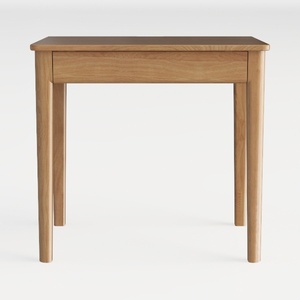

Minimalist Solid Oak Wood Single Drawer Side Table 3D Model
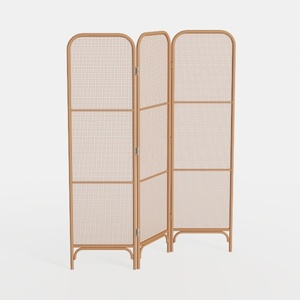
Minimalist Rattan Folding Room Divider Screen 3D Model
Homestyler is your go-to online home design platform! With its user-friendly design tool, stunning 3D renderings, diverse design projects, and helpful video tutorials, you can effortlessly create and visualize your dream spaces. Transform your home design experience today with Homestyler!
Progetta ora GRATIS
































