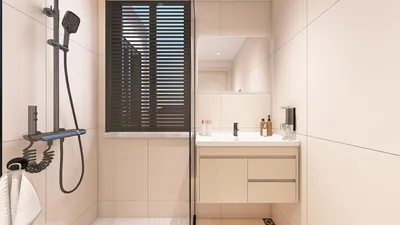


When designing compact kitchens, my primary focus is on lighting that enhances the perception of space while supporting day-to-day activities. The effective combination of ambient, task, and accent lighting in limited areas minimizes shadows, boosts safety, and enhances visual clarity. When executed properly, this approach transforms your cooking, cleaning, and gathering experiences substantially.
Research supports this lighting strategy. According to the WELL Building Standard (WELL v2), effective illumination minimizes discomfort glare, reducing eye strain and fatigue, which directly impacts the accuracy of tasks and overall well-being. The Illuminating Engineering Society (IES) suggests standard kitchen task illuminance levels of around 300–500 lux, with elevated illumination on essential prep surfaces to ensure safe cutting and accurate labeling. These insights ground design choices in performance rather than mere speculation.
The choice of color significantly affects how we perceive smaller kitchens. Studies in color psychology indicate that cooler white tones can create a cleaner and more open feel, while excessively warm and dim lighting can visually compress a space. For optimal results, I recommend aiming for 2700–3500K in dining areas and 3500–4000K on prep counters. This balance of warmth and clarity also helps to maintain controlled glare.
Layered Lighting: The Three Essentials
For small kitchens, a single overhead fixture is inadequate since it often fails to illuminate cabinets, corners, and countertops properly. I incorporate layered lighting strategies: ambient (general illumination), task (focused on working areas), and accent (adding depth and highlights). Ambient light is typically achieved through low-profile, high-CRI LED downlights or slim surface-mounted fixtures, task lighting is installed under cabinets with continuous LED strips, while accent lighting may consist of small pendants or toe-kick lights that enhance the room’s edges.
Effective Task Lighting Solutions
Under-cabinet lighting is essential. I recommend using continuous LED strips with diffusers to prevent shadows on backsplashes and reduce glare from glossy surfaces. Position the strips towards the front of the cabinets to ensure even light distribution across the countertop. Aim for at least 500 lux on prep areas, which generally requires 6–10 watts per linear foot for quality LED strips based on driver efficiency and diffuser specifications. Incorporate a dedicated switch or smart scene for boosting task lighting without overpowering the entire space.
Achieving Ambient Lighting Without Shadows
Relying on a single central dome fixture leads to harsh contrasts and shadow formations. A better approach is to spread the light distribution: utilizing two to four small LED downlights positioned near the room’s periphery helps to bounce softer light off the upper cabinets and walls, thereby lessening the contrast at eye level. Utilizing wide beam angles (80–100°) alongside high CRI (90+) ensures better color rendering for food and finishes. If the ceiling height is restricted, I suggest employing slim surface-mounted disk fixtures or linear LED flush mounts for even light dispersion without deep installation.
Adding Depth with Accent Lighting in Small Areas
In a compact kitchen, introducing one intentional accent feature is key: consider a small pendant above a mini island or LED lighting above open shelves, or toe-kick lighting that gives a floating effect to base cabinets. These subtle highlights create depth while making edges visible at night. Maintain modest lumens for accent lighting to avoid blinding focal points; clarity and softness are the objectives.
Managing Glare: An Essential Detail
In small kitchens, surfaces like quartz, glazed tiles, and stainless steel can reflect aggressively. I always specify fixtures with diffusers, baffles, or prismatic lenses to lessen the direct visibility of LEDs. Under-cabinet strips should be discreetly positioned behind a light rail; visibility of diodes can lead to harsh glare when seated or entering from a dim corridor. Following WELL recommendations, it is crucial to maintain a balance in luminance between task areas and surrounding surfaces to avoid eye strain.
Selecting the Right Color Temperature and CRI
For surfaces where precision is essential, select 3500–4000K, while 2700–3000K works well in dining sectors to enhance food’s appeal. High CRI (90+) is vital as it ensures that the colors of produce and proteins appear accurately, minimizing cooking errors. If your finishes lean toward cool tones (like gray cabinets or white quartz), a 3500K ambient base keeps the kitchen lively without a bluish tint; whereas, with warmer palettes (like oak or brass), 3000–3500K maintains comfort and clarity.
Smart Lighting Controls for Compact Kitchens
Creating distinct zones is vital. I typically establish three lighting scenes: Prep (high task light, medium ambient), Cleanup (high ambient, medium task), and Evening (low ambient, accent on). Dim-to-warm LEDs (transitioning from 3000–2000K) help create a softer glow at night without compromising visibility. Sensors can be a useful addition, but avoid overly aggressive auto-off settings that plunge the room into darkness unexpectedly.
Recommended Fixture Types
- Continuous diffusion LED strips for under-cabinet lighting with high CRI
- Low-profile linear flush mounts for ambient lighting in restricted ceilings
- 3–4 inch LED downlights featuring wide beam angles and deep baffles
- Small-scale pendants with matte or opal diffusers to mitigate hotspots
- Toe-kick LED tape for a gentle glow at night
Guidelines for Effective Placement
Position under-cabinet strips 1–2 inches behind the cabinet face to project light forward. Estimate downlight placement to be about 20–30 inches from walls to wash over upper cabinets and mitigate shoulder shadows. Ensure small pendants are centered 28–34 inches above counters to avoid visual obstruction. If you are reconsidering the kitchen layout to enhance sightlines, utilizing a quick room layout tool like Homestyler can aid in visualizing how lighting might change with different arrangements.
Understanding Reflectance and Finishes
Opt for satin countertops and matte backsplashes whenever feasible, as high gloss can significantly increase glare. Lighter cabinet interiors and backsplash tones effectively bounce light back onto the counters, enhancing overall brightness without requiring additional wattage. If you prefer stainless steel, go for brushed finishes over mirrored versions to control highlights.
Acoustics and Lighting Rhythm in Open Spaces
Kitchens that are opened to living areas can often have noise issues; utilizing absorbent materials like rugs, upholstered seating, or acoustic panels can alleviate this. Equally important is the rhythm created by lighting: establishing a visual cadence—ambient grids, task lines, and one accent point—allows the eyes to anticipate the environment. This predictability lessens cognitive overload, enabling you to work more efficiently in constrained spaces.
Prioritizing Energy Efficiency and Sustainability
LED lighting can significantly reduce energy consumption in kitchens, while high-quality drivers minimize maintenance issues. Opt for dimmable, flicker-free drivers characterized by low total harmonic distortion to prevent interference with kitchen appliances. If new lighting is planned before installing cabinets, strategize cable pathways and driver locations in areas that are easily accessible for future modifications instead of hiding them within fixed cabinetry.
Professional Standards and Guidance
I calibrate my designs in line with IES recommendations for task illumination and adhere to WELL v2 guidelines concerning glare and visual comfort. When clients question the value of investing in under-cabinet lighting, the evidence presents a clear picture: consistent task lighting enhances safety and decreases errors during intricate tasks. One valuable resource to reference is WELL v2 (Visual Lighting Design) and IES standards for illuminance categories.
For further insights on visual comfort criteria, visit the WELL v2 website. To review illuminance recommendations, refer to the IES standards.
Frequently Asked Questions
Q1: What’s the ideal brightness for countertops in a small kitchen?
A1: It’s advisable to aim for approximately 500 lux on prep surfaces to align with typical IES task guidelines. Continuous diffusion LED strips placed correctly usually achieve this objective.
Q2: Which color temperature can create a sense of spaciousness in a compact kitchen?
A2: Utilizing 3500–4000K lighting for task areas enhances clarity and expands visual boundaries, while 2700–3000K in dining zones introduces warmth without heaviness.
Q3: How can I minimize glare on shiny backsplash tiles?
A3: Implementing LED strips with diffusers helps immensely. Conceal them behind a light rail and angle the light outward. Additionally, matte or satin finishes can further reduce reflective glare.
Q4: Are small pendant lights a viable option in tight kitchens?
A4: Absolutely—just select opal or matte-diffused pendants with lower lumens. Install them 28–34 inches above the countertop and enable dimming for functionality without creating hotspots.
Q5: Is high CRI lighting necessary?
A5: Yes! A minimum CRI of 90+ is essential for accurate color representation in foods and finishes, enhancing both safety and aesthetics during meal preparation.
Q6: What’s the best way to position downlights in a small kitchen?
A6: It’s ideal to locate them near the perimeter, approximately 20–30 inches from the walls, to illuminate cabinets and minimize shoulder shadows. Wide beam trims enhance uniformity.
Q7: How should I configure my lighting controls?
A7: Establish three primary scenes—Prep, Cleanup, and Evening. Incorporating dim-to-warm options for nighttime use is helpful, and ensuring task lighting has individual controls allows for immediate brightness adjustments.
Q8: Can strategic lighting design alleviate narrow-feeling galley kitchens?
A8: Definitely! Washing both walls with ambient light, adding under-cabinet strips on each side, and utilizing toe-kick lighting elevates the base cabinets and enhances the room's depth.
Q9: Is under-cabinet puck lighting still a practical choice?
A9: In smaller kitchens, puck lights often create shadow gaps and uneven lighting. Continuous LED strips provide a smoother, more consistent illumination across work surfaces.
Q10: How can I balance warm and cool color temperatures effectively?
A10: Start with a warm base of 3000–3500K, pairing it with crisper task lighting at 3500–4000K. Maintaining a high CRI throughout your lighting choices, and adjusting dim levels as needed will enhance the atmosphere without sacrificing clarity.



Transform your home design dreams into reality with Homestyler! This user-friendly platform offers a powerful online design tool, stunning 3D renderings, and a wealth of inspiring design projects and video tutorials. Perfect for both novices and seasoned designers looking to elevate their space with creativity and ease.
Progetta ora GRATIS
































