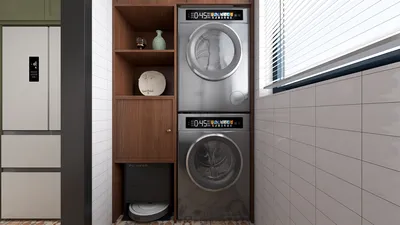


I often chuckle when I think back to the time I mistakenly hung a new panel door upside down due to my failure to label the panels — a rookie mistake that emphasized the importance of making quick sketches before cutting wood. Such minor errors serve as excellent teachers, and they clearly illustrate how smaller spaces demand more intelligent design choices.
1. Refresh with Slim Panels
A great way to update an old hollow core door is by refacing it with slender MDF or painted plywood panels. This method provides a solid appearance without the need to replace the entire frame. It's a cost-effective and quick solution; however, it does add some weight, so you might need to invest in sturdier hinges.
save pin
2. Incorporate Vertical Shiplap Strips
For a client seeking a coastal ambiance in a narrow hallway, I applied slim shiplap strips to the door and painted them a gentle white. This not only gave the door a bespoke vibe but also made it appear taller. Do remember that preparing the surface requires some patience, as glue and small nails are used to ensure the strips remain flat.
save pin
3. Achieve a Floating Panel Effect
One of my favorite techniques is routing a shallow rabbet and inserting a thinner floating panel, creating a luxurious appearance without intricate joinery. This method is ideal for those desiring the charm of a traditional panel door while saving both time and money on construction. Just make sure to allocate some budget for finishing touches and use quality sealant to conceal any gaps — also check the swing of your door and the cabinet fit, especially if it is adjacent to built-ins.
save pin
4. Painting Techniques: Two-Tone Finishes
Using a two-tone paint scheme with a darker inset and lighter rails can create a depth effect that emulates classic paneled doors. This simple trick can give the appearance of costlier designs; however, achieving it requires precise taping and sanding between coats to ensure a flawless finish. The increased curb appeal is well worth the effort.
save pin
5. Substitute Panels with Glass or Mirror
Replacing a panel with frosted glass or a thin mirror can open up a small area and introduce more light. This approach is particularly effective in bathrooms and closets — just ensure you use tempered glass and the right glazing methods. Additionally, you can utilize tools like Homestyler to preview the outcome in 3D, allowing clients to visualize the new door before committing.
save pin
FAQ
Q1: What materials are best for DIY panel doors?
An effective combination includes using MDF for painted panels, while plywood works well for stained finishes. Solid wood looks stunning but tends to be heavier and costlier. MDF is easy to sand smooth and paint, while plywood showcases natural grain beautifully.
Q2: How much does a DIY panel door project typically cost?
Basic refacing or panel addition projects generally range from $50 to $200 for materials. In contrast, complete solid-wood constructions may cost anywhere from $200 to $600, depending on the choice of hardware and finishing. Your local lumber prices and whether you choose prehung hardware can also influence this estimate.
Q3: How long does it take to refinish or reface a door?
Simple tasks like refacing or painting can often be completed over a weekend. However, more intricate projects involving routed panels, glazing, or glass inserts may take several days due to drying times and finishing processes. Allowing patience between coats considerably enhances the final appearance.
Q4: Can a hollow core door be converted to a panel door?
Certainly — you can enhance a hollow core door by adding outer skins, battens, or thin panels to achieve the look of a solid panel door without the need for a full replacement. Just bear in mind that it may not deliver the same acoustic or weight properties as a true solid door, so it's wise to use robust hinges for installation.
Q5: Do I need special tools to construct panel doors?
Basic DIY panel door projects require a circular saw, jigsaw, router (for creating profiles), sanders, clamps, and a drill. If purchasing routers and tables is beyond your budget, you can consider renting them. Investing in clamps and measuring tools is a good idea for accuracy in your work.
Q6: Are there safety considerations when adding glass panels?
Yes — any interior glass that may be exposed to impact should meet building safety requirements and be tempered or laminated. For bathrooms, privacy glass is often a necessity. Always check local building codes if you have any uncertainties.
Q7: Where can I find reliable plans or tutorials?
I frequently refer to trusted resources such as This Old House for various door types and step-by-step guides; their articles offer practical and detailed information for DIY enthusiasts (visit: https://www.thisoldhouse.com/doors/21017913/types-of-doors).
Q8: Should I go for paint or stain on a new panel door?
Opting for paint conceals imperfections, making it ideal for MDF or contemporary doors; on the other hand, stain accentuates wood grain and lends a timeless appeal to plywood or solid wood. Always consider the moisture levels in the room when choosing your finish.
Homestyler is the ultimate online home design platform for anyone looking to create stunning spaces. With its user-friendly design tool, impressive 3D renderings, and a wealth of DIY video tutorials, you can effortlessly explore and implement your design ideas. Transform your home with ease!
지금 무료로 디자인하세요
































