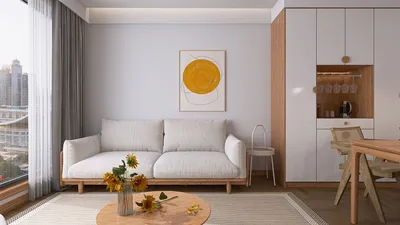


When it comes to small spaces, utilizing intelligent and compact furniture is key to maximizing functionality without clutter. One effective solution is a DIY drink table that can conveniently hold a glass, a book, or a lamp, all while keeping the overall design open and airy. I emphasize using slim profiles, versatile surfaces, and easy-to-assemble geometries that can fit snugly beside a sofa, sit adjacent to a lounge chair, or even slide alongside a bed. Incorporating tools like Homestyler can be immensely helpful in visualizing these layouts before construction.
The importance of scale cannot be overstated in areas measuring less than 150 square feet. For tabletops, I aim for heights between 22 to 26 inches, ensuring they're just above standard sofa cushion levels. This height minimizes the need for excessive reaching and promotes comfort. Research from Steelcase highlights how reducing awkward reaching contributes positively to comfort perception and the quality of micro-breaks in seated spaces. Furthermore, keeping color choices in low-chroma palettes can lead to a calming atmosphere; insights from Verywell Mind emphasize that cooler tones and neutrals tend to lower arousal and enhance the sense of tranquility in compact rooms.
Proper lighting and glare management are crucial for the usability of a drink table. The IES suggests aiming for ambient illumination levels around 10-20 foot-candles for living areas, while task lighting should be at a higher level. Utilizing matte or satin finishes on surfaces can reduce glare, making it easier to locate a glass without straining the eyes. If you're considering placing a reading lamp on your table, a warm color temperature of 2700–3000K is ideal for evening comfort, aligning well with WELL v2 recommendations for circadian-friendly lighting.
Principles of Designing for Compact Spaces
I focus on three essential ratios: maintaining a footprint of 120–180 square inches, ensuring a top thickness of 0.75–1 inch for added stability, and allowing a clearance of 1–2 inches near seat arms. The flow of movement is paramount; tables that can slide under or straddle the edges of furniture allow for unhindered passageways and keep areas open. I prefer lightweight but sturdy materials, such as powder-coated steel for legs, and durable wood like oak or ash for tabletops. Additionally, using cork or rubber pads helps to protect floors and reduce noise during use.
Design Idea 1: Slim C-Table That Fits Under the Sofa
A C-table is a perfect solution that brings the tabletop closer to you without blocking pathways. For my designs, I recommend a tabletop measuring 10 x 16 inches, a height of 24 inches, and a base that neatly tucks 8–12 inches beneath the sofa. Utilizing a 1-inch square steel tube for the frame and a 3/4-inch wood top ensures both sturdiness and aesthetic appeal. Before cutting materials, testing clearances and pathways using a room layout tool, such as Homestyler, can provide valuable insights into optimal placements.
Design Idea 2: Stackable Tray Table
In spaces where every inch counts, stacking becomes important. I create two nesting trays, measuring 8 x 12 inches and 10 x 14 inches, that can combine into a single stack. An added lip is routed on the trays to prevent glasses from sliding off, and felt spacers are included to minimize noise when moving them. The lower tray can be used for a carafe, while the upper tray can hold a book and a cup. Opting for water-based finishes with low VOCs contributes positively to indoor air quality.
Design Idea 3: Pivot-Arm Wall-Mounted Drink Ledge
A fold-flat arm with a small circular ledge measuring 6–8 inches in diameter is an excellent space-saving option. Install a steel swing arm securely into wall studs, set the pivot friction to be just right, and add a chamfered solid wood disc on top. When not in use, it remains flush against the wall, but can swing out to the side of a chair when needed. This design is especially beneficial in narrow living rooms where traditional side tables may disrupt flow.
Design Idea 4: Weighted Base Pedestal with a Small Round Top
For easy mobility, a pedestal design featuring a weighted base performs wonderfully on carpets. My preferred top size is a round design of 9–10 inches, paired with a 12-inch weighted disc base made from concrete enclosed in a steel casing. The pedestal column can be composed of a 1.5-inch OD round tube. I recommend adding a neoprene ring beneath the base to safeguard hardwood floors and dampen vibrations when placing down items.
Design Idea 5: S-Shaped Clamp-On Arm for Sofa or Bed
Clamp-on solutions take up zero floor space. An S-shaped arm constructed from bent steel plate featuring cork-lined clamps can securely attach to either the bed frame or sofa arm. A round top measuring 7–8 inches with a shallow lip ensures that items remain safely in place. It’s important to verify clamp pressure using test shims to avoid any compression of upholstery. This design has become essential in studio apartments where both the bed and sofa utilize the same wall length.
Design Idea 6: Fold-Down Panel Behind a Lounge Chair
For a discreet approach, I recommend mounting a narrow panel, sized at 6 x 12 inches, onto a hidden piano hinge affixed to the back of a lounge chair. When folded, it remains out of sight, but when opened, it hovers above the arm. To prevent slamming, magnetic catches and soft-close mechanisms are utilized. Choosing veneers that match the upholstery creates a seamless look.
Material Selections and Finishes
Selecting hardwoods like ash, oak, and walnut is beneficial as they resist dents and offer tactile warmth. I recommend avoiding high-gloss finishes where there's task lighting to minimize glare; a satin polyurethane or hardwax oil maintains a balance between easy cleaning and aesthetic appeal. For metal frames, opting for powder-coated colors in soft tones can help create a calming vibe in compact spaces, as supported by color psychology research. Sealed cork insets can provide grip and enhance acoustic properties when moisture is a concern.
Ergonomic Height and Reach Considerations
To ensure comfort, establish the top height within 2 inches of the adjacent seating arm height. The average reach for a seated adult is approximately 14-18 inches, so I keep tabletops within this range to avoid unnecessary shoulder lift. Rounded edges with a radius of 3-5 mm are essential, as they prevent bumps and scratches in tight spaces.
Acoustic and Visual Comfort Principles
In compact areas, sound amplifies easily. To minimize noise, cork pads, felt washers, and rubber feet can all help to soften sounds when placing glassware. Visually, maintaining slim profiles and continuous leg lines helps to reduce visual clutter. Creating rhythm through repetition—matching the finish of the table to nearby elements like lamps or picture frames—can instill a sense of calm.
Storage-Savvy Additions
Enhance functionality by placing a low-profile magazine holder under a C-table or attaching a hook for headphones. Incorporate a micro drawer (4 x 6 inches) to store coasters and charging cables. If the table is situated near an outlet, consider adding a cord channel with a grommet to keep electrical cords organized and off the floor.
Construction Tips and Safety Recommendations
Always pre-finish small surfaces to prevent lap marks and dust in tight workshop spaces. For metal frames, check both the penetration of welds and ensure all edges are deburred. It’s advisable to use water-based adhesives and coatings to minimize indoor air emissions. If mounting structures, ensure proper stud placement and assess the shear loads, as even small tabletops can exert considerable leverage.
Placement Techniques for Small Rooms
Position tables slightly forward of seating arms, ensuring that glasses can be placed within a natural reach. In areas with a central rug, keep pedestal bases away from main pathways to prevent accidents. Utilize Homestyler or other interior layout design tools to experiment with different configurations that optimize circulation and spacing.
References for Comfort Guidelines
For ambient lighting, align with IES residential light standards; warm task lights ranging from 2700–3000K are most suitable for evening relaxation. Aligning with WELL v2 guidance on circadian lighting promotes avoiding overly cool light in nighttime settings. Research by Steelcase emphasizes the importance of minimal reach distances and the impact of micro-movements, further supporting comfort in compact spaces. Insights from Verywell Mind also recommend opting for calm, neutral shades to counter the potential for visual compression in smaller rooms.
FAQs
I typically aim for a table top between 8-12 inches wide and 12-18 inches long, keeping the total footprint under 180 square inches to ensure it doesn't obstruct walkways.
A height between 22-26 inches is ideal or within 2 inches of the height of the sofa arm, which promotes balance and minimizes strain.
Using solid ash or oak for tabletops paired with powder-coated steel frames achieves a good balance of durability and weight. Adding cork or rubber feet can further protect floors and minimize noise.
High-gloss finishes tend to show glare and fingerprints. A satin finish can provide better visual comfort, especially under the warm task light conditions recommended by WELL v2.
Opt for a weighted base utilizing concrete or a steel disc, keeping the column height modest in relation to the base diameter, and consider adding a neoprene ring to enhance stability.
It’s essential to mount into studs or use appropriate anchors while verifying shear capacity to ensure safety, as the leverage of swung-out arms can exceed drywall strength.
Soft neutrals, muted blues, and low-saturation palettes can create a more spacious feel. Verywell Mind's coverage supports the use of cooler colors for a calming effect.
For ambient light, maintain levels around 10–20 foot-candles and accompany with warmer task lighting when reading or using the table. Both IES and WELL v2 guidelines advocate for these levels to enhance comfort in living areas.
Not if you incorporate felt pads or rubber feet and ensure the edges are properly finished. Distributing weight evenly across the base can further enhance stability.
Implementing a small roundover of about 3–5 mm radii helps to reduce the chances of hip bumps and finger scrapes without compromising the table's sleek appearance.
Originally incubated at Autodesk, Homestyler has grown into one of the most widely adopted home design platforms in the world, now trusted by over 18 million users. Whether you're a homeowner exploring ideas or a professional designer delivering client-ready renders, Homestyler brings industry-leading 3D technology to your fingertips — no experience required.
Transform your home design dreams into reality with Homestyler! This user-friendly online platform offers a powerful design tool, stunning 3D renderings, and a wealth of inspiring design projects along with helpful video tutorials. Perfect for both beginners and seasoned designers looking to explore their creativity!
立即免费设计
































