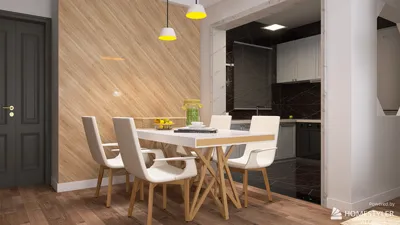


I once encountered a client who wanted to fit a full island, a three-seat sofa, and a dining table in a space as cramped as a shoebox — I still chuckle at the expression on my tape measure. My initial strategy was to accurately map out the area and test a few clearances before finalizing any design — that honest sketch saved us a lot of money down the line.
Compact spaces compel you to make choices, often leading to more intelligent and creative solutions. In this article, I will share five ideas that I frequently apply to tiny open-plan kitchen and living areas, addressing genuine advantages, common challenges, and practical budget tips.
1. Use a slim island or breakfast bar as a zone divider
I have a soft spot for a sleek island — it establishes a division without enclosing the kitchen. A peninsula with a depth of 40–60cm that includes storage underneath provides prep space, a casual dining area, and maintains an open sightline, making the apartment appear larger.
Advantages include additional storage and seating, along with distinct visual zoning. However, circulation is crucial: ensure there is at least 90cm behind the stools, or consider a mobile island for added flexibility.
2. Select multi-functional furniture and hidden storage options
In tight layouts, I often recommend sofas with built-in storage, nesting coffee tables, and foldable dining tables that can be tucked against the wall. In one project, I designed a client’s living area where the TV console also served as pantry overflow — ingenious connections save both space and costs.
While it may not have the luxury of marble everywhere, multi-functional pieces offer the best value for every square meter. Think about customized cabinetry for awkward corners — it may require an upfront investment but pays off in functionality.
3. Maintain uninterrupted sightlines with continuous cabinetry
Extending kitchen cabinetry to the ceiling and carrying the same finish into the living area creates a seamless visual flow that expands the perception of space. When clients need to grasp proportions, I encourage them to envision the layout in 3D — visualizing light and shadow clarifies decisions effortlessly.
Benefit: a serene and less cluttered appearance that feels more spacious. Small challenge: tall cabinets require meticulous planning for accessibility — incorporate some open shelves for daily-use items.
4. Experiment with lighting, reflections, and floor consistency
Lighting is one of my favorite tricks: using layered lighting (pendant lights, task lights, and warm ambient LEDs) adds depth. A mirrored or glossy backsplash and consistent flooring between areas tricks the eye into perceiving the space as larger.
Pros: a dramatic perception of expansion with minimal renovation. Cons: reflective surfaces can reveal fingerprints — if you have children, opt for a textured, low-profile tile instead.
5. Define zones with rugs and open shelving, while optimizing appliances
A rug placed under the living area anchors the seating and distinguishes it from the kitchen without any permanent structures. Open shelving above the kitchen maintains an airy feel, while closed cabinets can hide dishes and clutter.
When planning for appliances, consider compact or integrated models and think about a smart kitchen design that positions the sink, stove, and fridge in a tight, efficient triangle. It requires balance: while open shelves look appealing, they demand organization to prevent a cluttered appearance.
FAQ
Q: What’s the minimum width for an open-plan kitchen and living room to feel comfortable?
A: Comfort relies on circulation. Aim for at least 2.7–3.0 meters to accommodate a workable single-wall kitchen combined with a living area; narrower spaces necessitate careful planning of furniture depths and pathways.
Q: Can an island function in a very small open plan?
A: Yes, if it’s slim (40–60cm deep) or mobile. A narrow peninsula can serve both as a prep area and a casual dining spot without obstructing sightlines.
Q: Should the same flooring be used throughout?
A: Generally yes — uniform flooring creates a visual flow, making the entire area appear larger. If you desire distinct zones, subtle changes, such as a rug or a shift in orientation work effectively.
Q: How can I conceal kitchen clutter in an open-plan space?
A: Focus on closed storage for daily items and reserve open shelves for curated displays. Concealed drawers, appliance garages, and tall pantry units are lifesavers.
Q: What lighting strategy is most effective?
A: Layered lighting is essential: task lights for countertops, warm ambient lights for the living area, and a feature pendant to center the dining or island space. Dimmers enable you to adjust the atmosphere.
Q: How much clearance is necessary between counters and islands?
A: For a single-cook kitchen, at least 90cm (36 inches) is standard; for multiple cooks, 107–112cm (42–44 inches) is more comfortable. The National Kitchen & Bath Association (NKBA) provides detailed clearance recommendations (see nkba.org).
Q: Are open shelves advisable in small spaces?
A: They visually expand the room and keep frequently used items within reach, but they require tidiness. Combine with closed storage to avoid a chronically cluttered appearance.
Q: What is a budget-friendly priority for a tiny open plan?
A: Prioritize a clever layout and intelligent storage first — well-thought-out planning trumps expensive finishes. Simple adjustments like paint, lighting changes, and smart furniture can rejuvenate the area quickly and economically.
save pin
Homestyler is an exceptional online home design platform perfect for anyone looking to create their dream space. With its user-friendly design tool, stunning 3D renderings, a wealth of inspiring design projects, and helpful DIY video tutorials, you'll effortlessly bring your ideas to life.
Concevez maintenant gratuitement
































