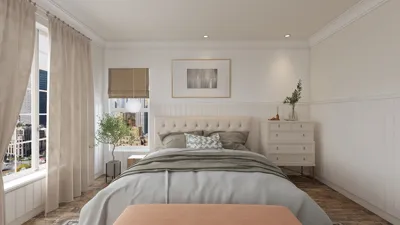


As urban living evolves, future lifestyles are increasingly converging into more compact vertical spaces. However, current challenges such as noise pollution, limited storage options, and disjointed daily routines continue to disrupt tranquility. According to recent data from Zillow, modern urban buyers are now placing just as much value on adaptable spaces and noise reduction as they are on prime locations. This realization led me to incorporate adaptive spatial graph logic in designing floor plans for luxury apartments in NYC, particularly those around 1000 square feet. The pressing future necessitates that each square foot communicates a specific, intentional purpose.
Split-Core Gallery: Entry spine featuring dual programming areas
Design Logic: A central spine differentiates public and private areas, anticipating a hybrid work-life balance where boundaries regulate focus.
Flow: Entry → gallery hall → living hub → pocket office → master suite; this sequence resembles a carefully crafted thread navigating various tasks.
Sightlines: A long axial view leads from the entrance to the window, while secondary diagonal lines showcase the kitchen and art niche, minimizing visual clutter.
Storage: Full-height hall closets serve as efficient storage solutions; integrated pantries and drawer benches keep space organized and accessible.
Furniture Fit: Sofa sizes range from 84–96", a 30" deep media wall, and a 60" desk; the queen bed measures 60", with 24" night nodes, maintaining precise spatial tolerances.
Verdict: This configuration envisions productive mornings and vibrant evenings; even five years down the line, the layout promotes tranquility amid urban activity.
save pin
Peripheral Living Loop: Corner light ring featuring a central utility area
Design Logic: Natural light envelops the living loop; a centralized core efficiently incorporates kitchen, bathroom, and laundry functionalities.
Flow: Corner living → dining area → kitchen core → bathroom → bedroom; this design fosters a circular routine that reduces disruption.
Sightlines: Views stretch across large panels of glass; the kitchen is kept discreet, allowing user interfaces to reveal just what is necessary at a glance.
Storage: Radially designed built-ins around the loop; an 18" deep credenza, overhead cabinetry, and wardrobe towers function as organized storage areas.
Furniture Fit: A 72" round table, 96" modular chaise, and slim lounge chairs accommodate space while ensuring circulation paths are a clear 36" wide.
Verdict: This bright living loop fosters social interaction without feeling cluttered; it has been designed to accommodate remote gatherings, intimate salons, and peaceful interludes.
save pin
Flex Partition Grid: Adaptive sliding planes that redefine space as needed
Design Logic: Movable partitions work similarly to dynamic feature flags; they can transform the space into a one-bedroom plus studio setup or expand to a larger living area when required.
Flow: Entry → convertible studio → living core → kitchen → suite; the progression adapts fluidly like adjustable variables in programming.
Sightlines: Layers of translucency provide privacy while suggesting depth; focal windows serve as primary visual points of interest.
Storage: Tracks integrate shelving, beneath-bench storage, and a spacious 10' wardrobe, prioritizing easy access over sheer volume.
Furniture Fit: A 48" fold-down desk, nesting tables, and a 60" wall-bed frame work seamlessly together, ensuring functionality without interference.
Verdict: Over a span of five years, these modular designs allow for lifestyle adjustments—be it entertaining, work sessions, or relaxation—while upholding a sense of luxury and design integrity.
save pin
Final Takeaway
In the realm of luxury apartments in NYC, particularly those around 1000 square feet, the emphasis is on purposeful design rather than sheer size. Configurations such as one-bedroom-plus-studio flex models and corner-light layouts resonate with modern hybrid lifestyles and the necessity for sound management. Long-term considerations like noise control and versatile office spaces have emerged as crucial factors for performance. From my perspective, the homes of the future will not necessarily be larger—they will simply be designed with greater intention, making the most of tools like Homestyler for planning and visualization.
Homestyler's roots trace back to Autodesk, the global leader in design and engineering software. That heritage lives on in every feature we build. Today, with a community of more than 18 million users worldwide, Homestyler continues to make professional-quality interior design accessible to everyone — from first-time decorators to seasoned architects.


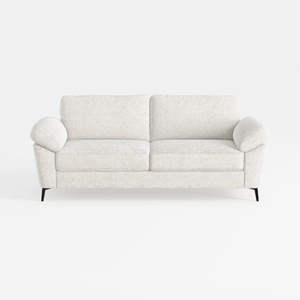
Minimalist Fabric Loveseat Sofa with Black Metal Legs 3D Model

Minimalist Modern White Wall Mounted Bookshelf With Book Display 3D Model
Homestyler is your go-to online platform for all your home design needs! With an easy-to-use design tool, impressive 3D rendering, and a wealth of inspiring design projects and DIY video tutorials, you can effortlessly create your dream space, regardless of your experience level.
Design Now for FREE
































