


For over ten years, I’ve guided clients in creating compact homes that abide by strict budgets. The essential components of success remain consistent: streamline the design, appropriately size the structure, and focus investments where they will yield the best performance. The aim is not minimalism, but instead, a smartly designed space. A thoughtfully crafted home of 500 to 900 square feet can feel expansive with proper ratios, abundant natural light, and flexible zones. Utilizing tools like Homestyler can aid in visualizing this space effectively.
Research supports this approach. Effective use of space correlates with cognitive well-being and performance improvements. Steelcase's findings indicate that environments fostering focus and control enhance both life quality and productivity; similarly, these concepts hold at home, where versatile rooms streamline daily activities. For effective lighting, standards suggest maintaining about 200 to 300 lux for general ambience and reaching up to 500 lux in task areas—achievable affordably through layering LED lights and optimizing daylight. Furthermore, WELL v2 guidelines stress the importance of glare reduction and high CRI lighting, which can be realized without exceeding budgets through selective fixture use and installation strategies.
Selecting colors wisely can be both cost-effective and impactful. According to Verywell Mind, shades of blue and green commonly promote tranquility and focus, while warm neutral tones can enhance the cozy feeling of small spaces. These choices can visually increase the ambiance of compact rooms. To aid in planning and layout before construction, utilizing a room layout tool can assist in evaluating circulation patterns, ensuring ample space for furniture and storage to prevent costly onsite changes. Homestyler serves as an excellent resource for such planning.
Establish a Lean Program and Prioritize Essentials
Begin by distinguishing between essentials and extras. A compact dwelling can quickly become expensive if it attempts to serve too many purposes at once. Maintain a minimalist program: one adaptable living space, one bedroom (or loft), one bathroom, a small kitchen, and integrated storage. Plan for multifaceted functionality: for instance, a dining table can double as a workspace, or a media wall can conceal fold-down desks. I usually follow a 60/40 rule—60% of the area for communal activities and 40% dedicated to privacy—to ensure that the core living area remains comfortable.
Opt for a Simple Structural System
Costs significantly decrease when the structural design is straightforward. Designs with rectangular shapes, standard spans, and repeatable modules help reduce both labor and waste. In most regions, using wood framing with a simple gabled or shed roof is more economical and efficient than more complex designs. Maintaining consistent roof pitches and aligning windows with studs minimizes the need for headers. Avoid protrusions that complicate the thermal dynamics and framing. My designs revolve around material modules—such as 4 ft sheathing and 8 ft studs—to limit cuts and excess material waste.
Appropriately Size the Structure
With each square foot being a financial decision, many first-time builds find their ideal space between 600 to 800 square feet, provided local regulations and land limitations permit. Instead of enlarging the area, enhance perceived space: elevate ceilings to between 9 to 10 ft in common areas, adopt continuous daylight strategies, and keep lines of sight open throughout the layout. Limit the building depth to 24 to 28 feet to ensure efficient ductwork, electrical runs, and ventilation. Compact designs can also lead to reduced foundation costs—consider using a slab-on-grade or pier foundation where it’s feasible.
Design for Daylight, Task Lighting, and Glare Control
Starting with natural light is the key to affordable lighting solutions. Focus on the south and east sides of the home, use appropriately sized overhangs to regulate heat gain, and orient windows to reflect indirect light off light-colored ceilings. For artificial illumination, implement a layering approach: ambient lighting (200 to 300 lux), task lighting (up to 500 lux on work surfaces), and accent lighting for vertical surfaces to create a sense of height in the rooms. For living and bedroom areas, choose LED lights in the 2700 to 3000K range for warmth, while kitchens and work areas benefit from 3500 to 4000K lighting. Managing glare is essential—opt for matte finishes, shielded fixtures, and indirect wall washing techniques.
Compact Kitchens and Bathrooms That Feel Generous
An efficient small kitchen can be designed using a single-wall or L-shaped layout, featuring 24-inch deep counters and a 24-inch range. Keep the working triangle tight—5 to 7 ft between the sink and cooktop—while including pull-out pantries and cabinets that extend to the ceiling. In bathrooms, a 30-inch vanity paired with a 36 by 60-inch tub/shower combo optimizes space. Laying large-format tiles on floors and walls reduces grout visibility while creating an impression of spaciousness. Favor durable mid-range fixtures over flashy finishes; practicality and longevity take precedence.
Architectural Storage Solutions
Built-in storage is the secret to maximizing smaller homes. Incorporate storage seamlessly into wall thicknesses: recessed shelving between studs, toe-kick drawers, and hidden compartments in stair risers. Continuous cabinetry along one wall promotes visual order and conceals clutter. I aim for a minimum of 12-15% of the floor area to be allocated as dedicated storage (including closets), as a well-organized environment creates a larger feeling and lessens the inclination to expand.
Material Choices: Economical, Durable, and Sustainable
Expand your budget by selecting materials that strike a balance between affordability, durability, and ecological impact. Options like engineered wood flooring or high-quality vinyl planks withstand moisture and traffic without driving up costs. For surfaces, laminate and compact quartz provide clean aesthetics and lasting quality. Whenever possible, choose low-VOC paints to enhance indoor air quality. Also, sourcing materials locally can minimize transport costs and utilize familiar installation practices.
Achieving Acoustic Comfort on a Budget
Compact homes can amplify sound. Utilizing soft materials and effective zoning can assist: area rugs, upholstered furniture, acoustic panels placed behind art, and solid-core doors for bedrooms. In open-concept designs, separate louder areas (like kitchens and entries) from quieter locations (like living rooms and study spaces) using a poche wall—this extra mass aids in sound absorption. Keep mechanical systems away from bedrooms and incorporate vibration-dampening pads under appliances.
Prioritizing Ergonomics and Human Factors
Incorporating good ergonomics involves minimal costs yet yields daily benefits. Ensure at least 36 inches of clearance in kitchens, 30 to 36 inches around beds, and 42 inches in main traffic areas. Set switches to 42-48 inches in height, outlets at 16-18 inches, and select handles that are easy to grip. For work areas, a seated surface at 28-30 inches with appropriate task lighting and elbow space is crucial. If a loft is part of the design, ensure that stair dimensions and headroom comply with local codes, and only consider alternating tread stairs where safe and permitted.
Passive Energy Gains: Orientation, Insulation, and Airtight Design
Reducing energy expenses begins at the design phase. Smartly orient windows to capture winter sunlight and provide shade during summer, insulate beyond just the minimum code requirements whenever the budget allows, and prioritize airtightness. Simple methods like continuous air barriers, taped sheathing seams, and gasketed outlets can help eliminate drafts. A smaller envelope heightens these advantages, meaning even modest enhancements can lead to significant energy savings.
Mechanical Systems Tailored to Scale
Right-sizing HVAC systems is essential. Overly large systems cycle too frequently and lead to wasted resources. For compact dwellings, ductless mini-splits or small heat pumps deliver efficient heating and cooling with minimal infrastructure needs. Coupling these with smart thermostats and ceiling fans improves air distribution. In wet areas, dedicated exhaust fans with backdraft dampers effectively regulate indoor air quality.
Flexible Furnishings and Visual Composition
Select furniture that is designed to fold, stack, and shift according to need. Incorporate varying heights to draw the eye upward—thus, low sofas paired with tall shelves create an illusion of space—and coordinate wall designs with vertical patterns to enhance perceived width. Light, matte surfaces help reflect light gently; using darker accent walls strategically can create cozy niches that make larger areas feel grand. A guiding principle of color psychology I recommend involves two calming base tones paired with a single energizing accent to be applied judiciously in high-traffic zones.
Plan Before You Build
Employ digital tools to model layouts and avoid expensive alterations during construction. An uncomplicated interior layout planner or a room design visualization tool like Homestyler allows users to simulate clearance tests, evaluate furniture dimensions, and verify storage capacities. Create scaled plans, mark them on the floor using tape, and confirm that movement space feels intuitive.
Cost-Management Strategies That Contribute to Success
- Simplify geometries: fewer corners and custom details lead to lower costs.
- Standardize window sizes: consistent openings reduce ordering complexity.
- Purchase materials in bulk and arrange for scheduled deliveries to prevent storage damage.
- Stagger finish installations: focus on high-use items (like floors and hardware) and upgrade decorative elements later.
- Perform DIY work where possible: painting, landscaping, and straightforward millwork can be manageable with time and effort.
- Maintain thorough documentation: precise drawings curb onsite improvisation that could inflate expenses.
Frequently Asked Questions
I’ve crafted comfortable living spaces sized between 450 to 900 square feet. Living in under 500 square feet demands more multifunctional furniture and built-ins, but with adequate light and organized storage, it can suit one or two individuals seamlessly.
Aim for ambient lighting around 200 to 300 lux, with task areas reaching up to about 500 lux, consistent with IES recommendations. Utilize low-cost LEDs, dimmers, and indirect lighting solutions to minimize glare and enhance comfort.
Absolutely. Shades of blue and green tend to create a calming atmosphere and expand perceived space, while warm neutral tones can enhance the coziness of corners. Using lightly colored ceilings alongside softly contrasting walls can help elevate a room's volume without additional expenses.
Lofts create additional usable space for sleeping or storage without increasing the building's footprint. Just ensure that stair designs comply with local safety codes and offer sufficient headroom and consider incorporating soundproofing measures.
Utilize stick-framed designs with straightforward gable or shed roofs. Ensure proper alignment of openings with stud spacings, steer clear of complex corners, and base designs around 4-foot modules to limit material waste.
Employ soft textiles, solid-core doors, and built-ins to create mass that absorbs sound. Separate louder spaces, like kitchens and entryways, from quieter areas to enhance comfort. Keep mechanical systems out of sleeping spaces and utilize vibration-dampening pads under appliances.
Consider using engineered wood or premium-quality vinyl planks for flooring; laminate or compact quartz are ideal for countertops; and opt for low-VOC paints to improve indoor air quality. Sourcing materials locally when possible will save on delivery costs and support community practices.
Use layout tools to prototype space configurations and test for clearances and zoning. Mark floor plans at scale to facilitate proper circulation paths and ensure that furniture layouts are workable before construction begins.
Ductless mini-splits or compact heat pumps should be appropriately sized to meet real load demands. Pair these systems with ceiling fans and smart thermostats to maintain efficient comfort throughout the home.
Invest in enhancing your envelope's performance (with insulation and airtightness), durable flooring choices, and strategically positioned lighting. Save costs by minimizing intricate geometries and deferring high-end decorative finishes.
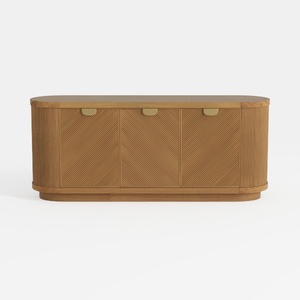
Modern Minimalist Solid Wood Fluted Sideboard with Brass Accents 3D Model
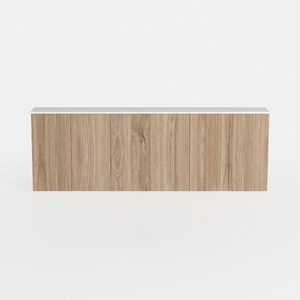
Minimalist Solid Oak Wood Wall Mounted Cabinet 3D Model

Industrial Solid Wood Metal Round Dining Table 3D Model
Homestyler is your go-to online home design platform, perfect for all skill levels. With its user-friendly design tool, stunning 3D renderings, rich library of design projects, and helpful DIY video tutorials, you can effortlessly transform your interior spaces and unleash your creativity!
Projete agora para LIVRE
































