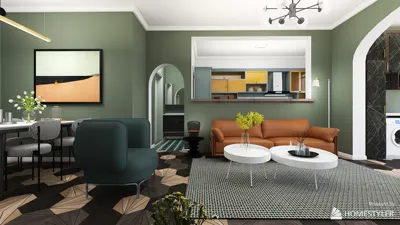


There was a time when I almost persuaded a client to adorn their compact shower with striking floor-to-ceiling dark marble. While the result would have been visually stunning, it would have restricted natural light and exceeded the budget. This experience highlighted that innovation is crucial in small bathrooms, demonstrating how subtle panelling can convert a limited area into a serene and intelligent design. For immediate enhancements, I frequently guide clients to explore bathroom panel inspirations that help visualize various finishes prior to any demolition.
1. Timeless beadboard or tongue-and-groove
Beadboard is one of my favorites because it instantly adds charm and a breathable feel rather than a heavy look. It's ideal to use up to chair-rail height, protecting the walls while introducing warmth; however, it's essential to select a moisture-resistant finish or paint to prevent swelling over time.
2. Moisture-resistant PVC or composite panels
When dealing with moisture concerns, vinyl or composite panels excel in durability and low maintenance. They can effectively imitate tile or wood and are quick to install, though budget-friendly options may appear plasticky upon closer inspection — I suggest mid-range panels for an optimal blend of aesthetics and longevity.
save pin
3. Vertical slat or ribbed panels for an elongated appearance
Installing slim vertical slats can visually elevate low ceilings while providing a contemporary rhythm for compact bathrooms. I often utilize 3D sketches to demonstrate this effect to clients — using light colors can enhance perceived height, while darker shades can create drama, albeit making the space feel smaller.
For clients seeking a realistic preview, employing 3D floor visuals through platforms like Homestyler allows me to quickly test color combinations and lighting without any physical alterations.
save pin
4. Half-height panelling with tile above
This hybrid design approach offers the tactile appeal of wood or MDF panelling below and the water-resistant benefits of tile above the shower line. Although it does require slightly higher costs and careful coordination at the trim joints, it's a favored method for blending aesthetics with functionality in small bathrooms.
save pin
5. Reflective or lacquered panels to enhance brightness
In extremely small layouts, glossy lacquered surfaces or mirrored sections can reflect light and create the illusion of a larger space. While they do display fingerprints and require frequent maintenance, careful placement of mirrors avoids awkward reflections, providing immediate spatial benefits.
If you're interested in merging technology with interior design, I've begun exploring AI-driven tools for generating quick layout ideas and surface combinations — a valuable approach for rapidly iterating on challenging small bathroom designs.
save pin
FAQ
Q1: What is the most suitable panelling material for a compact wet bathroom?
I typically recommend moisture-resistant PVC or composite panels for the wet areas and paint-grade beadboard for the rest. They offer a good balance of low maintenance, affordability, and aesthetic appeal.
Q2: Can I install wall panelling on my own?
Certainly! Many panels are designed for DIY installation and can easily click together; just ensure that the walls are flat and use moisture-rated adhesives. For complicated corners or wet spaces, hiring a professional can minimize the risk of rework.
Q3: How high should I install bathroom panelling?
Half-height panels (around 1.1–1.2 meters) are both classic and practical; extending to 2 meters or full height can introduce visual drama but may incur additional costs. My decision is influenced by the shower design, window height, and the amount of maintenance the client is prepared to manage.
Q4: Are wooden panels unsuitable for bathrooms?
Solid wood may swell in high humidity unless adequately sealed; engineered or treated options can mimic the look while providing enhanced stability. I will only utilize real wood if excellent ventilation is available and the finish is of industrial-grade quality.
Q5: How should I clean and maintain bathroom panels?
Most waterproof panels can be wiped clean using a mild detergent; lacquered surfaces tend to show marks more readily and require frequent upkeep. Avoid harsh cleaners as they can dull the surface finishes.
Q6: Will installing panelling limit my storage options?
Not necessarily — panelling can conceal recessed niches, built-in shelving, or wall-mounted cabinets. I often integrate shallow ledges within the panel design to maintain organization without overcrowding the floor space.
Q7: Does panelling impact the resale value of my home?
Well-executed panelling that complements the home’s design typically enhances resale value by showcasing attention to detail; however, overly niche or trendy choices risk dating the space. Opting for neutral and durable selections is the safest strategy if you're considering selling soon.
Q8: How can I prevent mold from developing behind the panelling?
Maintaining proper humidity levels with effective ventilation and utilizing breathable primers where recommended is crucial. According to the U.S. Centers for Disease Control and Prevention (CDC), controlling moisture is essential for preventing mold growth (see https://www.cdc.gov/mold/faqs.htm).
save pin
Homestyler is your go-to online home design platform! With its user-friendly design tool, stunning 3D renderings, and an array of inspiring design projects and DIY video tutorials, transforming your space has never been easier. Bring your creative vision to life effortlessly!
Projete agora para LIVRE
































