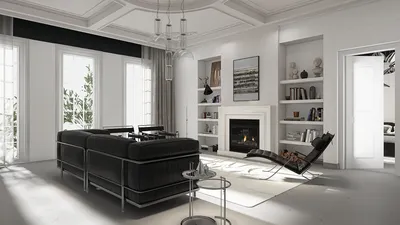


I've crafted numerous compact living rooms where maximizing each inch holds paramount importance. The ideal sofa should serve as the centerpiece without overpowering the area—providing comfort, ample storage, and an airy visual appeal. Here’s a practical guide to selecting small-space sofas that exude generosity, adapt seamlessly to everyday needs, and maintain a sophisticated look, all while utilizing Homestyler for effective layout planning.
Scale, Seating Depth, and Verified Comfort
In restricted areas, aim for total widths between 68–78 inches and seat depths of 20–22 inches. This facilitates clear movement while ensuring proper sit/stand posture. Research from Steelcase indicates that appropriate seat ergonomics can lessen physical strain and boost comfort throughout the day; principles that also apply in personal spaces—maintaining neutral hips, supported lumbar, and aligned knee angles can help lessen fatigue during prolonged seating. WELL v2 concepts further underline the significance of ergonomic comfort and posture support in both residential and workplace environments, highlighting the importance of carefully considered seat dimensions for health and efficiency.
Use Data to Guide Choices, Not Guesswork
Studies from Gensler indicate that furniture accommodating various uses—focus, socializing, and relaxation—enhances user satisfaction. Translating these findings to living rooms, select sofas that provide both upright seating for conversations and lounge-friendly elements without excessively expanding the footprint. Drawing from WELL v2 guidelines, opt for adaptable layouts that cater to diverse users and comfort preferences—arm heights of approximately 6–8 inches above the seat and back angles between 100–110° support natural positions.
Measure for Flow and Visual Balance
I recommend maintaining 30–36 inches of clear space around the sofa’s main edge, with a coffee table distance of about 16–18 inches for easy access. For narrower living rooms, consider a bench-seat sofa (featuring a single long cushion) to minimize visual clutter. For effective planning—and to swiftly experiment with layouts prior to purchase—use a room layout tool to emulate scale and circulation like those available in Homestyler.
Top Sofa Types for Small Spaces
- Apartment Sofa (68–75 inches): Characterized by clean lines, firm back cushions, and slender arms, these maintain a light, open profile.
- Loveseat (52–64 inches): Perfect for bay windows, studios, or tight spaces; pair it with a small accent chair to create a cozy conversational setup.
- Chaise-End Sofa: A compact two-seater with a small chaise (52–56 inches in length) retains seating while offering a relaxed lounging position.
- Settee: High-back versions lend an element of elegance and provide a more upright seating posture—ideal for petite parlors.
- Modular Two-Seat: Opt for shallow modules (20–22 inches in seat depth) combined with supplementary ottomans for versatile hosting options.
Arm Profiles, Legs, and Visual Lightness
Low-profile arms (3–5 inches) and elevated legs create negative space that enhances the perception of a larger area. Visible legs enable light to filter underneath, minimizing visual mass. If a more grounded aesthetic is desired, consider recessed plinth bases that look sleeker than full skirting. Additionally, I steer clear of bulky roll arms in compact residences—tapered or track arms can save 4–6 inches in overall width without compromising comfort.
Tight Back vs. Loose Cushions
Tight-back sofas (fixed back) reduce bulk and create a neat appearance in the room. Loose back cushions introduce more plushness but require maintenance and can consume limited depth. A hybrid design—pairing two slim loose backs with a tight bench seat—strikes a balance between comfort and tidiness.
Storage, Sleep, and Multi-Use Features
Seek out sofas with lift-up chaise storage or hidden under-seat drawers for storing blankets and seasonal items. For those with frequent guests, consider a compact sleeper sofa equipped with an easy-to-use tri-fold memory foam mechanism instead of heavier metal pull-outs, which may increase weight and bulk. Ottoman accessories with concealed storage can help keep remotes and cables organized.
Fabric, Color Psychology, and Durability
Color can significantly influence the perception of space. Insights from Verywell Mind suggest that lighter tones tend to create an open and tranquil atmosphere, whereas cooler shades can subtly recede, making a room appear larger. Choose performance fabrics (woven poly-blends or tightly woven cotton-linen mixes) boasting at least 30,000 double rubs for durability. For pet owners, low-pile, tight weave fabrics should be preferred, sidestepping heavy textures that trap fur.
Acoustic and Comfort Considerations
Tiny rooms can possess bright acoustics. Sofas with soft upholstery, padded arms, and fabric skirts can enhance sound absorption. Pair these with a rug (0.5–0.75-inch pile), lined curtains, and upholstered side pieces to mitigate echoing. In warmer climates, avoid non-ventilated leather and instead, select breathable fabrics with open bases for optimal airflow.
2024–2025 Small-Space Sofa Trends
- Slim modular options featuring reversible chaises
- Elevated legs with airy profiles
- Performance textiles in soft neutrals with warm undertones (oat, mushroom, mist gray)
- Curvier designs for safer movement and softer aesthetics
- Integrated charging capabilities within arm caps or hidden compartments
- Compact curves serving as alternatives to bulky sectionals
Layout Strategies That Make Room Feel Bigger
- Float the sofa approximately 4–6 inches from the wall to create a shadow gap and enhance airflow.
- Aim lighting to illuminate the wall above the sofa, which visually extends depth.
- Maintain consistent aisle widths (30–36 inches) to minimize visual clutter and ensure safe navigation.
- Position the sofa in line with the primary focal point (window or entertainment area) to clarify the room's purpose. Experimenting with an interior layout planner, such as Homestyler, can help assess traffic flow and sightlines.
Materials and Sustainability
Prioritize kiln-dried hardwood frames for durability, reinforced corner blocks, and webbing or sinuous springs for consistent support. Choose water-based finishes, certified low-VOC foams, and removable covers to enhance longevity. When feasible, select fabrics incorporating recycled materials and be mindful of maintenance needs to prolong replacement cycles.
Lighting Pairings That Elevate Compact Sofas
Layer task lighting with wall washers to prevent glare and minimize harsh shadows. I adhere to IES guidelines for living areas, suggesting 10–20 footcandles of ambient light, supplemented with task lighting (reading lamps) around 30–50 footcandles. Warmer color temperatures (2700–3000K) foster evening relaxation while maintaining accurate color rendering for textiles.
My Shortlist: Small-Space Sofa Details to Prioritize
- Width: 68–78 inches suitable for most compact living rooms
- Seat depth: 20–22 inches (providing support without expansiveness)
- Arm width: 3–5 inches
- Back angle: 100–110° for comfortable upright seating
- Leg height: 6–7 inches for a sense of visual elevation and ease of cleaning
- Fabric: tight weave, performance-grade, and light to medium values for an open feel
- Add-ons: reversible chaise, storage ottoman, and concealed charging stations
FAQ
Between 68–75 inches typically balances seating and movement, allowing for a coffee table and a clear pathway.
Absolutely. A short chaise introduces an additional lounging position without significantly enlarging the footprint compared to a full sectional.
Target 20–22 inches. Such depth aids upright sitting and facilitates standing, aligning with the ergonomic comfort principles found in workplace studies.
They do indeed. Exposed flooring under the sofa introduces negative space that diminishes visual mass, making a small room feel airier.
Tight-weave performance fabrics with low pile resist snags and are easier to maintain. Steer clear of heavy textures that catch fur.
Lighter, cooler colors typically recede and enhance the perceived space, a phenomenon supported by color psychology concepts. Pair these with warm accents to mitigate a sterile vibe.
Ensure consistent widths of 30–36 inches along major pathways and 16–18 inches between the sofa and coffee table for optimal reach and navigation.
Opt for compact sleepers featuring tri-fold foam mechanisms. They conserve depth and weight compared to bulky pull-outs while accommodating occasional guests.
Ambient lighting around 10–20 footcandles alongside task lighting at 30–50 footcandles, in the range of 2700–3000K, maintains comfort and visual harmony in the room.
Tight-back designs remain neater and shallower; loose cushions are plusher but add visual bulk. A hybrid option combining a tight seat with slim loose backs offers a balanced solution.
Utilize a layout simulation tool to test flow, viewpoints, and spacing digitally before finalizing a sofa size.
Tips 1:
Begin with scale: measure wall lengths, window positions, and outlet placements. Select a sofa that ensures consistent pathways and aligns with your room's focal point.
What began as an Autodesk innovation has evolved into a design platform used by more than 18 million people around the globe. Homestyler combines powerful rendering, an intuitive editor, and a vast furniture library to help you turn inspiration into photorealistic designs — whether you're redesigning a single room or planning an entire home.
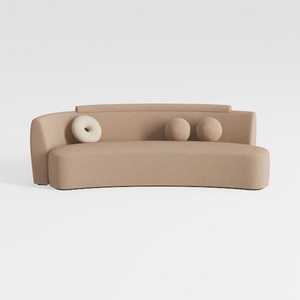

Yozma Curved Chenille Sectional Sofa Beige, Dual D

Minimalist Brown Leather L Shape Sectional Sofa 3D Model

Modern Luxury Velvet Curved Sectional Sofa Gold Base 3D Model
If you're looking to transform your living space effortlessly, Homestyler is your go-to online design platform. With a user-friendly design tool, stunning 3D rendering options, and a wealth of inspiring design projects and video tutorials, you can unleash your creativity and perfect your home design—all online!
Design Now for FREE
































