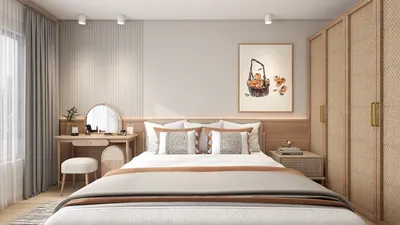


Once, a tenant requested that I fit a full bathtub into a closet — yes, you heard that right, a closet! This unexpected demand taught me an important lesson: searches for small space rentals nearby often conceal great potential. I proposed an alternative plan, focusing on a more functional layout, which transformed into one of my favorite projects. The creativity sparked by small spaces can lead to remarkable ideas, and I’m excited to share five effective strategies I have successfully implemented in real rental situations.
1. Create distinct areas with rugs and lighting
For studio or micro-rental units, I rely on strategically placed rugs and layered lighting to delineate living, sleeping, and working areas without the need for walls. This approach is budget-friendly, suitable for renters, and instantly adds a sense of purpose to the space. However, finding the right rug sizes is essential to avoid overwhelming a compact floor plan.
save pin
2. Utilize multifunctional furniture
I consistently advocate for furniture that serves multiple purposes — think of a sofa that converts into a guest bed, an ottoman with hidden storage, or a narrow table that can function as both a desk and a dining area. The benefit of this is immense flexibility; however, it may require sacrificing some singular comfort in favor of versatility. For clients needing assistance visualizing space, I often use tools like Homestyler to demonstrate how different pieces can fit seamlessly together before making purchases.
save pin
3. Expand upwards with storage
In the smallest rentals, vertical storage solutions such as tall shelves, wardrobe units, and wall hooks can dramatically free up floor space. I recommend installing open shelving in kitchens and floating shelves next to beds to keep walkways unobstructed. The challenge lies in securing taller items without permanent changes, so I always advise using tension rods or removable anchors to avoid conflicts with landlords.
save pin
4. Make a compact kitchen appear spacious
When it comes to small kitchens, workflow is essential: ensure that preparation, cooking, and cleaning areas remain unobstructed, and choose light colors to create an illusion of openness. Incorporating magnetic spice racks and foldable tables can be beneficial, and if you want to explore different layouts, I frequently utilize Homestyler to plan an efficient kitchen design virtually before any commitments are made. Budget-wise, small alterations, such as a new faucet or clever lighting fixtures, often yield the best return on investment.
save pin
5. Use mirrors and transparent pieces
Incorporating mirrors and acrylic furniture can reflect light and minimize visual clutter, giving the impression of a larger space in small rentals. I've replaced heavy artwork with sleek floor mirrors and swapped traditional coffee tables for clear options — enhancing style without excessive spending. If a hesitant tenant needs convincing, I can show them how the room looks using a 3D mockup via Homestyler, which often wins them over.
save pin
FAQ
Q1: What should I change first in a small rental?
Begin with lighting and decluttering: exchange heavy curtains for lighter options, introduce layered lamps, and remove excess furniture to create more movement and amplify the feel of space.
Q2: Can renters implement permanent changes?
Most landlords will prohibit permanent structural modifications; however, renters can opt for tenant-friendly upgrades such as peel-and-stick tiles, removable hooks, and temporary shelving to personalize their environment without risking their deposit.
Q3: How can I maximize storage in a studio?
Think vertically and creatively with hidden storage solutions: tall shelves, under-bed boxes, and multifunctional furniture can effectively conceal belongings while keeping the floor clear for improved flow.
Q4: Are mirrors effective in enhancing space?
Definitely — mirrors maximize both natural and artificial light, adding depth and creating the illusion of more space; positioning them opposite windows or behind light sources can significantly enhance their impact.
Q5: What’s a reasonable budget for a small refresh?
You can achieve noticeable improvements within the range of $200–$1,000, depending on your choices for furniture and lighting; low-cost enhancements like paint, textiles, and clever storage solutions usually provide the best returns on a limited budget.
Q6: Any tips for noisy small rentals?
Incorporate soft furnishings — rugs, curtains, and upholstered headboards — to absorb noise, and utilize weatherstripping or draft stoppers on windows to enhance acoustic comfort.
Q7: How are tenant rights enforced if issues arise?
Tenant rights can vary significantly by location; in the U.S., the Department of Housing and Urban Development (HUD) offers authoritative guidelines on rental housing standards and tenant protections (for more information, visit https://www.hud.gov).
Q8: Is it possible to experiment with designs prior to commitment?
Certainly — utilizing virtual planners and 3D mockups allows you to test layouts, color schemes, and furniture sizes without physically moving items, which saves money and helps avoid design errors.
save pin
Discover the joy of home design with Homestyler! This user-friendly online platform offers a powerful design tool, stunning 3D renderings, and a wealth of DIY video tutorials. Whether you’re a novice or an expert, you can easily create and visualize your dream space.
Concevez maintenant gratuitement
































