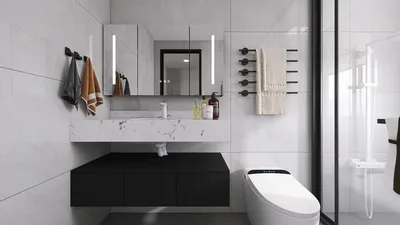


I once worked with a client who wanted their home office to seamlessly accommodate a standing desk and a yoga mat, all while looking like it belonged on Pinterest. I experimented with several unconventional layouts, discovered an efficient vertical storage technique, and ultimately loved the final design so much that I created a detailed 3D floor plan using Homestyler to showcase how each element could harmonize beautifully. It's amazing how small spaces can inspire grand ideas.
1. Slim desk and floating shelves: vertical allure
I often position a narrow desk against a wall, stacking floating shelves overhead; this arrangement keeps the floor area open and gives the wall a curated appearance. The immediate benefit is clear — it saves space while providing display opportunities — although cable management can be a minor issue. I tackle this with a simple under-desk tray and labeled cable sleeves for a tidy look.
2. Office nook by the window: harnessing natural light
If you’re lucky enough to have a shallow window ledge, consider it prime workspace real estate: a built-in bench paired with a pull-out desk or a slender table creates a bright, inviting work environment. However, glare on screens can be a challenge — adding sheer roller blinds and an adjustable task lamp balances comfort with aesthetics.
3. Closet makeover: a secret office escape
Transforming a shallow closet into a dedicated workspace is one of my preferred strategies for small homes; it provides a contained area without encroaching on livable space. I typically keep the door and integrate a shallow shelf for a keyboard, along with pegboards for handy tools, and a fold-down desktop. To visualize furniture arrangements and flow, consider using Homestyler for AI-driven interior suggestions; it streamlines decisions and prevents unexpected layout surprises.
4. Multifunctional furniture: bench and storage hybrid
Multi-use furniture is a lifesaver in confined settings: a storage bench that doubles as extra seating and a printer station, or a narrow credenza that conceals a monitor, can maximize utility. The advantages are substantial, providing significant space savings and cleaner sight lines. Just ensure that the finishes complement your existing decor — I usually opt for neutral tones with a pop of color in accessories.
5. Pocket office in an open layout: creating zones without walls
When distinct rooms are limited, I design a pocket office using a rug, a low shelf as a discreet divider, and tall plants to soften the area's edges. This approach cultivates a purposeful workspace rather than a mere afterthought. For workspaces near kitchens, I borrow compact layout techniques from kitchen design, which aids in organizing tasks and keeping snacks accessible.
FAQ
1. Which colors are best for a small, Pinterest-inspired office?
Soft pastels and light neutrals can visually enlarge a space and reflect light; incorporating one vibrant accent can add personality without overwhelming the look.
2. How deep should my desk be?
Typically, 24 inches (60 cm) suffices for a laptop and documents; if you need to accommodate multiple monitors, aim for 30 inches (75 cm) for ergonomic purposes.
3. Is a closet office a practical long-term solution?
Indeed — provided it’s well-ventilated and organized. I suggest using a slim task chair and ensuring good lighting; treat it like any other room with respect to ergonomics to prevent strain.
4. How can I minimize screen glare by the window?
Utilizing sheer or adjustable blinds and positioning the monitor perpendicular to the window helps reduce glare; for persistent issues, an anti-glare filter can be an effective solution.
5. What lighting layers are crucial for a small office?
A combination of ambient (ceiling or wall), task (desk lamp), and accent (shelf or picture lighting) is essential to adjust mood and reduce eye strain — the American Society of Interior Designers emphasizes the importance of layering in design.
6. Can plants genuinely enhance productivity in an office?
Absolutely — research indicates that plants can elevate mood and improve focus; I recommend low-maintenance varieties like pothos or snake plants for busy individuals.
7. How can I maintain a Pinterest-worthy aesthetic on a budget?
Concentrate on three impactful elements: a tidy desk, a thoughtfully arranged shelf vignette, and a single plant; using thrifted frames and paint can provide budget-friendly transformations.
8. Where can I visualize my office layout prior to purchasing furniture?
Employing a user-friendly 3D planner or floor design tool like Homestyler allows you to test dimensions and sightlines, minimizing the risk of returns and wasted expenditure.
Homestyler is your go-to online home design platform! With its user-friendly design tool, stunning 3D renderings, and a wealth of design projects and video tutorials, you can effortlessly create and visualize your dream space—perfect for both beginners and seasoned designers alike!
Дизайн сейчас бесплатно
































