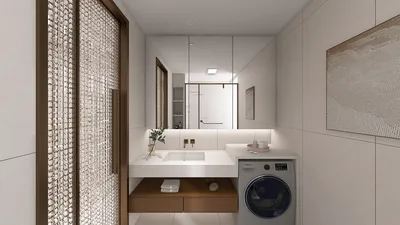


In my experience, attempting to fit a full-sized sofa into a living area of just nine square meters, simply because a client adored its color, was a significant design misstep that taught me a crucial lesson. Now, I always advise clients to meticulously map out their space before falling head over heels for any one piece of furniture. Trust me, this straightforward step saves countless hours and helps avoid numerous returns. This practice of planning the layout remains an essential part of my process from day one of every project, especially when using platforms like Homestyler to visualize the design.
1. Invest in multifunctional furniture
I'm a big fan of Murphy beds or sofas that cleverly conceal desks—these items not only provide versatility but also help maintain a decluttered environment. The advantages are easy to see: one piece serves multiple purposes. However, keep in mind that you may have to compromise slightly on comfort or style for the sake of functionality; with smart choices in fabric and finishes, however, you can attain the best of both worlds.
save pin
2. Master vertical space
When floor space is limited, I utilize walls for storage, lighting, and visual accents. By installing tall shelves and wall-mounted lighting, you draw the eye upward, making the room appear more spacious. Just remember to consider dust accumulation and accessibility—step stools can become your best ally rather than an inconvenience.
save pin
3. Create zones using rugs and lighting
In a small studio, I once recommended using a rug along with a pendant light to define a seating area, which transformed the room into an organized area without erecting any walls. If you're concerned about your kitchen feeling cramped, take time to optimize its workflow by experimenting with appliance placements and work triangles early in the design phase with tools like Homestyler; it's a small investment that prevents substantial regrets later.
save pin
4. Select a cohesive and limited color palette
A focused color scheme featuring a couple of contrasting tones fosters a serene and purposeful atmosphere. I typically select one bold accent color and echo it through cushions, artwork, and a small piece of furniture. While this approach promotes harmony, some clients may desire additional color, so I suggest incorporating easily changeable accents like throws and picture frames to refresh the look seasonally.
save pin
5. Make layout decisions visual and testable
Prior to any purchases, I like to sketch out ideas and then create quick 3D mockups. This allows clients to visualize how different pieces will fit together and flow, helping to eliminate common complaints about items looking larger in showrooms. Whenever I want to assess different arrangements, I often rely on simple visualization tools like Homestyler to confirm scale and sightlines.
save pin
FAQ
Q1: What’s the quickest initial step to decorate a small room?
A: Begin by measuring the space and drafting a basic floor plan. Knowing the exact dimensions along with the locations of doors and windows quickly narrows down your options and helps avoid expensive mistakes.
Q2: How can I select furniture that actually fits?
A: Measure circulation clearances (minimum 60–90 cm for walkways) and opt for slimmer profiles or multifunctional furniture pieces to maximize space utility.
Q3: Should I always choose light colors in small rooms?
A: While light colors can reflect more light and give an illusion of a larger space, strategically placed dark accents can add depth and sophistication; striking a balance is essential.
Q4: How much storage should I plan for?
A: Aim to provide storage for about 80% of your items; for kitchen and bathroom storage guidelines, industry standards like those from NKBA can offer helpful metrics (https://www.nkba.org/).
Q5: Do mirrors really make a room feel more spacious?
A: Absolutely—mirrors reflect light and create a sense of depth. Place them across from windows or light sources for the most significant effect.
Q6: What type of lighting works best in compact spaces?
A: A combination of ambient (overhead), task (for reading/work), and accent (for art/highlighting) lighting is ideal. Adding dimmers is a small enhancement that greatly increases flexibility.
Q7: How should I handle large appliances in tight spaces?
A: Look for compact or integrated versions of appliances, and focus on workflow; sometimes substituting a large unit for two smaller, more strategically placed items can significantly enhance daily functionality.
Q8: Is it beneficial to hire a designer for a small room?
A: Typically, yes—small rooms require meticulous planning where every inch is valuable; a designer can help evade costly mistakes and assist in achieving a high-impact design within a reasonable budget.
What began as an Autodesk innovation has evolved into a design platform used by more than 18 million people around the globe. Homestyler combines powerful rendering, an intuitive editor, and a vast furniture library to help you turn inspiration into photorealistic designs — whether you're redesigning a single room or planning an entire home.
Homestyler is your go-to online home design platform! With its user-friendly design tool, stunning 3D renderings, and extensive library of design projects, you can easily create and visualize your dream space. Plus, the helpful video tutorials make DIY home design a breeze!
Concevez maintenant gratuitement
































