

Having designed numerous compact bedrooms, I've found that the most impactful changes are often the simplest—like positioning the bed where it aligns best with light, energy, and daily habits. In smaller spaces, Feng Shui transcends mere aesthetics; it becomes practical spatial design that enhances sleep quality and maintains a tranquil environment. Research indicates that our surroundings significantly affect our well-being, showing that poor lighting and clutter can lead to heightened stress and disrupted sleep patterns. The WELL v2 standards also underscore the importance of controlling acoustics and ensuring adequate lighting for overall health. For instance, the ideal night-time ambiance should generally be below 50 lux to protect our natural circadian rhythms, and the IES recommends using layered lighting to create a relaxed and visually comfortable setting.
When it comes to arranging the bed, I always start by considering two fundamental rules: sightlines and supportive backing. The 'command position' involves placing the headboard against a solid wall, enabling a clear view of the doorway without being directly in line with it. This positioning not only improves perceived safety but also minimizes startled responses, as studies indicate that predictable sightlines can help calm the nervous system. Additionally, color psychology suggests that cooler, muted tones—such as soft blues and greens—invoke tranquility, which is why I often favor desaturated color schemes with low-reflectance finishes in small bedrooms. For those interested in exploring the connection between environmental factors and rest, the research by Steelcase provides valuable insights.
Essential Guidelines for Bed Placement in Small Spaces
• Command position: Situate the bed to allow visibility of the door while avoiding a direct line of sight, using slight diagonal adjustments if space is tight.
• Solid wall behind the headboard: A full-height wall not only stabilizes the room's energy but also supports your posture; avoid placing windows directly behind the head.
• Maintain balanced distance from the door: Aim for a 24–30 inch clear path between the door and the bed's edge to enhance movement flow.
• Avoid direct alignment with the door: Aligning the bed too closely with the door can create a feeling of exposure; consider shifting it a foot or angling it for a more inviting approach.
Space-Saving Layout Techniques
• Opt for a slim platform bed or frame with rounded edges to prevent injuries and reduce visual weight.
• If necessary, float the bed slightly from the wall; a 2–4 inch gap aids in cable management and helps prevent moisture without compromising support.
• Incorporate slender night ledges instead of bulky tables to free up space; 8–12 inches of width is enough for a lamp and a book.
• In nearly square rooms, position the bed centrally on the longest uninterrupted wall; in more rectangular spaces, lean toward the shorter wall for increased walking area.
• For awkward door swings, consider swapping hinges or using pocket doors to reclaim valuable inches.
Lighting, Color, and Acoustic Comfort
• Layer your lighting: Soft, 2700–3000K lamps on the nightstand with opaque shades minimize glare; indirect options like wall-wash lights help control shadows. Keep ambient light levels low to support melatonin production as advised by WELL v2.
• Block out where needed: If external lights like streetlamps disrupt your sleep, use blackout curtains combined with sheer daytime panels to maintain flexibility in light control.
• Choose calming color palettes: Select base colors that promote relaxation, such as blue-gray, sage, and oatmeal, while keeping Light Reflectance Values moderate to prevent overwhelming glare in close quarters.
• Create acoustic balance: Use rugs, upholstered headboards, and fabric curtains to absorb sound; a soft runner alongside the bed path can help minimize footstep noise.
Organizing Storage and Materials for Positive Energy Flow
• Under-bed storage options should be low and well-organized; ensure at least 4–6 inches of clearance for a lighter feel under the bed.
• Opt for natural materials with low VOC finishes; a wooden headboard or an upholstered panel promotes good Feng Shui and better indoor air quality.
• Avoid placing tall furniture against the headboard wall; arrange wardrobes perpendicular to the bed to prevent feeling overshadowed.
• Simplify decor: Placing one large artwork above the headboard is more soothing than multiple smaller pieces. Keep bedside items minimal.
Guidelines for Doors, Windows, and Mirrors
• If the bed is aligned with a window, use a substantial headboard and full-length curtains to create visual stability on that wall.
• Avoid placing mirrors directly opposite the bed; if there are mirrors on wardrobes, adjust the bed's position or angle mirrors to limit direct reflections.
• Doors should have at least 3 inches clearance from the bedding; adjust the position of the bed if necessary, or use a narrower duvet to alleviate conflicts.
Common Layout Scenarios and Solutions
• For a micro room with an off-center window: Set the bed on the window wall but offset it to maintain a view of the door; combine blackout and sheer layers with a strong headboard to manage window exposure.
• In a narrow room with a single door: Place the bed against the short wall, allowing for a 24-inch path on the more frequently used side, and install a swing-arm lamp to maximize floor space.
• With sloped ceilings: Try to position the head of the bed under the highest point to avoid any discomfort while sleeping; store taller items below the slant.
Efficiently Planning Room Layouts
In space-limited designs, I visualize foot traffic and sightlines before rearranging furniture. A quick digital layout tool, like Homestyler, allows me to confirm clearances, angles, and daylight transitions throughout the day. If you're testing out new arrangements, utilizing a room layout tool can effectively reveal the best command position and circulation flow.
Color Psychology Enhancing Restfulness
Calm color schemes serve more than just aesthetics; they significantly impact mood. Reports from Verywell Mind correlate hues such as blue with stability, green with balance, and neutral earth tones with warmth, without promoting overstimulation. In smaller spaces, I tend to keep color saturation low and favor warmer neutral shades to prevent the atmosphere from feeling sterile at night. Decorative accents should be minimal—perhaps just a single soft throw or a subdued lamp instead of a multitude of vibrant objects.
Understanding Ergonomics and Human Factors
A bed height of around 20–24 inches is generally comfortable for adults to facilitate easy transitions from sitting to standing. Leave at least 18 inches of clearance beside the bed for safety; 24 inches is preferable in extremely compact areas if possible. Place light switches within easy reach from the pillow area to eliminate late-night trips, and choose lamp shades that diffuse light to prevent direct glare, in line with IES recommendations.
Final Touches for Room Stability
Use symmetrical bedside elements when they fit; asymmetrical arrangements are acceptable if the overall appearance feels balanced visually against the headboard wall. Incorporating a plant with rounded leaves can soften hard corners near the bed—avoid placing plants directly above the headboard. Keep wires hidden and consider a silent fan or low-noise mini-split unit to control nighttime sound levels without disturbing airflow over the bed.
Frequently Asked Questions
Q1: What is the optimal bed position in a very small room?
A1: Position the headboard against a solid wall in a command setup, allowing visibility of the door without direct alignment. Maintain a minimum of 18–24 inches of clearance on one side for safe mobility.
Q2: Can the bed face the door?
A2: If necessary, angle or slightly offset the bed so the door is not centered on it directly. A strong headboard and a rug can help stabilize the bed's placement.
Q3: What lighting setup is best for promoting better sleep?
A3: Select warm 2700–3000K lamps with diffusers, maintain low nighttime light levels to protect circadian rhythms in line with WELL v2 standards, and avoid directing lights straight at the pillow.
Q4: Are mirrors positioned opposite the bed acceptable?
A4: It's advisable to steer clear of mirrors directly facing the bed; if mirrored furniture exists, adjust the bed layout or place drapery to diminish direct reflections.
Q5: What color schemes are most effective for comfortable bedrooms?
A5: Soft shades of blue, green, and warm neutrals are linked to calming atmospheres according to color psychology; maintain low saturation and matte finishes to reduce glare.
Q6: How much space should be cleared around the bed?
A6: Aim for 24 inches of clearance on the primary circulation side if possible; 18 inches is the minimum in very confined spaces. Ensure doors and drawers function without obstruction from bedding.
Q7: Is under-bed storage aligned with Feng Shui principles?
A7: Yes, provided it is organized neatly and not overly packed. Leave breathable space, and prefer low-profile storage solutions without sharp edges.
Q8: How should I handle a window located behind the bed?
A8: Use a robust headboard coupled with full-height drapes to create a secure atmosphere. Ensure the option for blackout capabilities to maintain a dark undisturbed environment at night.
Q9: What are the best strategies for dealing with sloped or irregular ceilings?
A9: Situate the head of the bed under the highest ceiling point to avoid feeling cramped during sleep. Store taller furniture below the sloped areas and utilize soft, indirect lighting.
Q10: Which materials contribute to a pleasant ambiance near the bed?
A10: Natural woods with low-VOC finishes, breathable fabrics, and soft textiles enhance tactile comfort and sound absorption, while ensuring a grounded feel in the room.
Q11: Any recommendations for managing noise levels?
A11: Incorporate rugs, upholstered headboards, and fabric curtains. Consider utilizing a low-noise fan or white noise machine with minimal sound ratings to cover disruptive noises.
Q12: How can I effectively test different furniture layouts prior to moving pieces?
A12: Utilize a room layout tool like Homestyler to visualize traffic patterns, sightlines, and daylight interactions—it’s the quickest method to affirm command positions and spacing.
Built on technology originally developed at Autodesk, Homestyler empowers anyone to design beautiful, realistic spaces in minutes. Join over 18 million users who have already discovered a smarter way to plan, visualize, and bring their dream homes to life — all from the comfort of a browser.
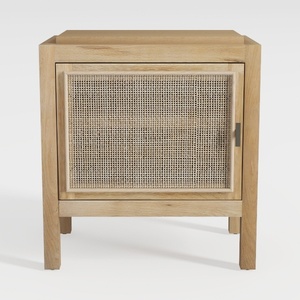
Japandi Solid Oak Rattan Nightstand 3D Model

Minimalist Solid Wood Nightstand with Single Drawer 3D Model
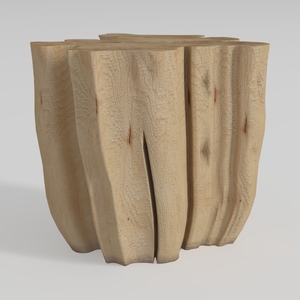
Natural Solid Wood Organic Shape Side Table 3D Model
Homestyler is your go-to online home design platform, perfect for both beginners and seasoned designers. With its intuitive design tool, impressive 3D renderings, diverse design projects, and helpful DIY video tutorials, transforming your home into a stunning space has never been easier or more enjoyable!
Design Now for FREE
































