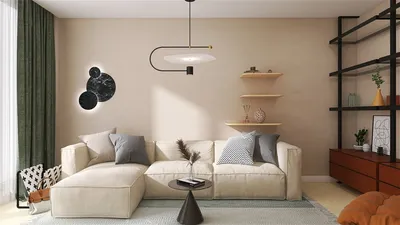


There was a time I agreed to fit a three-seat sofa into a studio apartment, all while the client insisted on keeping enough space for yoga as well. This led to some challenging negotiations, and I quickly learned the importance of testing sightlines and pathways early in the design phase. Utilizing a tool like Homestyler to visualize the layout before making any purchases has become essential for me.
1. Slim sofas with elevated legs
I frequently recommend slender sofas with visible legs, as they create an open atmosphere and make the room appear more spacious. These pieces not only offer a chic aesthetic but also pair wonderfully with low coffee tables. However, keep in mind that they offer less cushiness compared to deeper sofas, so you might want to plan for some extra cushions if you enjoy binge-watching.
save pin
2. Integrated banquette-style seating
In small living areas, I sometimes design a bench along a wall that serves both as seating and a storage solution. This design is fantastic for optimizing space and keeping clutter out of sight, although it does tend to be more permanent. Thus, careful upholstery choices are crucial for comfort.
save pin
3. Modular mini-sectionals
Modular furniture is my preferred option when clients desire flexibility. You can separate the modules for guests or push them together to form a compact sofa. They blend seamlessly with other furnishings and allow you to rearrange as your needs evolve—you might even consider them as adaptable pieces of furniture that can grow alongside your various room layouts, especially when using tools like Homestyler to visualize changes.
save pin
4. Sofa-benches and daybeds
Daybeds and sofa-bench combinations are clever solutions for living areas that occasionally need to function as a guest bed. They are not only practical but often budget-friendly. However, be sure to check the mattress thickness and any mechanisms, as nobody likes a loud creaking sound during an overnight visit.
save pin
5. Corner loveseats and floating arrangements
Corner loveseats offer a compact yet comfortable two-seater experience. By placing them away from the walls, you can create walking space and add visual interest. To experiment with different layouts easily, why not draft a quick floor plan using a platform like Homestyler? This way, you can explore several configurations before making any commitments, saving you from potential returns and the hassle of bulky deliveries.
save pin
FAQ
Q1: What size is ideal for a small couch?
For most compact living spaces, a couch measuring between 60 and 72 inches in width tends to work well. Start by measuring doorways and circulation paths beforehand. I always suggest marking the space out with tape on the floor to verify the fit.
Q2: Should I choose a vibrant color or a neutral tone for a small couch?
Neutral colors can make a space feel larger and more versatile, while a bright couch can serve as a captivating focal point. If you prefer color, balance it out with neutral walls and smaller accents to prevent the room from feeling cramped.
Q3: Are slipcovers beneficial for small couches?
Slipcovers are excellent for maintaining durability and enabling a change of style without the need to buy new furniture. They are cost-effective and practical; just ensure you choose a snug-fit design so the fabric doesn’t appear loose in a tight space.
Q4: Can a small couch comfortably accommodate two people?
Absolutely! Look for deeper seating or a slightly wider loveseat alternative; adding firm cushions can enhance comfort as well. Modular setups also help, as you can combine two pieces for extra width when necessary.
Q5: How much space do I need around a small couch?
Maintain at least 18 to 24 inches in front for a coffee table and 30 to 36 inches for main circulation pathways. I often sacrifice a little decorative furniture to ensure there’s comfortable movement.
Q6: Which materials are best for compact living spaces?
Stain-resistant fabrics and leatherette options are easy to care for and appear visually appealing; lighter tones can open up a space. While natural fibers can create a cozy vibe, they may necessitate more upkeep in high-traffic apartments.
Q7: How do I select cushions for a small couch?
Mix a couple of large back cushions with smaller accent pillows to avoid overcrowding the seat surface. Having too many cushions can reduce available seating. Make sure cushion depth is appropriate so that users can sit comfortably without their feet dangling.
Q8: What are the typical heights for sofa seats?
Based on design standards such as those from Architectural Digest, a standard sofa seat height usually falls between 17 to 19 inches, providing a comfortable ergonomic balance for most adults (Architectural Digest).
save pin
Homestyler is your go-to online home design platform! With its user-friendly design tool, stunning 3D renderings, and a wealth of DIY video tutorials, you can easily transform your interior spaces and explore endless design possibilities—all at your fingertips!
Progetta ora GRATIS
































