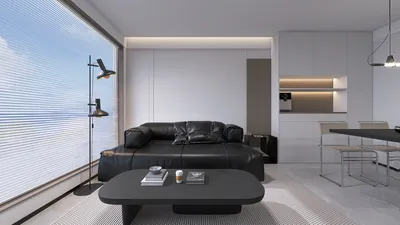


I once had a discussion with a client who believed that their small balcony required a 48-inch round table specifically for Instagram-worthy photos. We eventually found a middle ground with a compact pedestal table, which turned out to be the favorite hangout spot in the home—leading to the end of those awkward selfie moments. In that particular project, I incorporated a renovation case study demonstrating how a modest round pedestal dining table can convert otherwise awkward corners into inviting gathering spaces. It's a great example of utilizing tools like Homestyler to visualize these designs effectively.
1. Allow the pedestal to breathe — embrace visual lightness
A single central pedestal creates an impression of lightness that four legs may not achieve, lending a visual trick that can instantly make a small area feel more spacious. The benefits include easier chair movement and clearer sightlines, while the potential downside is having a base that may be too bulky if proportions aren’t chosen wisely. I often replace heavy stone bases with more delicate metal or tapered wooden options to enhance that airy feel.
2. Consider dimensions: diameter and clearance
For seating two to four people, a diameter between 36 to 42 inches is typically ideal—offering intimacy while maintaining functionality. Always ensure a gap of at least 36 inches from the table edges to walls or major pathways to allow for easy chair movement. In curvy spaces, a round table with a diameter of 30 to 36 inches can be a brilliant solution while still promoting a social environment.
save pin
3. Include multifunctional features — fold, extend, or store
In small apartments, I appreciate tables that come with a removable leaf or a slim shelf underneath for items like placemats or cookbooks—these small enhancements deliver great functionality. While these adaptations can increase the cost or slightly limit legroom, it’s important to evaluate how often each feature will be utilized. When the kitchen space is particularly tight, utilizing small kitchen layouts helped me in positioning a pedestal table that also serves as an additional prep area, proving how versatile designs in applications like Homestyler can be.
save pin
4. Use material combinations that convey small or luxurious appearances
Light wooden surfaces or glossy white finishes create the illusion of a smaller piece, while a dark marble top imparts a sense of luxury and stabilizes the room's design. Sleek metal pedestals can add an industrial feel without overwhelming the space. The key is to align the finish tones with adjacent cabinetry or flooring, ensuring the table feels like a cohesive part of the room rather than an isolated object slapped on a random moodboard.
save pin
5. Thoughtful placement and pairing — encourage conversation
Positioning a small round table by a window can create an inviting breakfast nook, or placing it in an alcove with a bench on one side can save valuable floor area. Incorporating benches alongside varied seating increases the capacity without overcrowding, although it sacrifices some flexibility since benches are less portable than chairs. To finalize configurations, I often explore space-saving floor plans to confirm circulation before making any purchases.
save pin
FAQ
Q1: What size diameter is most suitable for a small round pedestal dining table?
A: For seating two to four individuals, 36 to 42 inches provides a comfortable experience. In tighter areas or for solo meals, a size of 30 to 36 inches can be appropriate.
Q2: Will a pedestal base limit legroom?
A: Generally, pedestal bases allow for enhanced legroom compared to traditional four-legged tables, although excessively wide or intricately designed bases might encroach on space. It's always helpful to create a prototype using cardboard to test it out first.
Q3: Are pedestal tables stable enough for daily use?
A: Yes—well-designed pedestals possess a low center of gravity and a broad base. If you anticipate heavy daily usage, avoid selecting very tall or slender pedestals.
Q4: How should I choose materials for a small area?
A: Lighter hues and smaller grain patterns help pieces seem less cumbersome. If contrast is desired, restrict dark or textured materials to a single focal point for overall balance in the room.
Q5: Can a round table function as a kitchen prep area?
A: Yes, it can handle light tasks like chopping or plating, yet it won’t substitute for countertop space. A mobile island may be more suitable for frequent, intensive meal preparations.
Q6: What clearance should be maintained around the table?
A: Aim for a minimum of 36 inches from the table edge to walls or primary walkways, ensuring chairs can be pulled out comfortably, which coincides with standard kitchen and dining circulation recommendations.
Q7: Is there any authoritative advice on dining clearances?
A: As per the National Kitchen & Bath Association (NKBA), maintaining 36 inches of clearance around dining tables is the best practice for comfortable movement and seating arrangements.
Q8: How can I enhance the styling of a pedestal table in a confined space?
A: Keep centerpieces low to maintain clear sightlines, layer the space with a rug to define the dining area, and coordinate one or two accent finishes with the surrounding furniture for a unified aesthetic.
save pin
Discover your home's potential with Homestyler! This user-friendly online design tool offers stunning 3D renderings, a wealth of design projects, and insightful DIY video tutorials. Whether you’re a novice or an experienced designer, Homestyler makes home transformation easy and inspiring!
Desain sekarang Gratis
































