

Small round glass coffee tables are essential in compact living spaces for two main reasons: they enhance visibility and facilitate smoother movement. In my design projects, these tables not only reduce their physical presence but also offer a visual clarity that lessens clutter—creating a more open atmosphere in studio apartments and micro-living areas, making them feel expansive instead of cramped.
The right scale and clarity are crucial. Research by Steelcase indicates that too much visual complexity can increase mental strain, resulting in fatigue within open spaces; therefore, minimizing visual distractions allows occupants to concentrate better and remain relaxed. According to Verywell Mind’s insights on color psychology, lighter shades and reflective surfaces can enhance perceived brightness, fostering a positive mood while keeping the spatial volume unchanged. A small round glass table achieves both objectives: it eliminates harsh corners and mirrors its surroundings to create a brighter perspective.
For practical purposes, I recommend selecting tables ranging from 18 to 30 inches in diameter, particularly for cozy seating arrangements, maintaining a height between 16 to 18 inches to match standard sofa seat heights. The WELL v2 framework underscores the importance of glare reduction and uniform brightness for visual comfort; hence, pairing a low-iron glass top with soft diffused lighting in the 2700 to 3000K range minimizes glare, ensuring that the table retains an airy feel while also reducing eye fatigue. For layouts requiring confirmation before purchase, utilizing a room layout tool like Homestyler can help verify circulation spaces and movement pathways around the table.
Reasons Round Glass Tables Are Ideal for Small Rooms
The edges of a round table effectively guide movement. Its circular shape gently directs traffic, allowing individuals to navigate through tight spaces effortlessly. The clear surface minimizes visual weight—this is a technique I apply when the living space also accommodates dining areas or workstations. The table serves as a subtle centerpiece that does not overpower the decor, leaving room for textiles, art, or a feature wall to showcase individuality.
Appropriate Size and Height
I typically opt for diameters under 28 inches for arrangements featuring a loveseat and lounge chair, and up to 32 inches for compact sectionals. Maintain a height of 16 to 18 inches to ensure compatibility with most cushions; for taller sofas, this may extend to 19 inches. Aim for a clearance space of 18 to 24 inches around the table to facilitate easy movement. In spaces that are quite tight, maintaining 16 inches of clearance can work for occasional seating, although it may feel cramped for everyday use—employ an interior layout planner such as Homestyler for quick planning before making a purchase.
Choosing the Right Materials and Finishes
Low-iron tempered glass offers a neutral appearance and sharp edges without the green tint typical of standard glass. Matte finishes help minimize glare and hide fingerprints, especially useful under direct lighting. Combine the glass top with powder-coated steel in muted shades (warm gray, soft black) or complement it with a light oak base for a stylish contrast between classic and contemporary. In homes with pets or high social activity, choosing tempered glass is essential for safety and durability.
Lighting, Glare, and Visual Comfort
The lighting in a room significantly impacts how glass surfaces are perceived. It’s essential to adhere to IES recommendations by evenly distributing ambient light and avoiding narrow-beam downlights directly over the table—this type of lighting can create glare and harsh shadows. A floor lamp with a fabric shade at 2700 to 3000K ensures a balanced illumination, while indirect lighting methods like cove or wall-wash lighting elevate the overall brightness, preventing the table from becoming an isolated bright spot.
Combining Color Psychology with Transparency
Utilizing a glass tabletop allows your color scheme to shine. If the environment leans towards cooler tones, introducing warm neutrals through a rug or an ottoman can soften any clinical contrast. Research from Verywell Mind highlights that warm hues enhance comfort and social interactions—thus pairing a transparent top with textiles in cinnamon or sand shades adds warmth to an otherwise sleek setup. On the flip side, cool colors like soft blues and greens can maintain a serene atmosphere in small lounges, especially in stimulus-rich urban environments.
Ergonomics for Everyday Usage
Round tables provide ease around the knees and shins, especially in constrained seating areas. It is ideal to keep the edge thickness between 10 to 12 mm to ensure durability without adding bulkiness. If hosting movie nights, consider a nesting setup—with a small round glass table accompanied by a slender side table—to avoid excessive stretching. Additionally, using soft silicone bumpers under the glass can enhance cushioning and improve acoustic comfort.
Enhancing Acoustic Comfort
Glass inherently reflects sound. To mitigate this, use a dense area rug (wool blends work exceptionally well) and upholstered furniture to absorb mid-high frequencies. In echo-prone rooms, installing a fabric-wrapped panel or shelving unit with variable depth can help diffuse sound reflections. Opting for a wooden base instead of a hollow metal frame can also reduce the sound of objects being placed down.
Achieving Storage Without Added Bulk
If storage solutions are necessary, consider a two-tier design featuring a clear top with a smoked or frosted lower shelf—this cleverly conceals items like remotes. Ensure the lower shelf is set back from the edge to avoid tripping hazards. Alternatively, a minimalist tray that matches the base finish can serve as a cohesive accessory, blending seamlessly with the table design.
Sustainability and Upkeep
Tempered glass can be endlessly recycled, and powder-coated steel is both durable and easy to maintain. For those preferring wooden bases, select FSC-certified varieties and environmentally friendly finishes. For cleaning, avoid ammonia-based cleaners on satin-etched glass; instead, opt for pH-neutral solutions to preserve clarity and surface quality. Microfiber cloths are effective for minimizing streaks, and felt pads underneath the base can protect flooring from scratches.
Layout Recommendations for Micro-Living Areas
Position the table about two-thirds along the sofa length instead of the exact center—it better aligns with actual seating locations. In narrow spaces, angle the lounge chair slightly towards the sofa (10 to 15 degrees) to create a diagonal passage around the table. Additionally, position the table away from the TV wall to lessen direct glare. Confirm these strategies using a room design visualization tool like Homestyler before committing to changes.
Style Trends for 2024–2025
Curvy designs, mixed material bases, and smoke-tinted glass are increasingly popular in compact living spaces. I’m observing trends such as understated black frames with round edges, warm sand or bone textiles, and nuanced travertine details. The small round table serves as a pivotal piece that ties these design elements together—subtly modern, easy to incorporate, and space-efficient.
Frequently Asked Questions
For most studio apartments, a diameter between 20 and 28 inches is suitable. If you opt for a compact sectional sofa, you can extend this to 30–32 inches while ensuring a clearance of at least 18–24 inches for movement.
Add warmth through textiles like wool rugs, boucle throws, or oak accents. The transparent top allows these materials to dominate the visual narrative without overwhelming the table’s minimalist design.
Utilize diffused lighting in the range of 2700–3000K, avoid placing tight-beamed lights directly above the table, and consider the use of satin-etched glass. This balanced ambient lighting aligns with IES comfort standards.
Indeed. Tempered glass enhances impact resistance, breaking into smaller, less hazardous pieces if shattered—crucial for areas with tight movement.
Absolutely. The contrasting elements create visual interest. Just ensure the rug is appropriately sized to accommodate the front legs of seating, anchoring the table visually.
Opt for powder-coated steel for lightweight stability and additional strength; choose light oak to introduce a warm texture. Avoid bulky pedestal bases that can encroach upon knee space.
Aim for a clearance of 16 to 18 inches to align with most seating heights. For taller sofas, heights of up to 19 inches may be acceptable, but always test comfort using a layout simulation tool.
Using a dense carpet alongside silicone bumpers beneath the glass can lessen impact sounds. A wooden base also minimizes sound resonance compared to hollow metal alternatives.
Satin-etched glass not only repels fingerprints but also simplifies maintenance. For standard glass tops, use a pH-neutral cleaner with a microfiber cloth; generally, weekly cleaning should suffice.
In very tight spaces, yes. A petite round table combined with a narrow side table can provide functional surfaces without taking up excessive space.


NIUYAO Pedestal Table French Mid-Century Style
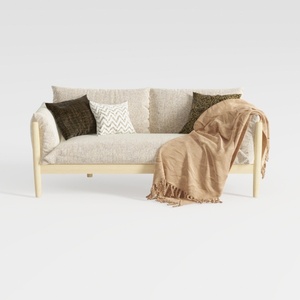
LINSY Futon Sofa Bed: 71 Inch Corduroy Futon Couch

Lazzo Rattan Coffee Table Mid Century Modern Cente
Homestyler is your go-to online home design platform! With its user-friendly design tool, stunning 3D renderings, and a variety of DIY video tutorials, you can effortlessly transform your spaces and unleash your creativity. Perfect for any design enthusiast, no experience needed!
تصميم الآن مجانا
































