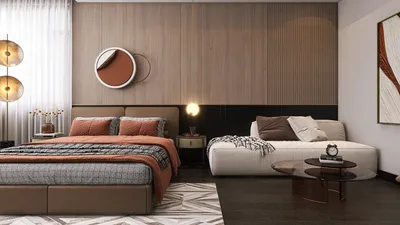


I once managed to fit a twelve-person tasting menu into a 12 sqm back room in Shoreditch, contemplating whether it would turn out to be magic or a disaster. Ultimately, it turned out to be one of my favorite successes, as the limitations sparked my creativity — and a clever 3D visual from Homestyler kept me from scrambling for seating when the starter was served.
For anyone looking to visualize their space before committing to joinery or chandeliers, this initial planning phase can save both time and money. Even in small spaces, big ideas can flourish. Here, I present five inspiring concepts I’ve applied to private dining projects in London, along with candid notes about trade-offs and budget considerations.
1. Foldable Banquette and Multi-Depth Seating
I have a particular fondness for banquettes as they embrace the room while providing extra seating without obstructing movement. In a recent project in Mayfair, I designed tiered cushions that allowed those seated at the back to view over the front row — the secret lies in using modular benches that can be tucked away when the space needs to be cleared.
Advantages include increased seating capacity, a cozy atmosphere, and storage options beneath. However, custom benches can be time-consuming and expensive to create; ensure access panels are provided for cleaning and heating access.
save pin
2. Glazed Partition for Intimacy and Natural Light
Basements in London often feel like caves; hence, incorporating a slim glazed partition provides acoustic privacy while allowing ambient light to come through. I specified acoustic glass alongside a heavy drape for when complete privacy is necessary — this drape also serves as decorative element and sound absorber.
Budget tip: opt for slender black metal frames to achieve a high-end appearance without the need for extensive masonry work.
save pin
3. Statement Lighting that Defines the Dining Table
A single oversized pendant or a series of sculptural lights can create a striking focal point, instantly signaling a private dining experience. At one installation, I utilized adjustable pendants so that lighting brightness and beam angles could shift between tasting courses and coffee — adding a theatrical touch without added complexity.
Be cautious of glare: specify dimmers and louvers to ensure guests are protected, allowing attention to be drawn to plates rather than ceilings.
save pin
4. Chef’s Counter and Micro-Service Hatch
By bringing the kitchen into view, you enhance the dining experience and improve service efficiency for smaller groups. In a venue located in Clerkenwell, we incorporated a narrow chef’s counter with a pass-through hatch; this not only improved efficiency but also provided guests with engaging front-row interaction.
Adhering to strict ventilation regulations can present challenges, and you must plan for hygiene meticulously, but the result is an intimate and premium atmosphere.
To visualize how service and seating interact in compact areas, I frequently plan the seating arrangement first, followed by adding layers of lighting and finishing touches.
save pin
5. Layered Textures, Greenery, and Aroma for a London Atmosphere
Small spaces can feel constricted if sticking to monochrome tones. I prefer a mix of three materials — soft upholstery, warm timber, and matte plaster — complemented with living plants and a delicate scent diffuser. This combination exudes luxury without the need for high-priced furnishings.
When integrating food preparation near the dining area, experiment with various kitchen-service layouts to minimize the influx of hot odors and foot traffic into the guest experience.
save pin
FAQ
Q: How many guests can a ‘small’ private dining room in London realistically accommodate?
It largely depends on the layout and service model. A well-conceived 12–15 sqm space can comfortably host 8–10 guests with banquette seating, while a 20 sqm area can accommodate 12–16. Always create a mock-up of the table layout before finalizing your plans.
Q: Is planning permission necessary to transform a small room into a private dining space in London?
Typically, internal alterations don't require extensive planning permission; however, changes that impact ventilation, exterior signage, or significant structural modifications might. Always verify with your local council or consult a planning expert.
Q: What about licenses for serving alcohol or food?
Most commercial dining establishments must obtain a premises license under UK law; temporary events may use a TEN for limited durations. For clear guidance, visit the UK Government’s official pages on licenses: https://www.gov.uk/premises-licence-local-authority.
Q: How should I manage acoustics in a small dining room?
Implement soft surfaces such as upholstered seating, thick curtains, and acoustic panels disguised as art. Adding plants and rug runners will also help. Given London's noise levels, focus on sound absorption rather than reflection.
Q: Are there any accessibility standards I must adhere to?
Indeed — the Equality Act requires reasonable accommodations for disabled guests. Ensure doorways are wide enough, maintain clear pathways, and plan for at least one accessible table option. Consult a specialist for comprehensive compliance advice.
Q: What’s a realistic budget for a high-quality small private dining fit-out in central London?
Expenses can vary significantly: a simple refresh with paint, lighting, and seating can be managed within modest budgets, while custom joinery, ventilation systems, and bespoke features can drive costs higher. It’s advisable to develop a phased plan, prioritizing essential aspects first and aesthetic finishes later.
Q: How crucial is proper ventilation for a private dining room?
It is vital — effective ventilation manages odors and ensures guest comfort, especially with an open chef’s counter. Engage an M&E consultant early in the planning to size the exhaust and supply systems correctly.
Q: Can I incorporate plants and fragrances without causing issues for guests with allergies?
Yes, but it’s essential to be careful: select low-pollen plants, avoid strong scents, and ensure areas are well-ventilated. Always inquire about allergies when taking reservations for a dining experience.
save pin
Homestyler is your go-to online home design platform! With its user-friendly design tool, stunning 3D renderings, and a treasure trove of DIY video tutorials, you can effortlessly create and visualize your dream spaces. Transform your home design ideas into reality today!
Design Now for FREE
































