

I once had a client adamantly believe that their compact corner office required a coffee station, a filing wall, and even a yoga space, all within just 6 square meters. I couldn't help but laugh, shed a few tears, and then transform those limitations into a delightful, workable plan; that's where my most creative solutions emerge. For anyone in search of office layout ideas, you can take a look at this insightful case study: office layout inspiration. It's fascinating how small areas can ignite significant creativity, and therefore, I'm eager to share five actionable ideas that truly succeed.
1. Zoning Through Colors and Rugs
I employ paint, rugs, and gentle ceiling details to distinguish areas for meetings, workstations, and relaxing spots, all without erecting walls. This method is cost-effective and easy to alter, although coordinating patterns does require some patience; I've repainted a rug-sized sample more than once to achieve the perfect shade.
save pin
2. Vertical Greenery as a Natural Divider
Incorporating plants not only brings vibrancy but also enhances sound absorption. A slender shelf filled with succulents or a green trellis can effectively separate a reception zone from desks. While maintenance and appropriate lighting are key considerations, opting for low-light varieties and utilizing drip trays can simplify care and keep costs surprisingly low.
save pin
3. Adaptive Furniture and Mobile Storage Solutions
During a recent small office design project, I utilized foldable desks along with lockable mobile units to transition between individual work and client meetings seamlessly. This approach keeps the space compact yet functional — and for those who enjoy crafting layouts in 3D, I frequently use Homestyler to visualize changes with intricate 3D floor displays, helping to avert any surprises. However, managing wheels and cords effectively is crucial to maintain an organized environment.
save pin
4. Layered Lighting and Reflective Features
Mixing overhead ambient lighting, task lamps, and a couple of accent fixtures can transform a dull space. Adding mirrors or a shiny backsplash behind a reception desk can dramatically increase brightness; just be cautious of glare when positioned at computer stations. It's always wise to evaluate light levels at desk height before finalizing lighting choices.
save pin
5. Thoughtful Touches and Convenience Corners
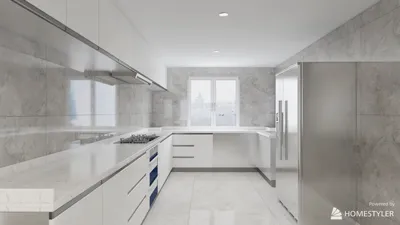
A compact shelf displaying rotating art, branded items, and a convenient refreshment area (including coffee, water, and a microwave) can create an intentional feel in a tiny office. For businesses that require a snack or preparation space, I integrate these areas into the overall flow to ensure they don’t disrupt focused work zones — envision kitchen and break areas that are woven into a unified layout: kitchen and break area plans. The key is to prevent 'personality' from turning into clutter; adopting a one-in-one-out policy can be beneficial.
save pin
FAQ
Q1: What’s the quickest trick to make a small office appear larger? Utilize light, neutral tones and minimalist furniture; incorporate a large mirror or clear lines of sight to add depth. Strategic lighting and a singular focal wall can also contribute positively.
Q2: Are living walls suitable for office environments? Definitely, provided you select low-maintenance plants and plan for irrigation or easy-to-care-for trays; these walls enhance air quality and acoustics but require adequate light considerations first.
Q3: How can I achieve a balance between storage and aesthetic appeal? Opt for concealed storage solutions near work areas along with openly curated shelving in public spaces. Modular units can provide adaptability as your requirements evolve.
Q4: Is layered lighting a must in smaller offices? Absolutely — combining ambient, task, and accent lighting helps reduce eye strain and permits the space to adapt for varied uses.
Q5: What ergonomic advice is crucial for compact desks? Focus on having an adjustable chair, a monitor positioned at eye level, and a keyboard tray where feasible. For comprehensive ergonomic guidelines, check out OSHA’s ergonomics resources (Source: OSHA, https://www.osha.gov/ergonomics).
Q6: How much should I set aside for a small refresh? Minor updates like a fresh coat of paint, a new rug, a lamp, and a couple of planters can start at just a few hundred dollars; while modular furniture can increase costs, it adds long-lasting flexibility.
Q7: Is it possible for small offices to be comfortable acoustically? Indeed; incorporate soft furnishings, acoustic panels that can also serve as art, and bookshelves to absorb sound. The layout is equally important, ensuring noisy areas are distanced from focused workspaces.
Q8: How can I explore layout possibilities before purchasing furniture? I recommend using visual case studies and design tools to test the scale and flow, ensuring that all purchases align with the room’s actual space, minimizing returns and revisions.
save pin
Homestyler is your go-to online home design platform! With its innovative design tool, stunning 3D renderings, and a wealth of DIY video tutorials, you can effortlessly create and visualize your dream space. Perfect for both beginners and experienced designers alike!
Дизайн сейчас бесплатно
































