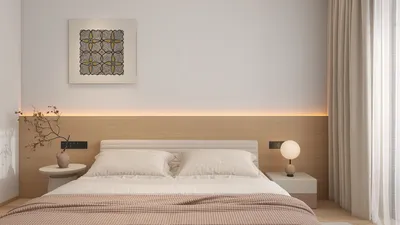


The future encroaches, and its influence is palpable on our living spaces. In smaller lots, each square inch serves as a functional directive rather than mere decoration, as the trends of remote work, multigenerational living, and delivery services converge at the entrance. Reports from AIA indicate a sustained preference for adaptable layouts, with Zillow data revealing that buyers are favoring practical storage solutions over mere size. Within this context, small lot house designs represent the foundational code for the future’s day-to-day operating system—crafted with precision through spatial reasoning tools like Homestyler.
Courtyard Spine with Split Levels
Design Logic: A narrow lot incorporates a central void, allowing light and air to flow like a backbone API, enabling compact spaces to operate beyond their actual dimensions. The future's daily routines—blending remote work and small gatherings—require layered privacy without using excess perimeter space.
Flow: Street vestibule → drop zone → split stairs → kitchen hub → courtyard deck → mezzanine study → primary suite; a streamlined pathway from public accessibility to private intimacy.
Sightlines: Diagonal views sweep under mezzanine rails to lush greenery; vertical cuts organize information like user-interface tiers: entry status, social core, retreat layer.
Storage: Stairs with drawers, soffit installations, and bench caches surrounding the courtyard serve as quick-access storage solutions; seasonal items are stored in crawl spaces above corridors.
Furniture Fit: A 72-inch island serves as a central feature, complemented by a 30x72 dining table and a modular 84-inch sofa that can be rearranged; balcony desks act as functional workspaces for brief tasks.
Verdict: This structure enhances functionality: maintaining the same footprint while increasing capacity as family dynamics shift over the years.
save pin
Rear-Load Alley House with Flex Loft
Design Logic: With vehicles relegated to the alley, the front façade transforms into a communal interface that invites both community interaction and airflow. Future logistics for deliveries will be routed to the rear, keeping the front clean and open.
Flow: Front porch → living area → pocket office → kitchen → rear mudroom/laundry → alley garage → stairs to flex loft; a dual-system catering to both people and packages.
Sightlines: Long corridors connect the porch to the garden; partial-height dividers organize visual elements so that focus isn’t overwhelmed.
Storage: Cubbies in the mudroom serve as high-frequency storage; ceiling-mounted bike racks and a tall pantry designed like a library—featuring vertical indexing and shallow shelves—maximize efficiency.
Furniture Fit: 36-inch paths for movement, 40-inch clearance for dining, wall-mounted media to optimize floor space; a murphy bed in the loft simplifies guest accommodations.
Verdict: The rear-load design ensures future resilience: public spaces in the front, logistical functions in the background, creating a smoother workflow as urban density increases.
save pin
Side-Core Rowhouse with Light Wells
Design Logic: Positioning stairs, bathrooms, and mechanical systems in a compact side core enables continuous living spaces on the opposite side. As energy standards become stricter, these compact cores minimize ductwork and heat loss—efficiency as a core design principle.
Flow: Entry point → side-core stair → continuous living-kitchen area → mid light well → upper bedrooms → rooftop micro-terrace; creating a circular flow with designated nodes.
Sightlines: Perforated risers and light wells distribute natural light and information from sky to table; subtle design elements act like navigation guides for movement.
Storage: In-wall nooks along the core, toe-kick drawers, and rooftop deck boxes provide storage solutions that are strategically placed for easy access.
Furniture Fit: Modules of 9–10 feet: a 60-inch round table avoids congestion; built-in seating minimizes waiting times; slim wardrobes align with structural elements for efficiency.
Verdict: The side core acts as a quiet optimizer—reducing mechanical noise and enhancing living clarity—prepared for five seasons and the updates that come along.
save pin
Final Takeaway
Small lot house designs should not be seen as compromises; they are sophisticated systems that convert limited land into highly functional living spaces. With innovative home layouts, alley-loaded foundations, and side-core concepts, I view rooms as software—each boundary functioning as a protocol for how mornings initiate and evenings conclude. Over the next decade, intentionality will triumph over sheer land area, as evidenced by my experiences where the smallest footprints yield the most substantial upgrades when designed precisely, utilizing resources like Homestyler.


LITTLE TREE 63" Desk, Retro Crafting, Spacious Des
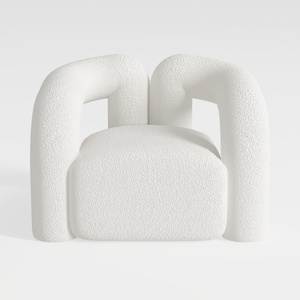
Darian Cream Modern Boucle Fabric Upholstered Acce
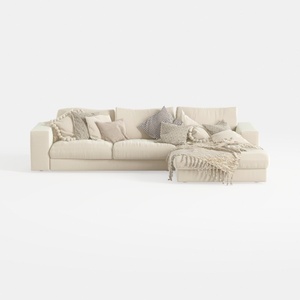
Oversized Modular Sofa, Extra Deep Cloud Chenille
Homestyler is an amazing online home design platform ideal for anyone looking to transform their space. With its user-friendly design tool, stunning 3D renderings, a wealth of design projects, and engaging video tutorials, you can effortlessly create your dream home. Start designing today!
Zaprojektuj teraz za darmo
































