

Direct Answer
Interior designers often incorporate a TV into a small living room by blending it seamlessly with architectural elements instead of treating it as a separate piece. Popular approaches include minimalist TV walls, framed or concealed televisions, and built‑in storage solutions that harmonize technology with the room's aesthetics.
In compact spaces, the objective is to minimize visual clutter while enhancing usability. Professionals emphasize wall integration, optimal viewing distance, and efficient storage to ensure the TV appears intentional rather than overpowering.
Quick Takeaways
Introduction
Arranging a television within a limited living area remains one of the most challenging design considerations. Over years of working with small city apartments and condos, a recurring challenge emerges: residents desire a chic living space, yet the TV often becomes the visual centerpiece.
The key difference between a cramped and a polished room boils down to seamless integration. Instead of merely deciding the TV’s position, expert designers evaluate how the whole wall can function cohesively.
When designing layouts, I frequently utilize tools like Homestyler to create visual plans that map furniture arrangements in small spaces. This method helps visualize movement and viewing angles, preventing the common mistake of placing the TV solely where it fits rather than where it functions best.
Below are several prevailing trends in media wall designs for small living rooms, supported by practical design reasoning.
save pin
Minimalist TV Wall Designs for Compact Areas
Key Insight: The most effective TV walls in small living rooms tend to be elegantly simple.
While many assume decorative panels or elaborate shelving are necessary, overly complex designs often make limited spaces feel congested. Contemporary interior designers favor minimalistic, architecture-focused wall treatments instead.
Why this approach succeeds:
Common minimalist techniques include:
In current projects, designers often use a single, continuous surface—such as wood veneer or natural stone—from floor to ceiling behind the TV. This ensures the screen integrates into the overall wall composition instead of standing out as an isolated dark shape.
Hidden or Framed TVs in Modern Interiors
Key Insight: There is a growing trend toward disguising televisions to make them vanish when not in use.
One significant evolution in small living room media walls is the focus on concealment. Since every visible item adds visual impact, a large black screen can dominate a compact space.
Strategies commonly used by designers include:
An interesting paradox is that hiding the TV can sometimes actually enlarge the perceived room by reducing visual contrast.
save pin
Integrated Storage Solutions Around TV Walls
Key Insight: Incorporating built‑in cabinetry around the TV contributes to a tidy and purposeful small living room aesthetic.
A frequent mistake is placing TVs atop small consoles lacking storage for cables and remotes, resulting in visible clutter that diminishes spatial perception.
Effective built‑in solutions include:
Before finalizing cabinetry, I regularly use 3D layout software like Homestyler to ensure the furniture’s scale does not hinder movement within the room.
Designers caution against poorly planned built‑ins that can make the room feel enclosed. The balance between enclosed storage and sufficient breathing space is crucial.
save pin
Design Tips for Harmonizing Decor and Screens
Key Insight: A television seldom should be the sole focus of a wall’s design.
Professionals typically soften the TV’s visual impact by surrounding it with complementary decor elements.
Simple balancing methods include:
Lighting plays a critical role. Indirect LED strip lighting behind wall panels reduces eye strain and adds depth. Recommendations from the Illuminating Engineering Society highlight that ambient bias lighting enhances evening viewing comfort significantly.
Should the TV Be the Focal Point in a Small Living Room?
Key Insight: Many contemporary interiors intentionally avoid making the television the main focus.
Traditional layouts centered the TV as the focal point, but current design favors multifunctional living spaces where conversation and visual appeal hold equal importance to entertainment.
Alternative focal points designers use include:
Here, the TV remains functional yet becomes one element among layered design features rather than the dominant centerpiece.
Real-Life Small Living Room Design Examples
Key Insight: Well-thought-out planning often outweighs mere square footage when it comes to successful layouts.
Through numerous projects in limited spaces, three layout configurations consistently deliver optimal results.
Layout ideas include:
Many homeowners first experiment with designs using interactive interior visualization software like Homestyler to test TV wall concepts. Visualizing scale, spacing, and treatments together helps avoid costly remodeling errors.
save pin
Answer Box
The most effective small living room TV designs integrate the television as part of the architectural framework. Minimalist walls, concealed screens, and built‑in storage preserve visual harmony while maximizing floor space.
Final Summary
FAQ
How do interior designers hide TVs in a living room?
Designers utilize framed TVs, sliding panels, or cabinet doors—techniques allowing the television to disappear when not in use.
What size TV is ideal for a small living room?
Most professionals recommend between 43 and 55 inches, adjusted according to viewing distance. Oversized screens often overpower limited spaces.
Is wall mounting preferable in small living rooms?
Yes; mounting the TV on the wall frees up floor area and contributes to a cleaner, more streamlined look.
Can a TV be positioned off-center?
Definitely. Designers sometimes place TVs off-center to balance other design elements like artwork, shelves, or architectural features.
At what height should a TV be mounted?
Optimal placement aligns the center of the screen with seated eye level, approximately 42 to 48 inches above the floor.
Do built‑in TV walls reduce the perceived size of a room?
Poorly executed built‑ins can make a space feel confined, but balanced shelving combined with negative space prevents heaviness.
What wall colors work best behind a TV?
Neutral mid-tones such as warm grays, taupes, or natural wood finishes help reduce glare and minimize visual contrast.
What are current trends in small living room media walls?
Minimalist wall treatments, vertical paneling, integrated lighting, and concealed storage remain dominant trends.
References
Illuminating Engineering Society Lighting Handbook
American Society of Interior Designers Residential Design Guidelines

Minimalist Tan Leather L-Shaped Sectional Sofa 3D Model


Natural Woven Rattan Square Ottoman Minimalist Boho 3D Model
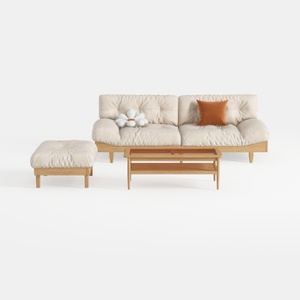
Minimalist Solid Wood Fabric Sofa Ottoman Coffee Table Set 3D Model
Homestyler is a user-friendly online platform offering powerful home design tools, stunning 3D renderings, inspiring design projects, and helpful DIY video tutorials—perfect for anyone looking to create and visualize beautiful interior spaces effortlessly.
Design Now for FREE
































