

Direct Answer
Many small living room chair layout errors occur because chairs are too large, obstruct pathways, or create visual disarray. The solution is often straightforward: select smaller chairs, maintain unobstructed movement areas, and arrange seating to encourage interaction without overcrowding the space. Homestyler can assist in visualizing these arrangements effectively.
Quick Takeaways
Introduction
Through designing numerous apartments and compact homes around Los Angeles, I've observed a recurring trend: the most frequent small living room chair layout issues rarely involve the sofa but rather the accent chairs.
Adding one or two stylish accent chairs often makes a room feel cramped, awkward, and harder to navigate. Usually, the problem lies not in the furniture itself but in how it is positioned.
When reviewing layouts with clients, I begin by mapping seating positions with digital tools that simulate real walking paths. Even a simple test using 3D visualization platforms like Homestyler can reveal why a chair that seemed perfect in-store feels overwhelming in a small living room.
This guide explores the most typical layout mistakes found in actual projects and provides practical solutions that instantly make small living rooms feel more open and functional.
save pin
Why Chairs Often Make Small Living Rooms Feel Crowded
Key Insight: Chairs tend to feel more intrusive than sofas in limited spaces because they break sightlines and impede circulation.
Design professionals sometimes refer to chairs as "visual blockers." Unlike sofas that hug walls or frame the room edges, accent chairs often float within open areas. Poor placement can segment the room into awkward zones.
Three main factors usually contribute to this issue:
In rooms smaller than 200 square feet, even a single misplaced chair can significantly reduce the perception of spaciousness. The National Association of Home Builders highlights how critical clear circulation and unobstructed sightlines are to a room’s perceived size.
Mistake: Oversized Accent Chairs in Compact Spaces
Key Insight: The most typical small living room chair mistake is opting for chairs that are too deep and bulky.
Many accent chairs on the market today are intended for large, open-concept living rooms. Their seat depths often reach 36 to 40 inches, which can dominate smaller areas.
In smaller spaces, aim for dimensions like:
One tip I suggest is swapping traditional club chairs for slimmer alternatives:
These choices retain comfort while cutting down on visual weight by removing unnecessary bulk.
save pin
Mistake: Obstructing Natural Traffic Flow With Seating
Key Insight: If people need to navigate around a chair to move through the room, the arrangement isn’t supporting good flow.
In good design practice, circulation zones are prioritized before furniture placement. Many homeowners incorrectly place chairs first and discover traffic patterns afterward.
A well-designed layout typically preserves at least 24 to 30 inches for clear walking paths.
When assisting clients, I often use visual planning software like Homestyler that simulates movement through spaces, quickly highlighting when a chair intrudes into natural circulation routes.
Simple adjustments include slightly repositioning chairs or choosing more streamlined seating.
These minor tweaks can instantly restore natural flow and ease of movement.
Fixing Visual Clutter With Strategic Chair Placement
Key Insight: The objective is not necessarily fewer chairs but fewer competing visual focal points.
A common misconception is that removing chairs is the only method to open a small living room. More often, thoughtful placement offers a better solution.
Try grouping chairs and sofas into cohesive zones, such as:
This strategy consolidates furniture visually, creating one functional seating area rather than scattering pieces and adding clutter.
save pin
Quick Layout Tweaks That Expand Space
Key Insight: Moving a chair only a few inches can transform how spacious a room appears.
When resolving cramped arrangements, I typically start with:
These small changes reduce visual competition among furniture and help reestablish balance.
save pin
Answer Box
The quickest way to correct small living room chair layout mistakes is to safeguard walking routes, decrease chair size, and unify seating into one conversational cluster. Even minor moves—like angling a chair or sliding it slightly—can make a significant difference in perceived space. Tools like Homestyler enable you to preview these changes digitally before furniture is moved.
Can Technology Help You Test Chair Layouts Before Rearranging?
Key Insight: Digital visualization can help avoid costly furniture misplacements.
Many interior designers now rely on software that simulates room layouts prior to installation.
These platforms allow users to:
Experimenting with AI-powered interior layout previews, such as those available on Homestyler, lets you identify arrangements that open up a space without moving heavy furniture physically.
Final Summary
FAQ
Why do accent chairs make a small living room feel crowded?
Accent chairs often disrupt walking paths and line of sight, making the area feel more confined.
What size chair works best in a small living room?
Choose chairs under 30 inches in width, with shallow seat depths and exposed legs to minimize visual bulk.
How many chairs should a small living room typically have?
One or two chairs are ideal; adding more can interfere with circulation.
Should chairs be placed against walls in small living rooms?
Not always; pulling chairs slightly away from walls can improve balance and enhance conversational flow.
What is the biggest small living room chair layout mistake?
The most frequent error is positioning chairs directly in natural traffic pathways.
How do I fix a cramped seating area?
Reduce chair dimensions, rotate seating angles, and ensure at least one clear walking path is preserved.
Can swivel chairs benefit small living rooms?
Yes, swivel chairs provide flexible seating without requiring a lot of clearance space.
How do designers test chair placement before buying furniture?
Many use digital room planners and visualization software like Homestyler to assess layout and spacing prior to purchase.
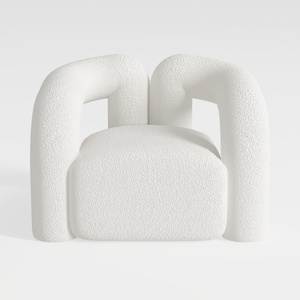
Minimalist Boucle Fabric Armchair Modern Unique Design 3D Model

Minimalist Boucle Fabric Accent Chair 3D Model
Homestyler offers an easy-to-use online home design tool packed with realistic 3D renderings, inspiring design projects, and helpful DIY video tutorials. It’s perfect for anyone looking to create and visualize their ideal interior space effortlessly.
Desain sekarang Gratis
































