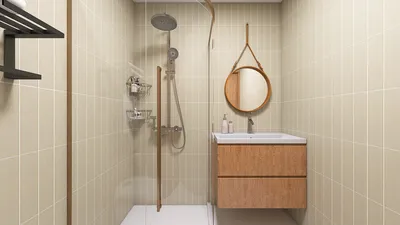


There was a time when a client of mine envisioned having a washer nestled behind a sliding bookshelf — quite an unconventional idea, right? This unique concept nearly taught me the art of crafting a hidden laundry space, yet the most valuable lesson was recognizing that even the smallest limitations can ignite immense creativity. The image of that bookshelf continues to inspire me, and I often include a preview of "realistic 3D renderings" in my presentations to help clients visualize how playful ideas can effectively materialize.
1. Stack and Stall: Vertical Stacking with Open Shelves
One of my favorite methods is to stack a front-loading washer atop a dryer, utilizing the vertical space above for open shelving. This approach minimizes the overall footprint while maximizing storage capacity, resulting in a visually appealing solution. However, it's important to note that accessing the top shelf will require a step stool, and careful planning must be done for proper ventilation. This option is both budget-friendly and visually impactful.
save pin
2. Fold-down Counter: Your Instant Folding Station
A wall-mounted fold-down counter is my go-to solution for clients who prefer a clutter-free environment. You can lower it for folding and ironing and lift it up to reclaim floor space. I once crafted a compact counter using a reclaimed butcher block, which offered a stylish yet economical solution. Keep in mind that you'll need to consider weight limits and ensure the quality of the hardware, so it’s wise to budget for robust brackets.
save pin
3. Hideaway Hampers and Pull-out Solutions
Incorporating built-in hampers that slide into cabinetry instantly enhances the cleanliness of the space. Typically, I couple these with pull-out detergent organizers to maintain order. The main challenges lie in plumbing and cabinet depth; I frequently illustrate this in plans and refer to detailed examples of floor layouts to ensure there’s enough clearance before ordering custom cabinetry.
save pin
4. Drying Smart: Wall-mounted and Over-door Dryers
Wall-mounted drying racks or retractable lines prove invaluable in compact living spaces — they can be folded away and efficiently dry clothes. I had a small apartment project where an over-door drying rack allowed us to avoid a cumbersome dryer vent installation. Just remember to consider airflow and humidity control; pairing with a quality fan or dehumidifier can make a significant difference.
save pin
5. Multi-use Machines and Efficient Zones
Opting for a combo washer-dryer or compact units frees up valuable space for a small sink or storage tower. I often design a compact L-shaped service area that includes machines, a sink, and a slim cabinet for supplies. This layout is both efficient and functional, and when clients seek visual references, I direct them to effective layout ideas that translate beautifully into laundry nooks. However, bear in mind that combo machines may operate slower, and repairs could be more costly, so it's important to weigh convenience against long-term expenses.
save pin
FAQ
Q1: What’s the best washer type for a small laundry room?
I often advise choosing a front-loading washer or a stacked pair of front-load units for optimal space efficiency. In extremely tight quarters, a washer-dryer combo can offer maximum versatility, but it may involve compromises in terms of cycle time and capacity.
Q2: Can I install a laundry sink in a tiny space?
Absolutely — compact sinks or corner troughs can work wonderfully. It’s best to plan the plumbing before installing cabinets; sometimes, adjusting a water line by just a few inches can vastly improve functionality.
Q3: How do I manage humidity in a small laundry room?
Utilize a vented dryer or ensure proper ventilation (ideally venting outside). You might also add a small exhaust fan or implement a dehumidifier in particularly constrained spaces to prevent mold and odors.
Q4: Are combo washer-dryers worth it?
They can be an excellent choice if you want a space-saving solution for both washing and drying, but they tend to be slower and may incur higher maintenance fees. For many city apartments, the benefits of saved space often outweigh these downsides.
Q5: What budget-friendly upgrades have the best ROI?
Inexpensive upgrades like open shelving, a fold-down counter, and improved lighting can be transformative. Additionally, painting with a durable semi-gloss white can enhance the space’s visual size without breaking the bank.
Q6: How high should wall shelves be above the washer?
Shelves should be positioned high enough to accommodate the washer lid or door swing, typically 18–24 inches above the machine surface. Heavy items should be kept lower for ease of access and safety.
Q7: Can I stack different-brand machines?
This is only advisable if the manufacturers permit stacking with approved kits; using mismatched units can lead to instability. Always adhere to the manufacturer guidelines and consult a professional installer if in doubt.
Q8: Where can I find design rules and ventilation specs?
To gather insights on appliance ventilation and energy efficiency, reputable resources such as ENERGY STAR offer specifications and best practices for dryer venting and overall machine effectiveness.
save pin
Discover the ease of home design with Homestyler! This intuitive online platform offers a powerful design tool, stunning 3D renderings, an array of design projects, and helpful DIY video tutorials. Whether you're a beginner or a seasoned pro, bring your vision to life effortlessly!
Design Now for FREE
































