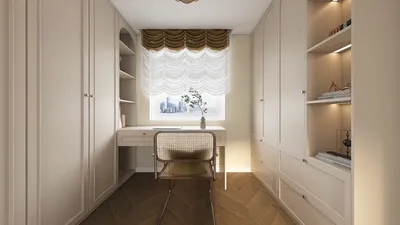


I once had a client who wanted their compact galley kitchen to shine like a Broadway show with extravagant lighting — think chandeliers and spotlights. We had a good laugh, and I opted for a more layered lighting approach that created an illusion of space, making the kitchen feel significantly larger. When dealing with small areas, intelligent design choices are essential; this is where true creativity emerges. To spark ideas, I frequently utilize room planning examples that showcase how Homestyler can help clients visualize their options.
1. Recessed lighting for a clean, open ceiling
Recessed downlights contribute to the perception of a seamless ceiling, effectively elevating the room's feel. I prefer spacing adjustable LED fixtures on a grid to eliminate shadows over preparation areas — the downside is a slightly higher cost for installation and the necessity of planning electrical circuits.
save pin
2. Slim linear fixtures above the work triangle
Sleek linear LED lights positioned above sinks and stoves offer focused task lighting without obstructing views. These fixtures are budget-friendly and contemporary; however, it’s important to be mindful of glare — opting for frosted diffusers or placing them slightly out of direct line of sight can help mitigate this.
save pin
3. Combine under-cabinet strips with ceiling layers
Under-cabinet LED strips eliminate shadows on countertops while allowing ceiling lights to serve as ambient sources. Pairing these strips with dimmable ceiling fixtures ensures a cozy atmosphere in the evenings; this upgrade is straightforward, but you might prefer hiring an electrician to conceal wiring for the best visual presentation. If you’re considering a complete layout redesign, using kitchen layout inspiration from Homestyler can help you understand how the lighting zones will work alongside cabinets and islands.
save pin
4. Use small pendants to add personality without bulk
A single slender pendant or a grouping over a small island can serve as an eye-catching feature while providing direct illumination. I once installed three petite blown-glass pendants above a six-foot breakfast bar, and my clients adored the whimsical touch, although we had to be careful with height selection to prevent head bumps.
save pin
5. Smart dimming and color temperature control
Dimmable LEDs with adjustable color temperatures allow for a transition from bright white task lighting to warm, soothing tones ideal for dinner. While this requires a higher initial investment and compatible switches, the adaptability offered is well worth it for a versatile small kitchen. To give clients a preview of light and shadow before fixture selection, I sometimes use 3D floor visuals created through Homestyler.
save pin
Tips 1:
Budget-smart: Begin with energy-efficient LEDs and prioritize essential task lighting. You can always incorporate ambient or decorative fixtures later. A practical suggestion: stick with warm whites (2700K–3000K) for a cozier feel, saving cooler temps for kitchens focused heavily on tasks.
save pin
FAQ
Q1: What ceiling lights are best for a small kitchen?
For small kitchens, a combination of layered lighting is ideal: recessed ambient fixtures, plus task lighting (such as under-cabinet or linear LEDs), with an optional petite pendant for added character. This arrangement strikes a perfect balance between functionality and scale.
Q2: How many recessed lights do I need?
As a rule of thumb, divide the ceiling height by two for the ideal spacing in feet (e.g., for an 8 ft ceiling, aim for ~4 ft intervals), ensuring that task areas receive dedicated illumination. The precise number will depend on light output (lumens) and the fixture's beam angle.
Q3: Is under-cabinet lighting worth it?
Definitely — it reduces shadows on countertops and enhances safety during food preparation. LED strips are low-profile, energy-efficient, and relatively simple to install.
Q4: What color temperature should I choose?
Warm white (2700K–3000K) creates a cozy atmosphere for everyday use; 3000K–3500K is suitable for bright kitchens geared towards preparation. Tunable white fixtures offer the most versatility for both tasks and ambiance.
Q5: Can I install dimmers with LED ceiling lights?
Yes, but opt for dimmer switches that are compatible with LED drivers and fixtures to avoid flickering issues. Many modern LEDs specify compatible dimmers in their product documentation.
Q6: How bright should the kitchen be?
Task areas generally require approximately 300–500 lux on work surfaces. According to Illuminating Engineering Society (IES) guidelines, countertop task lighting should fall within this range to ensure safe and comfortable food preparation.
Q7: Do pendant lights make a small kitchen feel crowded?
Slim, small pendants can add visual interest without crowding the space if chosen wisely — select narrow designs and hang them at correct heights to maintain openness.
Q8: Where can I preview lighting layouts before buying?
Using design platforms and 3D mockups, like those offered by Homestyler, you can visualize lighting effects and fixture dimensions prior to purchase; this approach minimizes returns and simplifies installation decisions.
save pin
Discover the magic of home design with Homestyler! This user-friendly platform offers an innovative online design tool, stunning 3D renderings, and a wealth of DIY video tutorials. Whether you're a beginner or a seasoned designer, Homestyler makes it easy to turn your vision into reality.
今すぐ无料でデザイン
































