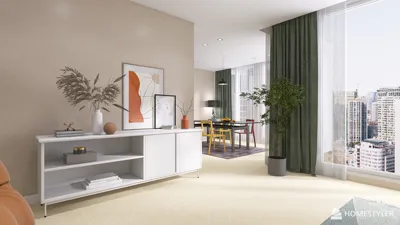


When I design a small house elevation, I treat it as a focused exercise—every detail must serve a purpose. The façade not only establishes the character of the home but also influences the lighting and the ambiance within, even before entering. In the context of compact homes, the front elevation acts as a functional canvas: it should enhance perceived spaciousness, optimize natural light, ensure privacy, and convey a distinct identity through subtle yet striking design elements, often enhanced by tools like Homestyler.
Prioritizing Performance: Light, Proportion, and Comfort
Natural light plays a crucial role in effective elevations, and mastering its incorporation leads to significant internal benefits. According to WELL v2, having access to daylight and views is essential for enhancing occupant health and happiness (as outlined in the WELL Light concept). Ideal task areas should receive daylight levels ranging from 300 to 500 lux when possible. The Illuminating Engineering Society (IES) suggests that glare should be managed through the proper design of windows, shading options, and balanced illumination, ensuring comfortable visibility at eye level. For a small façade, this means precisely sizing windows, designing exterior shading features, and selecting glass types that maximize light while preventing glare or uneven brightness inside—something that can be planned using Homestyler.
From a behavioral perspective, colors on the façade influence expectations. Research by Verywell Mind indicates that cooler colors evoke serenity and a sense of space, while warm hues foster energy and friendliness. A compact house featuring a muted palette (stone-gray, soft sand, or off-white) paired with a single warm-colored door can create an illusion of larger space while preserving unique character.
Strategic Composition: Illusions of Width and Vertical Harmony
I utilize proportions to create an illusion of scale. Elements like horizontal lines from eaves, sleek ledges, or continuous planters guide the eye across the façade. When faced with a narrow plot, establishing a balanced vertical rhythm is key: combining a primary entry door with a tall, slender window and an additional stacked opening can create an impression of height. Consistency in reveals and alignments is essential; erratic joints can result in a cramped appearance for small elevations.
If the site allows, consider micro setbacks and shallow entries. A 16–24 inch recessed doorway combined with soffit lighting adds dimension and shadow play, which helps visually thicken the wall. For optimizing window-to-wall ratios, an interior layout planner can assist in matching openings with rooms that require natural light and privacy, allowing for seamless integration of exterior and interior elements, easily modeled in Homestyler.
Material Choices: Slim Profiles and Authentic Textures
With limited space, utilizing thin yet substantial materials can profoundly impact the design. Vertical fiber-cement siding or thermally treated wood slats introduce texture without bulk. Applying limewash to masonry can soften light reflections and disguise minor blemishes—ideal for older homes. It’s wise to limit your material palette to two main types plus one accent to avoid visual chaos. Additionally, consider using thermally broken frames and durable finishes; the elevation should stand the test of time and the elements gracefully.
Creating a Light Environment: Daylight, Color Tone, and Glare Management
Exterior lighting should not only enhance safety but also elevate ambiance. For entry areas, strive for a warmth in the lighting spectrum of 2700–3000K, steering clear of harsh blue or white lights. Shielded light sources can minimize upward glare while remaining considerate of neighboring properties. Internally, plan for window placement that optimizes vertical light distribution; aligning glazing at eye level helps reduce contrast and visual strain, an approach recommended by IES for achieving balanced brightness. Implementing simple features—like matte surfaces near windows, light shelves on south-facing exteriors, and adjustable shades—increases comfort without overcomplicating the design.
Doors and Windows: Proportionality, Privacy, and Ventilation
Position the front door as a focal point: opt for clean lines, simple hardware, and a single pane of frosted glass for added privacy. It’s effective to have window units in two sizes: a larger window for the primary living space and a smaller vertical one for ventilation. Transoms can enhance the perception of height without enlarging the glass area excessively. Maintain minimal grids; overly complex divisions can diminish the sense of scale.
Color Psychology: Subtle Adjustments, Significant Impact
I leverage color to create depth perceptions. Utilize a lighter primary exterior combined with a slightly darker base (1–2 shades on a neutral scale) to ground the structure and avoid the appearance of floating. A contrasting door alongside understated metal features—like railings or house numbers—offers striking accents. Verywell Mind's insights into color psychology support the use of calming shades like blue-gray for larger areas, complemented by warm accents in terracotta or brass for an inviting touch.
Acoustic and Thermal Comfort in Facade Design
Even in serene neighborhoods, façades contend with external noise and temperature fluctuations. Laminated glass can substantially diminish outside noise compared to conventional glass, while door seals provide a cost-effective solution for enhanced comfort. Implementing shading solutions—like brise-soleil, canopies, or deep trim—can reduce solar heat gain and maintain stable interior climates, reinforcing livability in compact designs where buffer zones are minimal.
Architectural Entrances: Functional Thresholds
A small porch or canopy serves a dual purpose: protecting entries from weather and defining the arrival experience. A width of 900-1100 mm at the entrance feels inviting without overwhelming a slender façade. Adding planters or a narrow bench flanking the entry enhances human scale. Consider integrating a recessed mailbox and house numbers into the trim to maintain a clean aesthetic. Positioning path lights at low-glare levels (below 1000 lumens, shielded) ensures safety without overpowering the entryway's character.
Sustainable Choices: Small Houses with Big Impact
Emphasize durability: fewer materials of superior quality. Utilizing locally sourced bricks or FSC-certified woods lessens embodied energy and enhances reparability. Positioning operable windows for cross-ventilation—particularly in temperate regions—can alleviate the need for air conditioning. Employing a decorative rain chain along with a gravel splash zone can transform downspout management into a visually appealing element while mitigating erosion at the base.
Design Trends for 2024–2025
Contemporary small-house façades lean towards calm, monolithic shapes complemented with finely detailed elements such as shadow gaps, slender edge profiles, and concealed drainage systems. Dark hardware paired with light surfaces remains in vogue, similar to integrating micro-greening solutions such as climbing frameworks and narrow planters within railing designs. Anticipate an increase in adaptable shading strategies, with movable screens aligning with seasonal and privacy requirements.
Integrating Layout Considerations
Outstanding façades begin with careful planning. Align window centers with seating areas instead of circulation paths to prevent glare while providing valuable views. For quick iterations, using an interior layout planner or a room design visualization tool enables you to evaluate furniture and wall placements, ensuring that the design apertures effectively serve real functions, rather than mere symmetry.
Checklist for Small House Elevation
- Create a strong horizontal datum and a clear focal point (such as the door or a feature window).
- Limit your material selection to two primary types and one accent.
- Manage glare through shading solutions, matte surfaces, and balanced window heights.
- Ensure warmth at the entry using 2700-3000K lighting; shield the sources appropriately.
- Employ color techniques to visually enhance width (a lighter field with a darker foundation) along with a single warm accent.
- Include micro greenery for softness and increased privacy.
- Keep accessory placements integrated: mailbox, home number, and intercom should fit within trim lines.
- Test the elevation design against the interior layout early on to prevent misalignments in openings.
References and Insights
I consistently refer to guidelines from WELL v2 regarding daylight access and visual comfort, alongside IES standards for glare management and luminosity balance. My color selections draw from accessible psychology resources that elucidate how hues correlate with perceived space and emotional response.
Frequently Asked Questions
Q1: How can I visually widen a narrow front elevation without making structural changes?
A: Introduce a continuous horizontal line—such as an eave or a slim planter—while maintaining the alignment of vertical elements. A light main color with a richer base can also enhance the feeling of width.
Q2: What window sizes are optimal for petite façades?
A: Ideally, feature one prominent living window that reflects the room’s purpose, along with a secondary vertical slot for freshness. Avoid clustering numerous small panes; fewer large openings with simple framing contribute to a more tranquil appearance.
Q3: How can I effectively manage daylight and glare at the entry?
A: Combine a recessed entrance (16–24 inches) with low-glare warm lighting (2700–3000K) and external shading options. Adhere to IES recommendations for balanced lighting to mitigate eye fatigue.
Q4: Which exterior colors enhance the perception of space?
A: Use muted, cool neutrals (like soft grays or pale blue-grays) to create a sense of volume, and include a warm accent—such as on a door or hardware—to add contrast and warmth, in line with color psychology principles.
Q5: What materials convey a premium feel without overwhelming a small façade?
A: Opt for thin cladding materials like fiber-cement battens, thermally treated woods, and limewashed masonry. Stick to a combination of two main materials and one accent to achieve a cohesive look.
Q6: How can I alleviate street noise for better acoustic comfort?
A: Choose laminated windows for the front elevation and ensure door seals are effective. Adding dense planting at the property line can provide a natural sound barrier without intensive construction.
Q7: Are there eco-friendly enhancements that improve curb appeal?
A: Use FSC-certified woods, locally sourced masonry, operable windows to encourage airflow, and aesthetic rain chains paired with gravel splash pads—practically enhancing durability while looking refined.
Q8: What’s an effective lighting strategy for small elevations?
A: Install a single shielded sconce at the entry, subtle pathway lights, and forgo uplighting. Warm tones maintain a welcoming ambiance; high-lumen floodlights can wash out textures.
Q9: What design details enhance the impact of the front door?
A: A clean slab or panel door, simple hardware, and a frosted glass sidelight create an impactful entryway. Incorporating house numbers and a mailbox into the trim supports a tidy, sophisticated exterior.
Q10: How should I align windows with the needs of the interior?
A: Identify seating and functional areas, then position windows to serve these purposes. A layout simulation tool can visualize furniture arrangements alongside elevation openings to avoid misalignment.
Q11: What entry dimensions project spaciousness in a small house?
A: Providing a clear width of around 900–1100 mm at the threshold, combined with modest recess and soffit lighting, balances comfort with compact design.
Q12: How can I choose exterior fixtures that remain timeless?
A: Opt for simple yet durable designs, utilizing finishes like blackened stainless or anodized aluminum, with concealed mounting. Timeless shapes endure changing trends.
What began as an Autodesk innovation has evolved into a design platform used by more than 18 million people around the globe. Homestyler combines powerful rendering, an intuitive editor, and a vast furniture library to help you turn inspiration into photorealistic designs — whether you're redesigning a single room or planning an entire home.
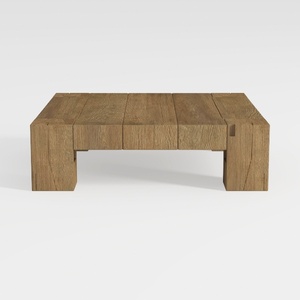
Rustic Solid Oak Wood Coffee Table Minimalist Living Room 3D Model
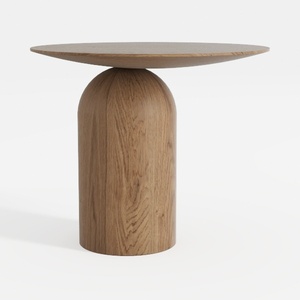
Minimalist Solid Oak Round Side Table 3D Model


Modern Japandi Solid Wood Rattan Coffee Table 3D Model
Looking to revamp your home? Homestyler is your go-to online design tool! With stunning 3D renderings, inspiring design projects, and easy-to-follow video tutorials, it empowers anyone to create beautiful spaces effortlessly. Start designing your dream home today!
Desain sekarang Gratis
































