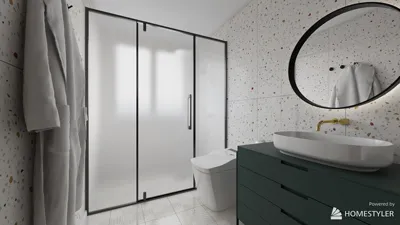


Once, a client asked me to fit a full-service salon into a compact 9 m² corner of their apartment, and then proposed incorporating a nap nook for clients. I chuckled, sketched an unconventional plan, and appreciated how small spaces can inspire innovative ideas. These tight confines often stimulate creative solutions, leading to some of my best techniques, such as using mirrors to visually enlarge the space and employing lighting to establish distinct zones.
In this article, I will present five practical ideas for setting up a small home salon that I have effectively implemented in actual projects. This includes layout suggestions, cost-effective finishes, and a few compromises you may encounter. For specific examples of layouts, refer to the detailed plans I utilized to visualize compact setups from the outset.
1. Micro-Zoning: Ensure every inch is optimized
I enjoy creating a multifunctional plan within a limited area: reception, cutting station, a rinsing area, and storage. A slim console that also serves as a product display can work wonders for reception; behind it, a translucent divider maintains an open yet defined look. This arrangement promotes efficiency and provides a tidy experience for clients; however, it requires strict organization — I suggest built-in cabinets to conceal any mess.
save pin
2. Reflective Strategies: Utilizing mirrors to multiply space
Large mirrors serve more than just a beauty purpose; they can significantly enhance depth perception and illuminate dim corners. Once, I transformed a windowless nook by positioning a tall mirror opposite a lamp, instantly brightening the area and accommodating two styling chairs. While mirrors can show smudges and need regular cleaning, the visual benefits generally outweigh the extra maintenance.
save pin
3. Flexible Furnishings: Choosing foldable and mobile solutions
Opt for a mobile styling station or a fold-down shampoo shelf, allowing the space to adapt to different services and events. I frequently prototype layouts to evaluate turning radii and clearances — this approach is often inspired by kitchen workflow design, which helps to organize salon tasks by sequence instead of by product type. The trade-off may be a higher initial investment for modular pieces, but the reward is durability and multifunctionality.
save pin
4. Lighting Layers: Warm task lights and inviting fill lights
Effective lighting conceals imperfections and enhances client appearance. Pair warm LED sconces at face level with adjustable task lighting for meticulous cutting work. I recommend using dimmable fixtures to adjust the ambiance between day and evening appointments; the slightly increased cost of layered lighting can dramatically enhance photographs and bolster client comfort.
save pin
5. Vertical & Wet Zone Utilization: Optimizing wall space and mini-wet areas
In limited floor spaces, think vertically — open shelving, hanging rails, and pegboards can help organize tools effectively. If space allows, designate a small wet zone for rinsing, ideally positioned near plumbing to minimize renovation expenses; I often group styling and rinsing functions together and unify finishes for a cohesive look. To gain insights on compact wet solutions and finishes, I frequently reference bathroom styling examples, drawing inspiration from durable materials and waterproofing techniques. However, keep in mind plumbing constraints and ventilation requirements — planning these aspects early is crucial.
save pin
FAQ
A single stylist station featuring a chair and compact reception can efficiently function in an 8–10 m² area if designed thoughtfully. It is important to allow extra space for circulation and some storage to prevent clients from feeling cramped.
Zoning regulations differ by location: many cities necessitate home business permits and have stipulations regarding plumbing, waste disposal, and client traffic. Always verify local zoning regulations before undertaking a construction project.
For optimal lighting, utilize warm (2700K–3000K) ambient light along with neutral task lighting (3500K–4000K) at face level to avoid color distortion. Dimmable LED lights provide the versatility to create flattering hues for both photography and work tasks.
Proper ventilation is vital: install an exhaust fan and consider a dedicated air exchange system if you plan to use permanent chemical treatments. The EPA offers guidelines on indoor air quality and ventilation standards tailored for small commercial and home-occupancy environments (see EPA — Indoor Air Quality for further information).
Select wood-look laminates, porcelain tiles for high-traffic areas, and matte acrylic or solid-surface countertops. Intelligent lighting choices and standout finishes (like mirror frames and brass hardware) can elevate the environment without overspending.
Water-resistant and easy-to-clean flooring options such as vinyl plank or porcelain tile are optimal; they can withstand spills and require minimal upkeep. Although area rugs enhance warmth, it’s best to avoid placing them near rinsing stations.
Implement consistent color schemes, reflective surfaces, vertical storage, and clear sightlines to create an illusion of spaciousness. Strategically placing a large mirror across from light sources is one of my swiftest visual tricks.
Absolutely — modular and wheeled furniture offers flexibility and can future-proof your layout against varying services or an increase in staff. While the initial expenditure might be higher, this adaptability ultimately pays dividends by maximizing the efficiency of a compact space.
Homestyler is your go-to online home design platform! With an easy-to-use design tool, stunning 3D renderings, and a wealth of DIY video tutorials, you can effortlessly create and visualize your dream space. Start your design journey today and transform your home with creativity!
Concevez maintenant gratuitement
































