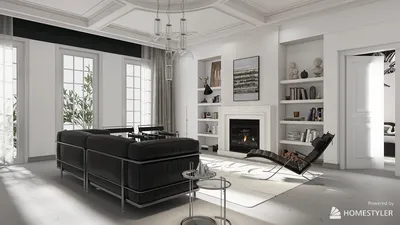


When considering ideas for decorating small entryways, many sources recycle the same standard suggestions: incorporate a mirror, add a mat, and call it minimalist. My perspective takes a different route, emphasizing the importance of behavioral cues and effective flow management. Your entryway isn't merely a threshold; it plays a significant role in shaping daily routines and first impressions while tackling clutter before it accumulates. For limited spaces, the key distinction lies not in what you include, but rather in what you thoughtfully remove or reconfigure for multifunctionality. Instead of relying solely on appearance-focused tips, I utilize layout psychology and clever organization strategies to ensure that your entryway performs just as beautifully as it appears, with the help of tools like Homestyler to visualize these improvements.
Compact entryways wield considerable influence over the overall feel and functionality of your home. The challenge extends beyond simply fitting a console table and mirror; it involves understanding how space, movement, and ambiance interplay—particularly in small areas of less than 40 square feet, where clutter can quickly dominate. Unlike other advice that fixates on quick fixes, I devise solutions centered around behavior—how do you drop your keys, manage shoes, and greet visitors? These are the pain points where entryway issues often originate. Through my experience as an interior designer, I've observed that a smart layout combined with subtle decor adjustments can dramatically enhance how you start and end your day. Additionally, with AI tools like Homestyler, you can safely explore various entryway designs in 3D before making any commitments. Are you ready to create a more inviting entryway?
How Can You Optimize Visual Space in a Tiny Entryway?
While many designers recommend simply adding mirrors, I have discovered that effective sight line management is crucial. Arranging wall-mounted storage vertically and selecting slender furnishings can create an illusion of depth. Incorporating adjustable shelves positioned above eye level and using glass accents can also promote a sense of openness. Research from HGTV indicates that emphasizing vertical lines and maintaining clear pathways can enhance the perception of space by up to 30%—but this is only effective when the floors remain neat and uncluttered.
What Storage Solutions Actually Work for Small Entryway Decor?
Unlike traditional entryway decor tips that typically depend on baskets or trays, I suggest built-in solutions disguised as design elements. Features such as floating shelves with hidden hooks, benches with lift-top space, and wall-mounted cubbies serve multiple purposes, accommodating shoes, bags, and mail without unnecessary bulk. According to a Statista survey from 2023, over 67% of homeowners opt for dual-purpose furniture in tight layouts. Behavioral design involves asking what function each item serves and how it can contribute more effectively.
Is It Feasible to Merge Style and Function in Small Entryway Decor?
From my expertise as a designer, the prevalent mistake is assuming that style and functionality are mutually exclusive. You can combine a striking sconce with practical wall hooks or introduce a decorative runner that also minimizes dirt from shoes. Unlike most guides, I emphasize calm color schemes that showcase one or two standout pieces—less visual clutter creates greater impact in confined spaces.
Why Is Lighting So Crucial in a Compact Foyer?
However, statistics reveal that over 80% of small entryways feel cramped not because of their square footage, but due to inadequate or poor lighting (Houzz, 2022). Implementing layered lighting solutions—such as overhead pendants accompanied by small accent lamps or LEDs—can draw the eye upward and illuminate dark corners. Thoughtful placement can significantly improve the welcoming atmosphere while enhancing storage areas. To previsualize the effects of lighting changes, consider using a digital 3D entryway planner like Homestyler.
What Decor Pitfalls Should You Steer Clear of in Small Entryways?
Many guides suggest over-accessorizing with a plethora of hooks, bowls, and prints. Instead, I recommend minimalism: limit surfaces, choose open bases, and keep pathways clear. Avoid bulky furniture or complex shoe racks that can lead to chaos. A well-curated entryway radiates tranquility—essential for transitioning from outside to inside.
How Does Traffic Flow Impact Entryway Design Choices?
While most individuals decorate for aesthetics, I design with traffic flow in mind. Reflect on your direct route from the door to your living space: Is it obstructed by a console? Are shoes blocking the way? Streamlined storage and appropriately sized rugs can facilitate movement. According to NAHB research, an efficient flow in entryways can save 8-10 minutes per week, lost to clutter.
Can Small Entryways Exude Coziness Instead of Feeling Claustrophobic?
Unlike many design blogs that dismiss coziness as synonymous with clutter, my approach demonstrates that you can achieve both. Use warm, inviting textures—think woven baskets, cozy throws on minimalist benches, or soft wall paint in light hues. A nature-inspired element, such as a live plant, can ground the space emotionally, creating an intentional atmosphere.
What Is the Significance of Personalized Touches in a Small Entryway?
From my experiences, I've observed that personalized elements—such as a vintage mirror, an art piece, or custom key hooks—can bring joy and functionality. Avoid generic designs and foster a welcoming routine: a designated space for daily essentials or a gallery wall filled with family photos above a utility bench. In compact areas, intentional design choices carry meaningful weight, establishing the desired ambiance every time you enter.
Answer Box
To optimize a small entryway, concentrate on vertical storage, behavioral patterns, and layered lighting. True transformation stems from multifunctional selections and mindful decluttering—far beyond superficial decor adjustments, these enhancements influence daily habits and overall mood.
FAQ
Want to visualize the possibilities for your new entryway? Use Homestyler to create a customized layout before purchasing any new furnishings.
Homestyler is your go-to online platform for transforming home design dreams into reality. With its user-friendly design tool, stunning 3D renderings, a wealth of inspiring design projects, and informative video tutorials, you can easily create and visualize your perfect space—no experience needed!
Concevez maintenant gratuitement
































