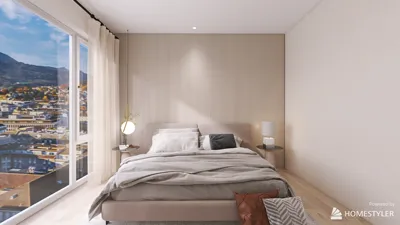


When I design small drawing rooms, I apply the same meticulous approach I use for challenging workplace lounges: every detail matters, and comfort is essential. In compact living spaces, an effective layout, adequate lighting, and intelligent material choices can transform a cramped room into a welcoming and tailored environment. Using tools like Homestyler helps visualize these elements.
Establishing a Foundation for Comfort Based on Data
The perception of space in a small room is heavily influenced by light and seating. The Illuminating Engineering Society (IES) suggests aiming for about 150–300 lux for living areas as this minimizes glare while encouraging reading and conversation. I generally aim for the lower end of this range, incorporating warm lighting layers while making sure task lighting is adequately bright when needed (source: ies.org/standards). Additionally, color strategies play a pivotal role; research in color psychology indicates that lighter shades can enhance the feeling of openness, while carefully positioned accents introduce vibrancy without overwhelming the visual experience (source: verywellmind.com/color-psychology). Homestyler can also assist in planning and selecting appropriate colors.
Initiate With a Straightforward Layout
In small spaces, a defined circulation path—an uninterrupted line from the entrance to seating—is crucial to prevent movement from conflicting with furniture placements. I focus on placing seating against one long wall, utilizing a small area rug, while maintaining a clear pathway of 30–36 inches. For effective visual planning and to simulate layouts before purchasing, tools like Homestyler offer extraordinary layout simulation capabilities without the guesswork.
Prioritize Seating Scale Over Comfort
Select compact sofas between 72–78 inches or a sleek two-seater settee, paired with an armless lounge chair to retain flexibility in seating arrangements. Ottoman-coffee tables are practical, serving as footrests by night and surfaces by day. It's essential to keep seat heights uniform (16–18 inches) for comfort during transitions. In tighter spaces, I avoid oversized roll arms and deep tufting, favoring clean lines that subtly recede while textiles add warmth.
Layering Lighting to Avoid Clutter
In a small drawing room, lighting should feature three distinct layers: ambient, task, and accent. I typically install a ceiling fixture alongside two asymmetrical task lights—a floor lamp positioned behind the sofa and a swing-arm wall sconce near the reading chair. Aim for approximately 200 lux of ambient light with a 2700–3000K color temperature, boosting task areas to 400–500 lux for reading. Incorporating dimmers is a must. The WELL v2 framework stresses the importance of glare control and adjustable lighting to enhance user comfort, and I achieve this through shielding bulbs, using matte shades, and moderating luminance contrasts (source: wellcertified.com). Homestyler can aid in visualizing these lighting elements effectively.
Choosing Colors and Materials to Open Up the Room
Using lighter shades for walls (such as soft off-whites, cool beiges, or misty greys) can create a sense of spaciousness. I typically choose mid-tone flooring to anchor the design and layer rugs with mild contrasts instead of high-contrast edges that can make the space feel disjointed. Matte finishes help reduce distracting highlights, while textiles with fine weaves provide a calming effect; nubby textures serve best as accents. Opt for a standout material—like oak or walnut—and use it in frames or shelves for cohesive styling.
Invisible Storage Solutions
I prefer slim wall-mounted shelves above the sofa or a shallow media console (less than 12 inches deep) to keep the floor area open. Vertical storage towers beside windows or doors can draw the eye upward, enhancing the room's perceived height. Lidded baskets under the media console are excellent for hiding remotes and chargers, while an upholstered bench with concealed storage can serve as extra seating on game nights.
Rug Placement, Rhythm, and Proportion
The ideal rug placement involves having it sit 6–8 inches beyond the front legs of the sofa while capturing at least two legs of adjacent seating. I avoid using tiny rugs as they break up the visual composition. Instead, I establish a consistent rhythm with one large anchor piece (the sofa), two medium pieces (chair and console), and three small accents (lamps, side tables, or art) to maintain visual flow without clutter.
Wall Strategy: Enhance Space Without Overwhelming It
For small drawing rooms, I limit gallery walls to a single feature area. Displaying a single large artwork or a triptych hung just above eye level can elongate the wall. Floating shelves aligned with door headers extend the horizontal line, subtly widening the room's appearance. Mirrors work best when positioned opposite the brightest wall to reflect light, avoiding locations facing seating where reflections could become distracting.
Improving Acoustic Comfort in Cozy Spaces
Hard surfaces can amplify sound. I incorporate a dense rug, lined curtains, and fabric-covered panels to absorb mid-to-high frequency sounds, which stabilizes conversations and enhances TV clarity at lower volumes. When the room opens to a corridor, placing a soft runner in that area can help diminish sound reflections.
Flexible Micro-Zoning
Even compact drawing rooms can thrive with micro-zoning. A cozy reading corner featuring a sconce and a small round table can easily transition into a workspace. A streamlined console may double as a drink chic space behind the sofa. When entertaining, an ottoman can be repositioned to center, and the round side table can shift closer to the chair. Maintaining clear pathways is essential, so I recommend rotating pieces instead of dragging them across traffic areas.
Thoughtful Window Treatments That Manage Light
Sheer-lined curtains offer privacy while allowing soft daylight diffusion. I install drapery hardware 4–6 inches above the window and extend the rods 6 inches beyond the window frame to create an illusion of a wider opening. In rooms exposed to harsh afternoon sunlight, layering roller shades behind sheers can help mitigate heat and glare.
Integrating Technology Without Creating Visual Clutter
I advise routing cables through furniture using grommets and Velcro ties. A compact media shelf with a ventilated back is useful for devices, and placing the TV slightly off-center may be necessary to prioritize ease of seating flow—especially in smaller spaces where ergonomics take precedence over symmetry. Storing remotes and cables in a lidded tray can help maintain a visually calm environment.
Layout Ideas for Small Rooms
- Linear lounge: Position the sofa against the longest wall with a single chair angled toward it and an ottoman in the center. This layout works well when doors and windows are located on the opposite wall.
- L-shaped cozy setup: A loveseat and chair can form a 90-degree configuration around a round table, with the open side facing the entry for ease of movement.
- Window perch: A low bench beneath the window, with the sofa opposite and a chair positioned near the bench works effectively in narrow rooms that benefit from natural light.
Final Touches: Aroma, Greenery, and Personal Touches
Incorporating a single plant with sculptural leaves introduces scale without overwhelming the space. Keep fragrance subtle, opting for woody or citrus notes that don’t compete during gatherings. I suggest adding one textured throw and two pillows per piece of seating; too many cushions can disrupt the balance in tighter spaces.
Frequently Asked Questions
Q1: What are the recommended lighting levels for a small drawing room?
A: Aim for an ambient light level of 150–300 lux, with reading tasks needing 400–500 lux. Use 2700–3000K warm light that can be adjusted with dimmers, while also shielding bulbs to limit glare, inline with guidance from IES and WELL v2.
Q2: How do I determine the right sofa size for my space?
A: A compact sofa between 72–78 inches creates a balance between seating and movement. Opt for slim arms, overall depth of 32–35 inches, and seat height around 16–18 inches for ergonomic support.
Q3: What’s the best rug size for tight areas?
A: Choose a rug that’s large enough to fit under the front legs of main seating and extends 6–8 inches beyond. Smaller rugs can make spaces appear disjointed.
Q4: How can I integrate storage without adding visual bulk?
A: Utilize shallow consoles (~10–12 inches deep), wall-mounted shelves, and upholstered benches with hidden storage options. Keeping accessories lidded minimizes visual noise.
Q5: What colors contribute to making small rooms feel larger?
A: Light neutral shades with subtle undertones—such as off-white, pale greige, or misty grey—can create an expansive feel. Modest contrasts can be incorporated through textiles and art instead of bold wall contrasts.
Q6: What is a simple layout for a narrow drawing room?
A: A linear lounge layout works well: place the sofa on the longest wall, angle a single chair, and center an ottoman. You can validate clearances and traffic flow using an interior layout planner like Homestyler.
Q7: What strategies exist for improving acoustics in small spaces?
A: Introduce a dense rug, lined curtains, and plush fabric elements to minimize hard surface reflections and soft finishes in nearby corridors can help reduce echoes.
Q8: Where should mirrors be placed for optimal effect?
A: Hang mirrors to reflect light from the brightest wall, avoiding direct placement across from seating areas to minimize distraction while maximizing daylight.
Q9: Which table shapes fit compact environments best?
A: Round or oval tables can facilitate circulation and reduce sharp corners; a diameter of 28–32 inches is ideal for most smaller seating arrangements.
Q10: How can I incorporate an entertainment system without making it the focal point?
A: Use a compact media shelf with integrated cable management; if necessary, mount the TV off-center to maintain circulation while making sure devices remain discreetly organized.
Built on technology originally developed at Autodesk, Homestyler empowers anyone to design beautiful, realistic spaces in minutes. Join over 18 million users who have already discovered a smarter way to plan, visualize, and bring their dream homes to life — all from the comfort of a browser.


Modern Japandi Solid Wood Rattan Coffee Table 3D Model
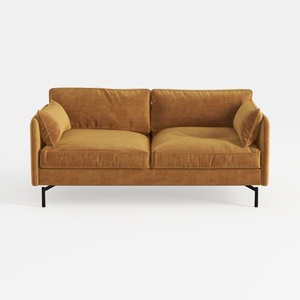
Modern Velvet Upholstered 2 Seater Sofa With Black Metal Legs 3D Model
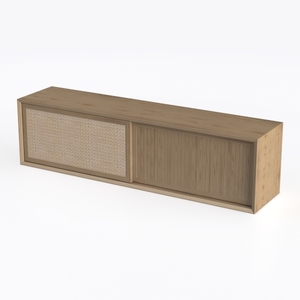
Minimalist Oak Rattan TV Cabinet 3D Model
Homestyler is your go-to online home design platform, perfect for sparking creativity and transforming your space. With a user-friendly design tool, stunning 3D renderings, a wealth of design projects, and engaging video tutorials, you can easily bring your dream home to life!
Design Now for FREE
































