

I've crafted various outdoor structures tailored to clients in diverse climates, particularly focusing on small-breed dog houses that require a detailed approach. Essential factors include proportional sizing, temperature regulation, durable materials, and layouts that consider canine behavior. My design priorities encompass fit, ventilation, shade, and moisture resistance since small dogs are more susceptible to losing body heat and are sensitive to drafts and heat.
My design foundation is supported by two key insights: the WELL v2 Thermal Comfort principle advocates for maintaining optimal thermal conditions as per occupant needs, which is especially relevant for small-bodied animals that are prone to rapid heat loss (source: WELL v2). Additionally, research from Steelcase highlights that environmental factors such as acoustic and thermal comfort play a significant role in wellbeing; while this study primarily addresses humans, it emphasizes that ambient comfort is crucial for health and behavior, reinforcing that meticulously planned structures are essential for comfort, not just aesthetics (source: steelcase.com/research).
Understanding breed-specific behaviors is crucial. For instance, terriers typically prefer spaces where they can observe their surroundings, while toy breeds often gravitate toward cozy, enclosed areas. My designs feature three distinct zones: a shaded porch for cooling, a semi-enclosed vestibule to shield against wind and rain, and a compact sleeping area that ensures consistent warmth. Utilizing a room layout tool, such as Homestyler, can enhance the visualization of space orientation, shade patterns, and wind exposure when planning yard placement and circulation around the dog house.
Appropriate Sizing: Dimensions and Clearances
For small dogs, the need is for snug but not restrictive spaces. A good guideline suggests that the interior length should be approximately 1.25 to 1.5 times the dog's body length (from nose to the base of the tail), with the width being about 1 to 1.25 times the shoulder width, and an interior height of about 2 to 4 inches above the dog's standing height. The door height should be just under the standing shoulder height to minimize heat loss while allowing comfortable entry. Oversizing can lead to drafts and thermal stratification, while undersizing may restrict posture and increase anxiety. I also recommend leaving at least 6 to 8 inches of clearance on each side for maintenance and ventilation.
Climate Considerations: Ventilation, Shade, and Insulation
In hotter climates, it's vital to prioritize cross-ventilation by incorporating high and low vents to expel hot air effectively. The door should be oriented away from prevailing winds and direct afternoon sunlight. A shaded overhang or porch is beneficial for reducing solar gain, and utilizing reflective, light-colored exteriors can help keep surface temperatures low. For colder regions, I recommend using insulated panels (for the floor, walls, and roof) with sealed seams and ensuring the floor is raised 2 to 4 inches above ground to prevent moisture absorption and heat loss due to convection. Incorporating a wind baffle or an interior vestibule can significantly cut down on drafts. According to IES standards on glare and luminous comfort (ies.org/standards), managing sunlight exposure contributes to thermal comfort and visual ease—adequate shading at the entry minimizes squinting and promotes usage.
Material Selection: Durability, Safety, and Sustainability
I recommend utilizing rot-resistant woods such as cedar or cypress, or opting for powder-coated aluminum frames with composite panels. It's important to avoid pressure-treated lumber in chewing-prone areas and select exterior finishes that are low in volatile organic compounds (VOCs). For fasteners, choose stainless steel or corrosion-resistant coated ones. For roofing, consider standing seam metal or high-quality shingles with drip edges, and for floors, use sealed marine plywood or composite decking with an anti-slip surface. Insulation should be securely enclosed—using either rigid foam or mineral wool—to deter chewing and limit moisture intrusion. For eco-friendly structures, prioritize FSC-certified timber and recycled composite panels; Homestyler offers resources for material selection and performance data.
Functionality and Behavior: Entrances, Sightlines, and Daily Routines
Small breeds benefit from a low threshold and a short entry tunnel (approximately 6 to 10 inches) that protects them from wind without inducing feelings of confinement. A partially screened or small window at sitting height will facilitate passive observation for vigilant breeds while keeping the sleeping area private. It's essential to position food and water bowls as well as a weather-protected hook for gear (leash, harness) within easy reach but outside the sleeping chamber. Ensure pathways are kept clear and refrain from placing the house near noisy machinery—noise can elevate stress levels, with research linking environmental comfort to wellbeing (steelcase.com/research).
Thermal Layers: Bedding, Flooring, and Seasonal Accessories
The flooring should be layered with an insulated foundation, topped with a washable, non-slip mat. During warmer months, adding a raised bed enhances air circulation beneath the dog; in contrast, switching to a plush, enclosed bolster bed during winter will keep them cozy. Seasonal kits can be helpful—install mesh screens for airflow in summer, clear polycarbonate storm panels for wind and rain protection, and reflective shades for the porch. Ensure heated pads have chew-proof cords and adjustable thermostats; always supervise their use and avoid thick bedding that can trap excessive heat.
Moisture Management: Elevation, Overhangs, and Drainage
To maintain durability and hygiene, controlling moisture is critical. Elevate the house above ground level, incline the floor gently towards a rear weep channel, and extend roof overhangs by at least 6 to 8 inches. Adding gutters can help divert rainwater, and establishing a crushed-stone base aids drainage. A sill pan beneath the door will prevent water ingress during heavy rain. Ensure that vent openings are fitted with insect screens and drip caps to enhance protection.
Safety: Chew Resistance, Non-Toxic Coatings, and Secure Anchoring
Ensure that edges and corners are rounded, and opt for chew-resistant trims while avoiding exposed foam. It’s imperative to choose finishes that are safe for pets; verify the labels to confirm low VOC levels and the absence of heavy metals. Secure the structure against wind loads using ground stakes or footers, and design doors to avoid pinch points; magnetic flaps are quieter and less likely to cause startled reactions compared to rigid plastic options.
Optimal Placement: Orientation and Microclimate
Locate the house in an easily observable and accessible area—ideally near a primary path but away from high traffic zones. Orient it to capture morning sunlight while steering clear of late afternoon heat exposure. Utilize existing trees or shade sails for additional protection. In colder climates, positioning windbreaks (such as hedges or fences) on the windward side can help minimize heat loss.
Ongoing Maintenance: Cleaning, Inspection, and Lifespan
Designing with maintenance in mind involves features like a hinged roof or removable wall panels, washable interior surfaces, and flooring that promotes drainage. Perform monthly checks for loose fasteners, splintering, and pest presence. Seasonally, reseal finishes, clear gutters, and assess insulation condition. With diligent upkeep, a well-constructed outdoor dog house can comfortably serve its purpose for 8 to 12 years, depending on environmental factors.
Design Aesthetics: Achieving Visual Harmony
I strive to reflect the home's aesthetic in terms of color palette and roofline in my designs. For contemporary outdoor spaces, a low-profile shed roof combined with vertical slats achieves a balance of airflow and privacy. In a cottage garden setting, cedar shingle cladding paired with a small gable provides a warm and inviting feel. The house’s proportions should remain compact and visually grounded, as excessive height can feel exposed for smaller breeds.
Layout Strategy: Zones and Circulation Paths
Develop a micro-plan incorporating a sleeping area, vestibule, and shaded porch so that they are arranged to minimize wind paths while allowing for easy movement. Outline the path to ensure food and water stations are both accessible and sheltered. For those considering options prior to building or purchasing, employing a layout simulation tool like Homestyler can be instrumental in visualizing access routes, shade coverage throughout the day, and accommodating tight patio spaces.
Common Questions
Interior length should be around 1.25 to 1.5 times the dog's body length, width approximately 1 to 1.25 times shoulder width, and the interior height just above the dog's standing height. The door height should be slightly below the shoulder height to limit heat loss.
Utilize closed-cell rigid foam or mineral wool neatly contained within wall cavities, combined with a raised insulated floor. Ensure that seams are sealed to prevent air leaks and moisture entry.
Implement cross-ventilation by adding high and low vents, shade the roof and entryway, use light reflective finishes, and integrate a shaded porch. Position away from direct afternoon sunlight for enhanced comfort.
Only use heating pads that feature thermostatic controls and chew-resistant cords. Position them beneath a thin covering, eschewing thick bedding, and ensure constant supervision when in use. Never leave unattended if the dog cannot move away from the heat source.
Choose powder-coated metal frames, composite panels, sealed marine plywood, and smooth rounded trims. Refrain from using exposed foam and ensure all finishes are low-VOC and pet-friendly.
Daily access should facilitate monitoring, favoring morning sunlight, afternoon shade, and the presence of windbreaks shielding from prevailing winds. Avoid locations near noisily operated machinery as well.
Raise the house, install generous roof overhangs and gutters, slope the floor towards a weep channel, and create a crushed-stone base for improved drainage.
Yes, ensure to reflect the roof pitch, cladding choice, and color scheme of the main residence. Keep dimensions compact for small breeds and incorporate a porch or awning to enhance functional design harmony.
In fluctuating weather, having a short vestibule as a buffer can protect against drafts while enhancing thermal comfort without compromising accessibility or visibility.
Conduct monthly inspections of fasteners and surfaces, seasonal reseals, gutter cleaning, pest checks, and wash bedding. Incorporate removable panels to facilitate easier cleaning processes.

PayLessHere 47.2" x 23.6" Two Leg - Computer Desk
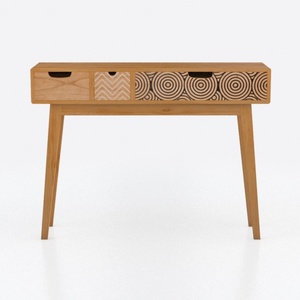
Ampia scrivania per Computer da Ufficio con cassetti, Moderno Tavolo da Gioco angolare per 2, postazione di Lavoro Semplice e Facile da Montare, spazioso Tavolo per PC per L'Ufficio Domestic

Qing Orange End Table
Homestyler is your go-to online platform for transforming home design ideas into reality. With its user-friendly design tool, stunning 3D renderings, and a plethora of DIY video tutorials, you can easily create beautiful spaces without any prior experience. Dive into creativity today!
Zaprojektuj teraz za darmo
































