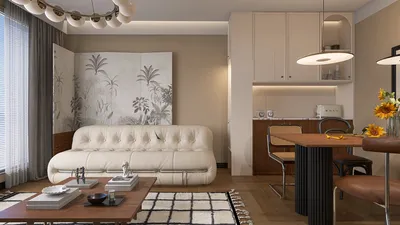


I once had a client who insisted that their dining area accommodate six seats while fitting snugly into a 7-foot-wide alcove. I initially thought it was a humorous challenge until they presented me with a floor plan. It’s fascinating how small spaces can ignite significant creative solutions. I sketched various imaginative options and discovered an essential principle: versatility in design is far superior to forcing fits. If you seek assistance in visual planning, consider these small dining layouts that transform awkward corners into purposeful spaces with the help of Homestyler.
1. Circular or Oval Pedestal Tables
I often recommend circular or oval tables featuring a singular pedestal base since this design minimizes leg collisions and appears less bulky in constrained areas. This shape can enhance usable seating while maintaining a light visual appeal; however, make sure to avoid oversized diameters that can dominate narrow rooms—always take measurements of walkways into account.
save pin
2. Expandable Tables with Concealed Extensions
Expandable tables are my preferred choice for clients who entertain on occasion. During the week, they remain compact, and during weekends, simply extend them for additional guests. While there is a trade-off regarding the costs of mechanisms and the need for extra storage for extensions, it proves a practical solution for many small dining scenarios.
save pin
3. Wall-Mounted Drop-Leaf or Fold-Down Tables
For exceptionally tight areas, I have installed wall-mounted drop-leaf tables that can be tucked away when not in use—ideal for breakfast corners or studio apartments. These tables are lightweight and economical, although they may not be as sturdy for heavy entertaining. Pair them with stackable stools for enhanced storage efficiency. When visualizing placements for my clients, I sometimes utilize a 3D layout preview in Homestyler to assess clearances and sightlines.
save pin
4. Benches and Built-In Banquets
Benches can fit neatly under tables and can offer additional storage if designed with lift seats. I once crafted a banquette that cleverly concealed a wine fridge and extra linens. Benches are great for saving space while providing a cozy atmosphere, though they might become uncomfortable during lengthy meals unless equipped with padding or back support.
save pin
5. Lightweight Materials, Glass Tops, and Optical Illusions
Using glass or slim-profile tops, slender metal legs, and lighter wood finishes ensures that a small dining room feels open and airy. I once paired a glass-top round table with a thin pedestal in a client’s apartment, which effectively made the entire area feel larger. For those looking for styling inspiration or AI-driven design concepts, experimenting with Homestyler can yield swift mood boards and layout ideas.
save pin
FAQ
Q1: What size of dining table is suitable for a small dining room?
A small round table measuring approximately 36–44 inches (90–110 cm) in diameter generally accommodates 2–4 diners comfortably. Always ensure there is at least 30–36 inches (75–90 cm) of clearance from the table's edge to walls or large furniture to facilitate comfortable seating.
Q2: Are expandable tables worth the added expense?
Absolutely, particularly if you entertain guest regularly. Expandable tables offer a compact setup for daily use and flexibility for events, though they may incur extra costs and necessitate storage space for leaves when not in use.
Q3: Is incorporating a bench a practical idea for small dining areas?
Benches efficiently utilize space and can serve as storage solutions, making them ideal for casual dining. However, they may be less comfortable for prolonged meals unless you include cushions or backs.
Q4: How do I select the appropriate table shape?
Round or oval tables can soften tight corners and offer better flow in narrow areas, while rectangular shapes work better in elongated spaces. It's essential to prioritize circulation pathways and consider the number of regular diners.
Q5: Can glass tables genuinely create an illusion of a larger room?
Yes, glass tops diminish visual bulk and allow light to flow through, cultivating an airy atmosphere. Pairing them with delicate legs and lighter hues yields the best effect.
Q6: What clearance is advisable around a dining table?
The National Kitchen & Bath Association (NKBA) advises a clearance of about 36 inches (91 cm) from the table's edge to walls or other obstructions to accommodate chair movement and easy access (source: https://www.nkba.org).
Q7: What budget-friendly updates can I make quickly?
Replace bulky chairs with slimmer alternatives or a bench, and introduce a mirror to enhance the feeling of space. Painting the wall behind the table in a lighter tone also brightens and visually expands the area.
Q8: When should I consider hiring a designer?
If you're facing challenges with awkward angles, multiple functionalities, or require built-ins, a designer can optimize every inch and help avoid costly errors. A brief consultation can clarify layout options and prioritize essential features.
Discover your dream space with Homestyler! This exceptional online home design platform offers a user-friendly design tool, stunning 3D renderings, and a wealth of inspiring design projects. Plus, with DIY video tutorials, transforming your home has never been easier or more enjoyable!
Projete agora para LIVRE
































