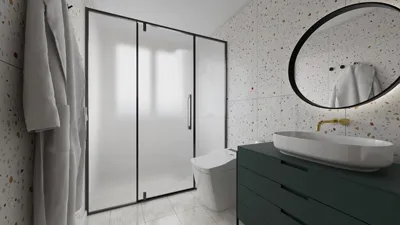


In one of my projects, I painted a small guest room the same dark teal as the client’s living room, believing it would create a dramatic effect — unfortunately, it turned into a claustrophobic cave, leaving the guest quite uncomfortable. This experience taught me an important lesson: the color you choose can either make a space feel confined or expansive, highlighting the importance of making informed painting decisions. If you prefer to visualize your space’s layout before selecting a color, you will appreciate the foresight later on.
1. Light, Warm Neutrals to Enhance Space
I often recommend warm neutrals such as soft greige or creamy off-white for compact bedrooms. These colors bounce light effectively, create a cozy yet airy atmosphere, and serve as a subtle backdrop for your bedding and artwork. However, they can sometimes appear flat if every element is beige, so it's advisable to mix textures—like linen, a woven rug, and varied finishes of matte and satin—to keep the overall look dynamic. Budget-friendly tip: decent-quality neutral paint doesn’t have to break the bank; prioritize expenditure on primers and a durable finish.
save pin
2. Vertical Accent Stripes to Create Height
During a studio project, I added soft vertical stripes on the wall behind the bed, which instantly gave the illusion of a higher ceiling. When opting for stripes, choose near-tonal contrasts (like warm white paired with soft taupe) for a harmonious look. The key challenge is achieving precision; measure carefully and utilize painter’s tape, or consider stencils for ease. If you’re renting, removable wallpaper featuring vertical stripes offers nearly the same visual appeal without the commitment.
save pin
3. Monochrome Layers for Added Depth
Employing various shades of a single color—like a muted blue-gray on three walls and a slightly darker hue on the headboard wall—adds depth without overwhelming the space. I utilized this trick in a 28 sqm flat to achieve a cohesive and unexpectedly spacious bedroom. One important note: ensure that you stay within a narrow value range to maintain a polished appearance and avoid a patchy look.
For clients seeking a lifelike preview, I sometimes provide them with high-quality 3D renders, thanks to tools like Homestyler, allowing them to visualize how light interacts with paint throughout the day.
save pin
4. Two-Tone Walls for Distinguishing Areas
Implementing two-tone paint—darker on the lower third and lighter above, or a contrasting headboard wall—effectively defines the bed area and tricks the eye into perceiving distinct zones. This technique is particularly effective in multifunctional small bedrooms (like combining a desk with a bed). Just remember to tackle the extra edging work by using a high-quality brush and an angled cut-in. Economically, two cans of different colors are often cheaper than built-in carpentry for achieving visual structure.
save pin
5. Ceiling Color or Soft Murals for Added Interest
Opting for a soft pastel ceiling or a subtle mural can elevate the room and draw the eye upward, making it feel taller. I once painted a delicate blush ceiling for a client, transforming their small room into a suite reminiscent of chic boutique hotels. However, be cautious: bold ceiling colors can dominate the space if the walls are also vivid, so aim for harmonious tones and always test samples in real conditions.
As you finalize your color choice, keep in mind that light can dramatically alter perception—test large swatches on various walls and observe them during different times of the day. If you're adventurous, consider using AI-based tools like Homestyler to generate quick color schemes that complement your furniture and lighting.
save pin
FAQ
1. Which paint colors create the perception of a larger bedroom?
Light, warm neutrals and soft pastels usually open up a room by reflecting more light. It’s best to avoid dark, saturated shades on all walls unless balanced with ample light sources and reflective fabrics.
2. Is it advisable to have an accent wall in small bedrooms?
Absolutely—an accent wall behind the bed can introduce depth and focus without overwhelming the area. Just ensure the accent color fits within the room’s overall color palette to maintain a cohesive look.
3. Should I opt for a different color on the ceiling?
Yes, painting the ceiling a slightly lighter or complementary shade can add height and visual appeal. Soft hues work best; although bold ceiling colors can create drama, they risk making the room feel confined if not paired correctly.
4. How do I decide between matte and satin finishes?
Matte finishes effectively conceal wall imperfections and impart a cozy feel; satin finishes are more straightforward to clean and reflect a little more light. For small bedrooms, satin is often ideal for trim, while matte works well on walls.
5. Are dark colors ever suitable for small bedrooms?
Dark colors can produce a snug, intimate feel when used strategically—such as on a single headboard wall—or when complemented with sufficient lighting. Avoid using dark colors on all four walls unless you desire a cocoon-like ambiance.
6. How many paint samples should I try before making a decision?
It's recommended to test at least three large swatches in various parts of the room and observe them in morning, afternoon, and evening light. Smaller tester pots can offer misleading impressions; larger swatches will give you a better understanding of the actual effects.
7. Do paint colors have an effect on sleep quality?
Indeed—gentle colors like muted blues, greens, and warm neutrals can enhance sleep quality. According to the National Sleep Foundation, calm and cool tones are associated with more restful sleep (source: https://www.sleepfoundation.org).
8. What's an economical way to refresh a small bedroom?
Repainting one wall, refreshing trim color, or painting the ceiling are inexpensive methods to revitalize a space. Combine small paint changes with new textiles or lighting for maximum influence without significant expense.
save pin
Built on technology originally developed at Autodesk, Homestyler empowers anyone to design beautiful, realistic spaces in minutes. Join over 18 million users who have already discovered a smarter way to plan, visualize, and bring their dream homes to life — all from the comfort of a browser.
Discover your home’s potential with Homestyler! This user-friendly online design tool offers stunning 3D renderings, a wealth of design projects, and engaging DIY video tutorials. Whether you're a beginner or a seasoned designer, bring your creative visions to life effortlessly!
Design jetzt kostenlos
































