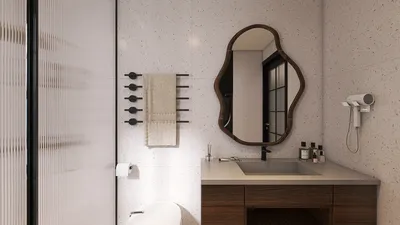


In my experience, I once assisted a client who envisioned a boutique hotel-inspired bedroom but was constrained by a budget reminiscent of a college student's. We transformed this limitation into a creative opportunity, sketching straightforward concepts and utilizing visual mockups to sidestep costly errors. I must confess that I learned some lessons the hard way—misjudging rug sizes twice underscored the necessity of precise measurements. Now, I always prototype before making any final decisions, often employing tools like Homestyler for effective visual testing.
1. Strategic Painting: Focus on trim, ceilings, and an accent wall
Painting offers one of the quickest and most economical methods to alter the ambiance of a space. A rich trim color or a gentle ceiling hue can create the illusion of height or warmth in a room. The benefit of this tactic is a significant impact at a minimal cost; however, the downside is that a hue you adore in a sample may appear different when enveloping all four walls, so it’s wise to test a larger patch first.
save pin
2. Optimize vertical storage and concealed nooks
Implementing vertical shelving, narrow wardrobes, and under-bed storage can make use of areas that would otherwise remain untouched. For example, I once transformed a 6-square-foot corner into an impressive dressing nook. This strategy is budget-friendly, especially when combining pre-made shelving with a few custom adjustments. While some DIY expertise is helpful, hiring a carpenter can ensure proper alignment if the walls aren't perfectly straight.
save pin
3. Revitalize with textiles and second-hand finds
Changing out curtains, cushion covers, and duvets can refresh a room’s character overnight. Additionally, I find that a thrifted dresser, when refinished, adds a unique charm. Not only is this an economical approach, but it's also environmentally conscious. Just remember to allocate time for your treasure hunt—the payoff is a distinctive piece that anchors the space beautifully.
save pin
4. Layered lighting for ambiance and practicality
Combine different types of lighting—overhead, bedside, and task varieties—to enhance the versatility of a small bedroom. Cozy bedside lamps are perfect for reading, while brighter task lamps can assist with makeup or work tasks. Opting for LED lights can save on costs over time; according to the U.S. Department of Energy, LEDs consume at least 75% less energy compared to traditional incandescent bulbs. However, selecting the right color temperature may require some experimentation.
save pin
5. Thoughtful Layouts: Select a focal piece and arrange around it
Choose either the bed or a standout headboard as the room's visual focus, then arrange storage and seating to support this centerpiece. Making this singular choice streamlines purchasing decisions and avoids a chaotic appearance. I frequently utilize software to create previews of room layouts; this allows clients to visualize the flow before making furniture purchases, minimizing returns and buyer’s remorse. Keep in mind that some layouts may necessitate custom dimensions to accommodate awkward spaces.
save pin
Bonus Planning Tip
When working within tight budgets, I create quick mood boards and simple 3D visuals to prioritize purchases, which helps avert impulse buys and maintain project timelines. For projects demanding clearer spatial insights, I often explore AI mood boards to swiftly experiment with color and pattern combinations, sometimes utilizing tools like Homestyler to refine my concepts.
save pin
FAQ
Q: What’s the simplest way to make a small bedroom appear larger?
A: Light, cool paint colors, the addition of vertical lines such as tall shelves or curtains, and low-profile furniture can all enhance sightlines. Mirrors placed opposite windows can also create a sense of depth and amplify light.
Q: What should I budget for a room refresh?
A: A basic refresh involving paint, textiles, and a lamp can cost under $200; however, introducing new furniture or custom storage typically elevates expenses into the $500–$1,500 range, depending on quality and labor requirements. Prioritize changes that will enhance daily usage first.
Q: Is it worth investing in thrifted furniture?
A: Definitely—well-constructed vintage pieces often surpass the durability of cheap, new options, and refinishing tends to be cost-effective. The main consideration is the time spent sourcing and potentially restoring these items.
Q: What lighting temperature is best for a bedroom?
A: For most bedroom fixtures, aim for a warm white color temperature (2700K–3000K) to create a cozy atmosphere, while task lighting can use slightly cooler shades for bright, focused illumination. Dimmable LEDs offer additional versatility.
Q: Can I create DIY built-ins on a budget?
A: Absolutely! Modular shelving and DIY cabinets can effectively replicate built-ins without breaking the bank. I suggest starting with one wall to familiarize yourself with the process before tackling the entire room. Getting the leveling and fastening right can be the most challenging part.
Q: How do I determine the right rug size for a small bedroom?
A: Ideally, position the rug so that the front two-thirds of the bed rest on it; commonly, 5x8 or 6x9 rugs work well in many smaller spaces. Always measure the footprint of your furniture first—too-small rugs can make an area feel disconnected.
Q: What are some quick methods to rejuvenate a dated bedroom?
A: Update hardware (like drawer pulls or light fixtures), repaint trims, swap bedding, and introduce one modern accessory (such as a framed piece of art) to refresh the overall look. Small changes can yield significant effects.
Q: Where can I test layouts before purchasing furniture?
A: I frequently turn to simple digital mockups and 3D rendering services to assess scale and layout flow; visualizing furniture in context minimizes expensive returns and layout errors. For more intricate spatial visuals, many designers utilize professional 3D rendering platforms, sometimes incorporating tools like Homestyler for effective planning.
save pin
Homestyler is your go-to online home design platform! With its user-friendly design tool, stunning 3D renderings, and a wealth of design projects and DIY video tutorials, you can effortlessly transform your home ideas into reality. Start creating your dream space today!
Projete agora para LIVRE
































