

I consider small balconies as mini living rooms where every detail counts, with the table being the essential piece. A carefully selected balcony table establishes how our daily rituals unfold—whether it’s enjoying morning coffee, working on a laptop, or sipping wine in the evening. In fact, I find that the diameter or footprint of the table creates about 70–80% of the successful flow in outdoor spaces. Using a tool like Homestyler can help visualize how best to arrange these elements in your balcony design.
Prioritizing scale and ergonomics is crucial. A round table with a diameter between 24–28 inches (61–71 cm) comfortably accommodates two settings without causing difficulties with knee space. By opting for armless chairs, you enhance mobility and reach. According to WELL v2 guidelines, at least 30 inches (76 cm) should exist between furnishings for unobstructed paths, which I adapt for limited balcony spaces to around 22–26 inches (56–66 cm), using lightweight chairs for safety. To ensure comfort in bright conditions, I adhere to IES recommendations by balancing reflective table materials with textured surfaces to minimize glare during sunny weather.
Effective Tables for Cozy Balconies
Not all compact tables serve the same purpose. It's essential to select designs that facilitate movement and versatility without cluttering the visual space.
A round bistro table with a diameter of 24–26 inches (61–66 cm) is highly adaptable, allowing for smooth circulation, accommodating two people, and fostering a friendly atmosphere. I often choose materials like matte powder-coated aluminum or sustainably sourced teak, which are light enough for easy repositioning as the sun shifts. Round shapes soften the sharp lines of balconies and help prevent stubbed toes.
A semicircle table set against the railing or wall can save about 20–30% in footprint compared to a full round option, while providing similar surface area along the edge. This configuration works well for narrow balconies that are 36–42 inches (91–107 cm) deep, ensuring adequate space for door swings.
When your space doubles as a clothes drying area or a yoga zone, a clamp-on table that can be folded down becomes extremely useful. Look for adjustable brackets that can accommodate various railing profiles, along with a locking mechanism for stability. Depths between 12–16 inches (30–41 cm) are sufficient for drinks and laptops.
Having two nesting tables that can stand at a height of 16–20 inches (41–51 cm) allows for easy adjustments when entertaining guests; they can be tucked away when not in use. Combining materials like stone-look porcelain on aluminum helps one table stay cool while the other withstands heat.
A console table of 10–14 inches (25–36 cm) in depth against the facade can serve multiple purposes such as a standing bar, herb shelf, or laptop space. Adding two backless stools that slide underneath enhances mobility.
Utilizing dual-purpose items keeps clutter from accumulating. A weather-resistant storage cube that features a reversible tray top is perfect for concealing cushions and gardening accessories, provided it has ventilation to avoid mildew accumulation.
Optimizing Layouts for Small Balconies
Effective layouts facilitate smooth movement from the entrance to seating areas without hindrances. Prior to finalizing furniture choices, I check clearances, door swing paths, and distances for pulling back chairs. To quickly visualize different options, I rely on an interior layout planner to experiment with table sizes and movement patterns.
Position a round or half-moon table in the far corner diagonally opposite the door hinge. By angling the chairs 15–20 degrees, you can ensure a better view and minimize glare from the afternoon sun.
Setting up a narrow bar table along the railing with stools centered on structural supports allows for a walkway of 20–24 inches (51–61 cm), ensuring easy access.
A 24-inch (61 cm) round table at the center creates a balance of weight and sightlines. Choosing armless, low-back chairs enables uninterrupted views below the rail top.
Material Selection That Withstands the Elements
Outdoor furnishings endure challenging conditions: UV rays, temperature fluctuations, rain, and airborne debris. I prefer tactile, matte finishes when possible to mitigate glare and minimize fingerprints.
Influence of Light, Shade, and Color Psychology
The colors and lighting significantly impact the atmosphere on your balcony at various times of the day. Neutral, low-chroma tabletops help lessen glare; warm tones like oak and taupe invite longer stays, whereas cooler shades might promote productivity. Research indicates that blues and greens foster tranquility and concentration, with intense reds reserved for accent features rather than predominant surfaces.
For comfort, I aim for 200–500 lux of light on surfaces at dusk, suitable for dining or laptop work, using warm-white (2700–3000K) shielded lighting. I steer clear of exposed bulbs that could reflect off glossy surfaces. A compact lantern featuring a low-glare diffuser or wall sconces with cut-off shields can keep both neighbors satisfied and your eyes comfortable.
Considerations for Ergonomics and Table Heights
Dining tables should be between 28–30 inches (71–76 cm) tall, while counter-height tables should reach 36 inches (91 cm). For balconies with a standard railing height of approximately 42 inches (107 cm), pairing a stool of 30 inches (76 cm) height ensures that elbows remain just above the surface when typing or dining. Maintain a space of 10–12 inches (25–30 cm) between the seat and the underside of the table to ensure sufficient legroom, keeping posture comfortable during extended use.
Managing Acoustics and Enhancing Privacy
Hard exterior surfaces may amplify sounds. Selecting tables with textured or perforated tops, alongside a small outdoor rug, helps reduce noise. Situating the table further from shared walls and using planter screens on one side can minimize disturbances and wind disruptions.
Styling Techniques That Enhance Atmosphere
Creating a Work-Friendly Balcony Setup
For occasional remote work, I prefer a round table of 24–26 inches or a rail bar of 12–14 inches in depth. Using anti-glare screen filters and orienting the table to block sunlight ensures that your screen is shielded from the sky. Research from Steelcase shows that posture and minor movements greatly affect comfort and focus in work environments; I translate this to outdoor setups by selecting chairs with a slight flex and incorporating a discreet footrest option for prolonged tasks.
Five Ready-to-Implement Table Combinations
Half-moon aluminum table, 24 inches wide, with a matte textured finish; two armless mesh chairs; and a clip-on shade or retractable screen to control late-day sun.
26-inch round teak bistro; compact lantern at 2700K; cushions in moss and stone; and nesting tables on standby for guests.
14-inch depth rail-mounted folding table; one backless stool; herb planters as a wind barrier; and a small tray for coffee grinder and mug.
Two nesting tables configured to form an oval; folding chairs stored on wall hooks; and a soft outdoor rug to stabilize furniture and absorb noise.
12-inch depth console bar along the facade; two stackable stools; a rechargeable, low-glare task lamp; and a cable clip beneath the top.
Ensuring Durability and Care
Regularly rinsing outdoor tables helps remove airborne contaminants; coastal areas require more frequent maintenance. Tighten any fasteners each season, re-oil teak furniture twice per year, and address powder coat chips promptly to prevent corrosion. Opt for breathable furniture covers rather than plastic tarps to avoid moisture buildup.
Budget-Friendly and Sustainable Tips
Focus on the surfaces you interact with most: a simple aluminum base paired with a quality HPL or porcelain top usually outlasts more expensive wooden options in challenging environments. Whenever possible, choose FSC-certified wood and recycled aluminum or HDPE. Smaller, lighter furniture reduces embodied carbon and can be more conveniently moved as your needs evolve.
Frequently Asked Questions
For two people, a round table of 24–26 inches (61–66 cm) is ideal. If space is constrained, a half-moon shape against the railing can maintain adequate circulation.
In compact settings, aim for a distance of 22–26 inches (56–66 cm), allowing chairs to slide freely and doors to operate easily. When possible, 30 inches (76 cm) is optimal for comfort, inspired by WELL v2 standards.
Powder-coated aluminum, porcelain or HPL tabletops, and teak perform well outside. Opting for matte textures helps mitigate glare and reduces the appearance of fingerprints compared to glossy finishes.
Absolutely—select dining height (28–30 inches) for seated tasks or a 36-inch rail bar for standing. Ensure the screen is shaded and choose a chair with slight flex for added comfort.
Using warm-white 2700–3000K lights with diffusers prevents glare on shiny surfaces. Aim for around 200–500 lux on your table via shielded lanterns or sconces.
Incorporate soft elements like outdoor rugs, cushions, and planters. Textured or perforated tabletops can help muffle sounds, and arranging the table away from loud surfaces minimizes disturbances.
Select models featuring adjustable clamps, anti-slip pads, and locking hinges. Always check the railing’s load capacity and your local building codes before installation.
Soft greens, blues, and warm neutrals foster a calm atmosphere and increased focus; reserve vivid colors for small decorative accents. This aligns with widely discussed insights from color psychology.
Utilize two nesting tables to create an oval when needed, and keep lightweight folding chairs accessible on wall hooks for convenience.
A linear rail bar with stools maintains a clear pathway along the wall; alternatively, a half-moon table against the railing maximizes usable depth.
Opt for FSC-certified teak, wash with mild soap, and oil biannually for a warm finish; alternatively, allow it to develop a natural patina over time.
Definitely—use painter’s tape to outline footprints or employ an interior layout planner to visualize sizes and spacing in conjunction with a room layout tool.
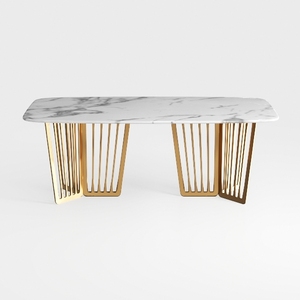

TAPIVA Desk Computer Desks Office Desk Marble Tabl
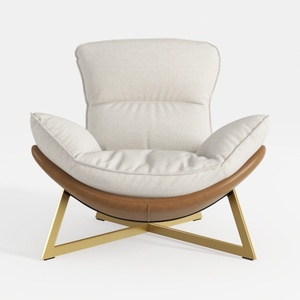
MARURY Modern Home Office Desk Chair, Single Sofa
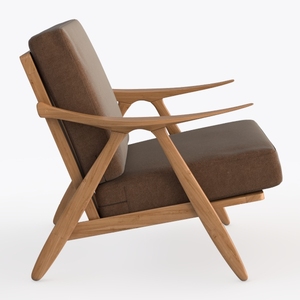
Lexicon Mid Century Modern Accent Chair, Faux
Homestyler is your go-to platform for effortless home design! With its user-friendly online design tool, stunning 3D renderings, and a wealth of DIY video tutorials, you can bring your decorating dreams to life. Perfect for all skill levels, start creating your ideal space today!
Design Now for FREE
































