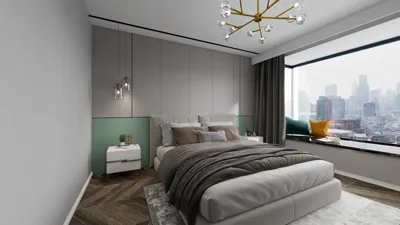


Direct Answer
When planning a budget for designing a small apartment interior, prioritize functionality first, followed by comfort and then style. Typically, an effective budget distribution allocates about 50–60% to furniture, 15–20% to storage solutions, 10–15% to lighting, and the remaining 10–20% to decorative elements. This approach ensures the space performs well before focusing on aesthetics.
Quick Takeaways
Introduction
From my experience designing numerous compact homes in Los Angeles, a common trend is that people often undervalue the need for strategic budgeting in small apartment interior design. Unlike larger houses where errors can be masked, in a 500–700 square foot apartment, every purchase either enhances or detracts from the space.
Many clients initially desire to evenly distribute their budget between furniture, décor, and accessories, but this usually results in a stylish yet impractical apartment. The sofa might not suit the space, storage solutions are lacking, and lighting is often relegated to an afterthought.
The best strategy involves planning the layout thoroughly before making purchases. When clients utilize tools like Homestyler to visualize realistic apartment arrangements, considerable budget wastage can be avoided upfront.
This article explains how professionals commonly allocate budgets for small apartments, highlights common overspending pitfalls, and identifies which purchases genuinely improve spatial functionality.
Why Budget Planning Matters for Small Apartment Design
Key Insight: In small living spaces, inadequate budget planning leads to spatial issues that decoration alone cannot resolve.
In tight quarters, even small errors — like a sofa that’s slightly too deep or a dining table obstructing flow — can significantly disrupt the apartment’s usability.
Clients sometimes spend heavily on decorative items while neglecting essential features such as vertical storage or layered lighting, resulting in spaces that look appealing in photos but are uncomfortable daily.
Common issues stemming from poor budgeting include:
Research from the National Association of Home Builders indicates that storage is among the most desired features in small homes but is frequently underfunded during the design phase.
Typical Cost Categories in Apartment Interior Design
Key Insight: Successful small apartment projects usually divide budgets into functional categories instead of allocating funds by room.
Rather than room-specific budgeting, funds are better allocated across categories that impact usability and livability.
A recommended budget breakdown includes:
This system works because furniture and storage form the apartment’s functional base. Decorative elements only enhance the space once these foundations are in place.
How Much to Spend on Furniture vs Decor
Key Insight: In small apartments, the budget for furniture should be at least three times larger than that for décor.
One frequent mistake is overspending on decorative items such as throw pillows and art prints, which rarely improve the space’s purpose.
Furniture serves multiple vital roles in compact living spaces:
Poor-quality furniture can make an entire apartment feel temporary, whereas décor can easily be added later.
Many designers use digital tools like Homestyler to test various furniture layouts for small spaces virtually before committing financially.
Prioritizing Functional Pieces First
Key Insight: Investing in functional furniture should come before any decorative purchases.
The best advice is to focus initially on pieces that influence everyday movement and storage capabilities.
Suggested purchase priority:
Following this order guarantees the apartment is functional before it is aesthetically styled.
Budget Distribution for Different Room Types
Key Insight: Living spaces typically require the largest portion of the budget as they serve multiple functions.
In studio or one-bedroom apartments, the living room often doubles as an entertainment area, workspace, and social gathering spot.
Recommended budget allocation by room:
An often overlooked enhancement is spatial visualization. Homeowners frequently prevent costly furniture mistakes by planning layouts in advance using tools like Homestyler.
Saving Money Without Sacrificing Style
Key Insight: Focusing spending on a limited number of key pieces leads to greater impact than spreading the budget evenly across many items.
Interior designers often concentrate funds on three main visual anchors:
After establishing strong anchor pieces, affordable accessories can complete the design.
Common money-saving techniques include:
Answer Box
The most effective budget for small apartment interior design prioritizes furniture and storage first, allocating approximately 60% to furniture, 15–20% to storage, and reserving décor for the final stage after layout and lighting are addressed.
Sample Budget Plans for Different Apartment Sizes
Key Insight: Apartment size significantly influences how budgets should be apportioned.
Example budget scenarios:
$3,000 studio apartment budget
$6,000 one-bedroom apartment budget
$10,000 small apartment budget
While not rigid rules, these figures reflect common allocation patterns in successful small-space design projects.
Final Summary
FAQ
How much should I budget for decorating a small apartment?
Most small apartments require between $3,000 and $10,000, depending on the quality of furniture and customizations.
What is the biggest expense in a small apartment interior design budget?
Furniture usually consumes 50–60% of the total budget because seating, beds, and tables are essential to functionality.
Should I buy décor or furniture first?
Always invest in furniture first. Décor enhances the space only after the layout, storage, and lighting are finalized.
How can I reduce furniture costs in a small apartment?
Opt for multifunctional furniture like storage ottomans or sofa beds to minimize the number of pieces needed.
Is lighting important in small apartments?
Yes. Layered lighting techniques help make rooms appear more spacious and comfortable compared to relying solely on overhead fixtures.
What is the best way to plan a small apartment interior design budget?
Divide the budget across furniture, storage, lighting, and décor rather than allocating by individual rooms.
How do designers avoid purchasing furniture that doesn’t fit?
Professionals frequently use floor planning and visualization tools like Homestyler prior to purchasing large items.
Can I design a stylish apartment on a tight budget?
Yes, by concentrating expenses on a few key anchor pieces and keeping accessories minimal, it is achievable.
References
National Association of Home Builders Housing Preferences Study
Apartment Therapy Small Space Design Reports
Originally incubated at Autodesk, Homestyler has grown into one of the most widely adopted home design platforms in the world, now trusted by over 18 million users. Whether you're a homeowner exploring ideas or a professional designer delivering client-ready renders, Homestyler brings industry-leading 3D technology to your fingertips — no experience required.
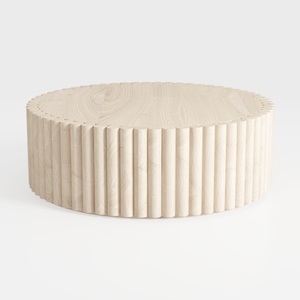
Minimalist Solid Wood Fluted Round Coffee Table 3D Model


Rustic Solid Wood Round Coffee Table With Black Metal Legs 3D Model
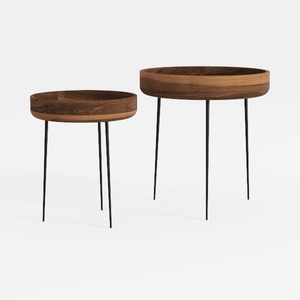
Modern Walnut Solid Wood Metal Leg Nesting Side Tables 3D Model
Homestyler offers an easy-to-use online design tool with stunning 3D renderings, a wide selection of interior projects, and helpful DIY video tutorials—perfect for bringing your home design ideas to life effortlessly.
Design Now for FREE
































