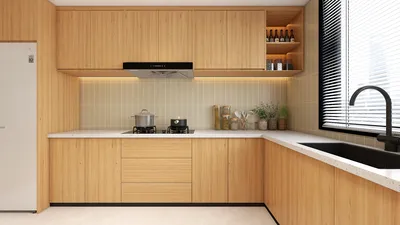


When every inch counts, slim cabinets become my go-to choice. Properly designed, they introduce order while allowing air and light to flow freely, facilitating movement within a room. For smaller homes, I usually opt for cabinet depths between 8–14 inches, employing vertical rhythms, integrated lighting, and smart compartmentalization to keep surfaces tidy and prevent blocked circulation. Utilizing a design tool like Homestyler can greatly aid in visualizing these aspects.
Maximizing space efficiency should never come at the cost of comfort. WELL v2 guidelines promote glare reduction and sufficient lighting in work areas; pairing slim cabinetry with ambient lighting in the 3000–3500K range, complemented by focused task lighting, ensures visual comfort and clarity. Research from Steelcase indicates that clutter elevates cognitive load and stress levels; thus, adopting clean-lined storage solutions can diminish distractions and enhance daily routines. These principles serve as the foundation for all my small-space designs, including those visualized in Homestyler.
Paying attention to proportions and reach is vital. The IES recommends maintaining task lighting within the 300–500 lux range, so I configure cabinet lighting accordingly, especially in prep or vanity areas. Ergonomically, it's ideal for users to access items that are situated 20–55 inches above the floor. Therefore, I position shelves for frequently used items within this reach while reserving higher spaces for rarely accessed articles. In compact kitchens, maintaining a minimum pathway width of 36 inches ensures that slim cabinets facilitate, rather than obstruct, traffic flow.
Key Strategies for Slim Cabinet Design
My design approach begins with creating a sense of visual lightness. Implementing narrow stiles, concealed pulls, and matte finishes minimizes reflections. In rooms with low ceilings, utilizing vertical grain or strategically placing open niches can draw the eye upward. I limit door widths to 12–18 inches to avoid interference during operation. For narrow corridors, I suggest opting for a depth of 10–12 inches along with sliding or pocket doors to maintain smooth circulation.
Tactical Layouts in Limited Spaces
Before determining storage solutions, I analyze traffic patterns, swing arcs, and sightlines. In studios or micro-apartments, installing a series of slim cabinets can serve to dampen sound if the right materials like fabric-faced panels and cork linings are mixed in. When dealing with intricate layout challenges, utilizing a room layout tool like Homestyler allows me to simulate door clearance and passage width efficiently.
Kitchen: Narrow Depth, High Efficiency
For galley kitchens, I prefer 12-inch-deep pantry pull-outs that keep essentials organized without narrowing the aisle. I advocate for full-height units with adjustable shelving in 2-inch increments, optimizing space for jars and cans. Additionally, using low-glare under-cabinet lighting positioned around 3500K ensures color accuracy and warmth. Ventilation via perforated backs in locations housing appliances or chargers is also essential to prevent heat buildup in tight storage areas.
Bathroom: Vertical Storage Designed for Humidity
In small bathrooms, I recommend a recessed niche system of 4–6 inches for storing skincare and daily essentials, which aids in keeping counters spill-free. Opt for marine-grade plywood or compact laminate for cabinet structures, as they resist humidity better than particleboard. Incorporate side-lit vertical strips in mirrors to achieve a light level of 300–500 lux on the face without casting harsh shadows. Utilizing soft-close hinges prevents damage, especially in compact spaces where every bump matters.
Entry and Hall: Slim Yet Functional
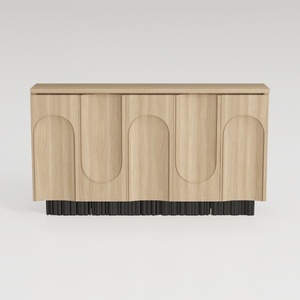
Entryways can quickly become cluttered. I design a console table with a depth of 10–12 inches, complete with hidden hooks, a drop zone, and a charging area. Also, incorporating a ventilated shoe unit and a closed section for seasonal items is beneficial. Keeping the bottom shelf open not only maintains visual flow but also prevents the unit from feeling heavy or overbearing.
Living Room: Behind-the-Scenes Organization
A row of cabinets measuring 10–12 inches can accommodate books, audio-visual equipment, and board games without cramping the seating area. Introducing open bays every 24–36 inches breaks visual mass and creates a rhythm, while integrating acoustic felt panels behind perforated doors helps manage sound reflections. Furthermore, planning for cable raceways and easily removable panels facilitates maintenance.
Bedroom: Streamlining Wardrobe Solutions
In compact bedrooms, a wardrobe with a depth of 14 inches that includes front-to-back hanging rods provides an unexpectedly efficient solution for short garments. Accessories like pull-out pant frames and vertical drawers enhance the organization for folded clothing. To minimize snags in tight spots, I advocate for minimal handle designs, like integrated finger pulls. Additionally, using soft 3000K cove lighting above the cabinet creates a gentle glow, making the unit appear lighter.
Materials and Finishes for Compact Environments
I blend warm matte laminates with real wood edges to create a balance of durability and tactile comfort. Light, neutral finishes help reduce visual clutter. In areas prone to moisture, durable options like compact laminate or powder-coated aluminum frames are advisable. For living spaces, introducing warm woods like oiled oak or ash, alongside low-VOC finishes, can help maintain indoor air quality.
Color Influence in Storage Design
The colors chosen for cabinets can affect how spacious they feel. Softer neutrals and muted tones tend to recede visually, making cabinets appear slimmer. Accenting with calming colors inside can promote organized placements—blues and greens are often associated with focus and order. It’s prudent to avoid high-gloss dark shades in narrow spaces; they tend to amplify reflections, creating a cramped feeling.
Lighting and Glare Management
Incorporating continuous LED lighting strips underneath shelves, while baffling to avoid harsh glares, and tuning them to 3000–3500K for living spaces, with 3500–4000K for task-oriented areas, is a best practice. Adhering to IES recommendations for task illumination and adjusting brightness according to the time of day is essential. Maintaining a Color Rendering Index (CRI) around 90 helps preserve true colors in kitchens and wardrobes.
Hardware, Accessibility, and Safety
For optimal performance, slim cabinets benefit from precise hardware like soft-close hinges, linear slides, and low-profile locks. In homes with children, it’s wise to use concealed wall brackets and anti-tilt mechanisms to lower tip-over risks. When sound control is a concern, employing rubber bumpers and felt liners can yield effective results. If doors must swing into tight areas, using 110° hinges instead of 155° helps protect adjacent walls.
Sustainability Factors
Selecting FSC-certified materials and durable finishes is crucial for longevity. Designing with disassembly in mind—mechanical fasteners and modular components simplify repairs and upgrades. It’s also beneficial to limit excess partitions; shared side panels can decrease material usage and save on space.
Frequent Errors to Avoid
• Overloading upper shelves with frequently used items that go beyond comfortable reach
• Using glossy finishes that heighten glare in brightly lit environments
• Choosing door widths that disrupt movement or clash with neighboring furniture
• Lacking edge restraint on shelves, leading to small items spilling from shallow depths
• Overlooking cable management in entertainment storage solutions
Planning Tools and Efficient Workflow
I begin by sketching traffic patterns, then apply digital validation for clearances. When dealing with layouts that combine varied door types and pull-outs, using an interior layout planner like Homestyler allows me to test multiple scenarios and ensure walkways of at least 36 inches. I finalize shelf spacing by measuring items—from boxes of cereal to skincare containers—to avoid creating dead zones.
Frequently Asked Questions
Q1: What is the ideal cabinet depth for small spaces?
A: The optimal depth is typically 8–14 inches. For corridors and living walls, aim for 10–12 inches, while wardrobes and pantries can accommodate up to 14 inches.
Q2: How can I minimize glare from integrated lighting in cabinets?
A: Use baffled LED strips, set them to 3000–3500K for living spaces, and ensure compliance with IES recommendations for 300–500 lux illumination. Avoid highly reflective finishes and exposed light sources.
Q3: What’s the minimum space required around slim cabinets for comfortable movement?
A: A minimum of 36 inches is recommended in kitchens and main circulation paths to ensure comfortable and safe movement.
Q4: Are sliding doors preferable to hinged doors in tight areas?
A: Yes, sliding or pocket doors help eliminate swing conflicts. If hinges are necessary, keep door widths between 12–18 inches and use 110° hinges where needed.
Q5: Which materials perform well in humid bathroom environments?
A: Compact laminate, marine-grade plywood, and powder-coated aluminum frames are superior to particleboard in moisture resistance.
Q6: How can color choices affect the perception of cabinet width?
A: Low-saturation, matte neutrals visually recede, making cabinets seem slimmer. Using tranquil colors as accents may prompt an organized appearance; high-gloss darks should be avoided in narrow spaces.
Q7: What’s a good specification for lighting in wardrobes?
A: Use vertical lighting at 3000–3500K with a CRI around 90 to maintain accurate color representation for clothing while softening shadows.
Q8: How should I address cable management in small AV cabinets?
A: Implement rear raceways, create ventilation openings, and allow for removable panels. Anticipate space requirements for devices and connectors before purchase.
Q9: Can slim cabinets enhance sound quality?
A: Certainly. Incorporating perforated doors with various acoustic materials helps absorb sound reflections, contributing to a more pleasant auditory experience.
Q10: What height is best for easy access to frequently used shelves?
A: Aim for heights between 20–55 inches above the floor for easy access to daily items, reserving higher areas for seldom-used storage.
Q11: How can I manage visual clutter in open storage solutions?
A: Mitigate massing by incorporating regular open sections, maintain a consistent color palette, and use edge stops to keep small items secure on shallow shelves.
Q12: Are there eco-friendly strategies that also maintain functionality?
A: Opt for FSC-certified materials, durable low-VOC finishes, and modular designs to allow for disassembly and effective upgrades without sacrificing performance.


Looking to elevate your home design? Homestyler offers an intuitive online design tool, stunning 3D renderings, and a wealth of inspiring DIY video tutorials. Whether you're a beginner or an expert, you'll find the resources to bring your vision to life effortlessly!
Zaprojektuj teraz za darmo
































