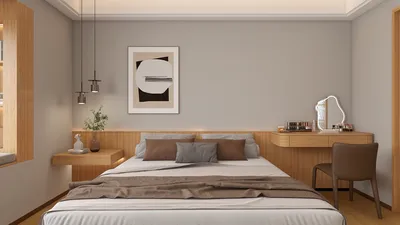


Having worked on countless sliding-door closet installations, I've observed a consistent trend: in spaces where floor area is limited or where a swing door interferes with furniture, sliding systems can reclaim 8–12 square feet of usable space per door compared to conventional 30–32 inch swing doors. This reclaimed space not only creates clearer pathways but also enhances safety and provides a visually cleaner layout. Research from Gensler supports this, indicating that a reduction in physical obstructions leads to an increase in perceived spatial comfort and focus, especially in compact bedrooms and studio apartments where clearances are crucial.
The impact of human factors is equally significant. The WELL v2 standards L08 and L09 emphasize the importance of maintaining clear passageways and minimizing visual clutter, both of which contribute to reduced stress levels and improved daily routines. In the context of closets, this translates to doors that do not intrude into walkways, well-lit interior spaces for easy viewing, and hardware that operates smoothly. When I select tracks and pulls that require only 20–25 Newtons of force to operate, clients tend to utilize their storage more effectively, as it feels effortless.
Plan Your Closet: Dimensions, Loads, and Workflow
Begin with accurate measurements and consider your dressing habits. Typical reach-in closets are 24 inches deep; ensure depth is checked at various points, as walls can be uneven. A clear opening for a two-panel bypass system usually measures 60–72 inches, with each panel measuring about 30–36 inches wide. Aim for a 1/2 to 3/4 inch overlap between panels to eliminate sightline gaps. I frequently design closets with 70% hanging space and 30% folded garments for capsule wardrobes; families often prefer the opposite ratio. Steelcase research indicates that decreasing minor obstructions (like the conflict from swinging doors) enhances efficiency; this principle similarly applies during demanding morning routines at home.
Selecting the Right Sliding System: Bypass vs. Barn vs. Pocket
- Bypass (two or three panels on parallel tracks): ideal for standard closets, as both panels stay within the closet space, creating a space-efficient solution. Keep the access width in mind: at any given time, you can access approximately 50–66% of the closet width, depending on the number of panels.
- Surface-mounted 'barn' sliders: great when ceiling space is limited or when you need a distinctive design; they require clear wall space equal to the door width for each panel.
- Pocket doors: offer a streamlined appearance but necessitate open stud space and precise framing; these are reserved for renovations where walls are opened up.
Before committing, it's worthwhile to evaluate furniture arrangements and door travel digitally. Using a room layout tool can help visualize potential conflicts, such as the swing of doors or gaps between beds and closets, as well as panel overlaps.
Materials and Finishes: Durability, Acoustics, and Mood
The door skins play a crucial role both visually and acoustically. MDF with melamine or high-pressure laminate finishes prevents warping and allows for easy cleaning; veneered plywood adds warmth and offers better screw retention. Installing mirror panels can visually expand small rooms and reflect natural light, but they can also amplify noise if tracks are loose—using felt-lined guides and soft-close mechanisms can mitigate this. For bedrooms that aim for tranquility, soft-matte finishes minimize glare, and color psychology suggests that muted greens and soft blues encourage relaxation (refer to Verywell Mind for accessible insights on color psychology). Pairing these finishes with brushed hardware avoids reflecting highlights in low evening light.
Illuminating the Closet: Achieve Clarity Without Glare
The IES recommends vertical illumination levels that help distinguish colors accurately; in practical terms, I aim for around 200–300 lux on clothing surfaces with a color rendering index (CRI) above 90 where color choice is vital. Utilizing a 3000–3500K LED strip along the inside header or side jams, along with diffusers and a 10–30% setback from the front edge, helps to reduce direct glare while doors are in motion. Adding motion sensors can enhance convenience; make sure that the light controls are easily accessible for maintenance. If mirrors are included, it's wise to limit the light output to avoid harsh reflections and consider edge-lit mirrors for an even skin tone appearance.
Hardware for Smooth Operation: Tracks, Rollers, and Soft-Close Features
Durability lies in the hardware. Opt for extruded aluminum tracks fitted with replaceable nylon or polyurethane rollers that are rated to support at least 30–50% more weight than the door. For a standard 30-inch wide MDF panel (weighing around 25–35 lbs with a mirror), a 75 lb capacity per carriage is a prudent minimum. Utilizing soft-close dampers can significantly minimize impact noise and prolong the lifespan of the finish. Preserve appropriate tolerance margins: 1/2–3/4 inch clearance above the door for hangers, and 3/8–1/2 inch at the floor to prevent scraping on carpet. Ensure the head track is level; a deviation of just 1/8 inch over 6 feet can lead to a misalignment and spontaneous opening.
Organizing the Interior: Zoning According to Usage
Begin your design from the body outward. Position daily-use items between 30–60 inches above the floor, which constitutes the primary reach zone. Implementing double-hang sections proves effective: a lower rod at 40–42 inches and an upper rod at 80–84 inches; plan for an additional 1–2 inches for thicker hangers. Allocate 12–14 inches of shelf depth for folded items and plan for shoes with 10–12 inches of depth and 6–8 inches in height per tier. For shared closets, consider dividing the space vertically so that each person can access their belongings without obstruction when a panel is parked. For children, lower the primary rod to between 36–42 inches and employ adjustable standards to accommodate their growth.
Virtual testing of these zones prior to installation can avoid unnecessary wall damage and weekend stress. Utilizing an interior layout planner can illustrate shelf heights and clearances in conjunction with the sliding panel overlaps.
Step-by-Step Installation: Clean, Square, and Secure
Locate and mark the studs. Ensure the header can support track loads; if the drywall is questionable, install a continuous plywood backer. Confirm that both jambs are plumb and level the head track—make adjustments now rather than dealing with misaligned doors later.
Cut the head and bottom tracks to size, smooth out any rough edges, and pre-drill holes. Use a laser line or a reliable level, securing every 12–16 inches into the structural support and ensure fasteners are flush to avoid roller noise.
Prefabricated panels save time on assembly; custom panels, however, provide precise height and hardware alignment. When opting for a DIY approach, edge-band exposed plywood, reinforce edges where pulls will be installed, and pre-finish all surfaces before hanging to prevent drips on tracks.
Install the doors, then finely adjust the roller height to ensure even reveals. Set anti-jump clips, align floor guides, and thoroughly test the full range of motion multiple times. Add soft-close dampers according to the manufacturer's specifications—this often involves simply clipping them into place once the track datum is set.
If light bleed is a concern, install brush seals where the panels overlap, and incorporate discreet bumpers at the junctions with the jambs. Complete the installation with pulls centered at a height of 36–42 inches; recessed pulls maintain a streamlined profile.
Acoustics and Nighttime Functionality
Bedrooms require mechanisms that operate quietly. Implement felt pads at stop points, damped rollers, and brush seals to reduce high-frequency noise. If sound insulation is a desire, carbon-core or solid-core panels can provide a more substantial auditory experience; hollow cores may sound tinny upon contact. For nighttime use, low-output, warm LED strips with occupancy sensors help minimize disruption of circadian rhythms while keeping pathways illuminated safely.
Safety, Accessibility, and Maintenance Considerations
For homes with children, anti-jump features are essential. Select user-friendly pulls with rounded inner edges to prevent pinch points at overlaps. Maintain the bottom guide free from debris; monthly vacuuming of tracks and a periodic drop of dry PTFE lubricant on rollers every 6–12 months can enhance functionality. If accessibility is key, focus on low-effort sliding mechanisms, D-shaped pulls, and ensure there’s a minimum of 36 inches clear in front of the closet for easy maneuverability—echoing guidelines common in ergonomic principles.
Budget Considerations: Where to Save and Splurge
Practical areas to economize include melamine interior carcasses, standard finishes, and modular shelf systems that can be upgraded later. It is worth investing in the tracks/roller system and the soft-close feature; these components significantly affect daily usability. If immediate expenses are a concern, mirrors can be added later as stick-on safety glass—just ensure roller capacity is confirmed first.
Design Features that Enhance Aesthetic Appeal
- Continuous head valance to conceal the track
- Slim black reveals or metal edge trims for a refined appearance
- Two-tone panels (upper/lower contrasting colors) to break up large surfaces
- Integrated toe-level lighting for safe access at night
- Coordinating closet interior and door finishes to create a cohesive look
Frequently Asked Questions
When compared to traditional 30–32 inch swing doors, sliding systems free up the swing arc, yielding around a 7–8 square foot difference in footprint. In compact spaces, this often means the distinction between having a clear passage and colliding with a bed or dresser.
Standard residential panels typically measure 80 inches in height and 24–36 inches in width. For a 60–72 inch opening, using two 30–36 inch panels is a suitable choice. Remember to maintain a 1/2–3/4 inch overlap for optimal privacy and light control.
Bypass systems generally integrate a bottom guide rather than a full track to prevent swaying. Full bottom tracks provide greater stability but can complicate transitions with carpeting. Surface-mounted barn sliders forego a bottom track, yet necessitate a sturdy upper support structure.
Aim for 200–300 lux on vertical surfaces illuminated by 3000–3500K LEDs with a CRI of 90+ to ensure accurate color representation. Utilizing diffused strips placed slightly behind the leading edge can significantly reduce glare while sliding.
In many cases, yes. Numerous manufacturers offer clip-in dampers that are compatible with standard profiles. Always check the track specifications and door weight; most dampers come with specified weight limits.
Sliding doors can be fantastic for enhancing both perceived space and practicality. Manage reflections through matte surroundings and use soft-close hardware to maintain a peaceful acoustic environment.
MDF with melamine or HPL finishing is an economical and stable option. Veneered plywood offers a richer look and superior screw retention. For weight-sensitive applications, consider honeycomb cores with solid edging.
Ensure that the head track is perfectly level, add soft-close features with hold-close capabilities, and check that the floor does not slope to one side. Some guide frameworks are designed with light friction to help keep panels in place.
Leaving a 1/2–3/4 inch gap above the doors for the track and hangers, a 3/8–1/2 inch gap at the floor level, and maintaining at least 36 inches of clear space in front of the closet ensures user comfort.
Absolutely; just ensure that the panel positions allow drawers to open fully within the accessible bay. Utilizing low-friction, full-extension slides can make access comfortable, even behind a sliding door.
For maintenance, it’s advisable to vacuum monthly, wipe surfaces with a dry cloth, and apply dry PTFE or silicone lubricant sparingly on rollers. Avoid oils, as they tend to attract dust and can cause accumulation over time.
When walls are accessible and you desire full-width access without the obstruction of parked panels, pocket doors are a great solution. However, they require precise framing and quality cavity kits; they excel in renovation projects but are less suited for quick DIY tasks.
With effective planning, appropriate hardware, and careful consideration of lighting and ergonomics, a sliding-door closet can transform awkward spaces into functional storage areas, all while creating an intentional aesthetic from day one, particularly when integrated with tools like Homestyler for layout visualization.
Homestyler is your go-to online home design platform! With its user-friendly design tool, stunning 3D renderings, and an abundance of inspiring design projects and DIY video tutorials, you can effortlessly create and visualize your dream space. Transform your home with ease today!
Diseño ahora GRATIS
































