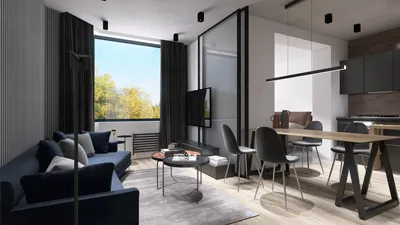


I often rely on sky blue when designing spaces that require a sense of calm, lightness, and a touch of modern elegance. This color not only frames natural light beautifully but also pairs seamlessly with both warm and cool materials. In practice, sky blue minimizes perceived visual clutter, thus enhancing focus and concentration. Research from Steelcase indicates that workplaces that balance an aesthetically pleasing calmness with contrasts can boost cognitive comfort and perceived control—both of which are essential for productivity. Additionally, the WELL v2 guidelines advocate for soothing color palettes and glare management within their Mind and Light concepts, associating sky blue with stress reduction and improved visual comfort.
Light plays a crucial role, just as much as paint does. According to the Illuminating Engineering Society, the recommended light levels for living rooms should fall between 300 to 500 lux, while task surfaces like kitchen countertops and desks ought to have about 500 lux (IES standards). Interestingly, sky blue’s perception shifts with color temperature; under warm light conditions of 2700 to 3000K, it appears softer and more relaxed, whereas at 3500 to 4000K, it presents a clean and crisp essence. Above this temperature, the color adopts an airy and modern vibe. Research in color psychology also highlights blue’s link to calmness and trust, which is why it frequently graces bedrooms and offices. These insights influence how I curate palettes that are not only beautiful but also impactful in real-life settings.
Sky Blue + Warm Neutrals: Embracing Soft Modernity
Designing a room with sky blue walls complemented by warm white tones (consider a creamy undertone) along with oat-beige upholstery and mid-tone oak creates an inviting ambiance without sacrificing warmth. I suggest adhering to a 60/30/10 ratio: 60% warm neutral surfaces (like ceilings and larger walls), 30% sky blue featured walls, and 10% in accents, perhaps using caramel leather, matte brass, or terracotta decor. The warmth counteracts the coolness of the blue, while brass or aged bronze provides a modern, grounded feel.
Sky Blue + Charcoal + White: Achieving a Graphic and Sleek Look
For a more dynamic aesthetic, layer sky blue panels with charcoal accents, white ceilings, and graphite textiles. Choosing clean-lined furniture along with minimal joinery creates a streamlined appearance. Using charcoal for baseboards or door frames helps define transitions while enhancing visual flow. In spaces with high activity, I aim for an ambient light of 4000K accompanied by well-shielded sources to reduce glare while maintaining 500 lux on task surfaces, resulting in a serene atmosphere reminiscent of an art gallery, yet still contemporary.
Sky Blue + Sand + Black Accents: Striking a Coastal-Urban Harmony
Combine sky blue with sand-toned microcement, off-white linen, and a few matte black accents—think lamp bases and frames. The sand tones warm the blue and reflect the natural hues of stone or bleached wood. It’s advisable to keep black accents under 10% in the décor to maintain the overall softness. This combination thrives with a semi-matte wall finish to diffuse light effectively; avoid glossy finishes as they can create excessive glare that tires the eyes, especially with brighter LEDs.
Sky Blue + Sage + Natural Oak: Introducing Biophilic Comfort
Sky blue paired with soft sage green can create an exquisitely serene environment. Employ sky blue on expansive areas and sage on detailed millwork or textiles. Incorporating oak flooring and woven textures can seamlessly blend the palette together. The WELL v2’s Mind and Light concepts support biophilic design, suggesting that clusters of green (think plants, fabrics, or paint) help mitigate stress. For a natural daylight ambiance during evenings, keeping color temperatures around 3000 to 3500K proves effective.
Sky Blue + Blush + Pearl Gray: Crafting Contemporary Soft Glam
In spaces like bedrooms and lounges, introducing blush textiles (for items like headboards or throws) and pearl-gray drapes against sky blue walls creates an elegant yet cozy vibe. Opt for brass hardware and low-sheen velvet for an elevated touch. Use layered lighting strategically: set ambient light at around 300 lux, bedside reading lights at 500 lux, and consider dim-to-warm accent lighting for mood alterations. This palette captures a romantic essence, yet avoids becoming overly sweet.
Sky Blue + Burnt Orange + Walnut: Creating Confident Contrasts
In a modern living area, a bold burnt orange armchair accompanied by walnut side tables against a sky blue backdrop creates a captivating contrast. This blend embodies a complementary tension where the warm, vibrant orange energizes the environment while sky blue provides a calming effect. To maintain sophistication, balance with neutral rugs and utilize lighting around 3500K to preserve color form.
Sky Blue + Mustard + Soft White: Finding Mid-Century Inspiration
Accenting sky blue with mustard elements—think cushions or artwork—works brilliantly when balanced with soft white walls and pale oak flooring. Favor curvy silhouettes and tapered legs in furniture design. Aim for lower gloss across all surfaces: a satin finish on walls and eggshell on trim generally achieves ideal light reflection without causing glare.
Sky Blue + Deep Navy + Linen: Achieving Tonal Depth
Create a cohesive tonal narrative by employing sky blue for walls, complemented by navy cabinetry or a matching rug, and natural linen upholstery. This layered blue aesthetic benefits from abundant daylight or 3500K LED lights to prevent the navy from feeling overly heavy. Incorporate brushed nickel or stainless hardware to introduce a cool, sophisticated accent.
Utilizing Sky Blue in Small Spaces: Enhancing Visual Space
In compact areas, sky blue can effectively create an illusion of depth, making walls appear to recede. For ceilings, paint them one or two shades lighter than the walls to elevate the space visually, and maintain baseboards in line with the walls' color to minimize visual breaks. Strategically placed mirrors can amplify light, but avoid direct glare; tilting mirrors slightly downward helps prevent hotspots. When designing tight bedrooms or studios, utilizing a room layout tool like Homestyler can optimize circulation and visibility before solidifying final decisions on-site.
Textiles and Materials: Prioritizing Tactility
Sky blue is best complemented by natural textures such as boucle, washed linen, cane, and lightly brushed oak. In high-contact areas, it is important to choose performance fabrics with a soft touch to maintain comfort without compromising on durability. When it comes to kitchens and bathrooms, matte or honed stone finishes impart a modern aesthetic while minimizing glare, crucial for ergonomic visual comfort.
Lighting Strategy for Sky Blue Color Schemes
I generally set ambient lighting levels between 300 and 400 lux for living areas, while aiming for 500 lux on work surfaces and reading nooks, in accordance with IES recommendations. Selecting light sources with a Color Rendering Index (CRI) of 90 or above helps keep sky blue true to form, ensuring warm accents remain unaffected by color distortion. Incorporating wall washers can smooth out luminance levels and reduce harsh shadow lines on expansive blue walls. In north-facing rooms, employing 3000 to 3500K warm lighting is ideal, while south-facing spaces benefit from 3500 to 4000K to match stronger daylight.
Layout and Proportion: Ensuring Visual Ease
Sky blue typically serves best as a base color punctuated by accent hues. I advocate for a visual balance comprising 50% light neutral surfaces, 30% sky blue areas, and 20% in accent colors and natural woods. Ensure pathways remain spacious, with at least 900 mm (36 inches) for ease of movement. Ground blue walls by anchoring them with rugs or consoles, evading a disjointed floating appearance.
Ceilings, Doors, and Trim: Subtle Enhancements
For a modern edge, consider painting doors a shade darker than the sky blue walls, matching the trim to the wall color but in a glossier finish, and keeping the ceiling slightly lighter. This technique minimizes visual breaks while refining lines without introducing harsh contrasts. In minimalist settings, a cohesive color palette where walls, trims, and doors are all painted in the same sky blue can be striking, particularly in rooms with abundant natural light and a variety of textures.
Kids’ Rooms and Creative Studios: Tailored Inspiration
Sky blue is an excellent choice for children’s rooms, especially when paired with lively citrus or coral accents. Opt for larger storage units in warm white to adapt to evolving preferences. In creative studios, balance the calming effect of blue with warm cork pinboards, ensuring task lighting reaches up to 500 to 750 lux for intricate work as per IES guidelines. Incorporating light gray felt acoustic panels helps to reduce sound while maintaining an airy atmosphere.
Entryways and Bathrooms: Making Small Statements
In narrow corridors or compact bathrooms, opting for a sky blue vanity or a door against soft white tiles offers a quick modern update. Favor brushed finishes for fixtures to avoid glaring reflections. In shower areas, a combination of sky blue alongside pale terrazzo and matte nickel can evoke a sleek, spa-like vibe.
Maintenance and Finish Choices
Utilizing washable matte paint on extensive sky blue walls preserves depth, while shifting to satin or semi-gloss for trims and doors is advisable. High gloss finishes can skew sky blue toward harshness, particularly under bright LEDs. When retouching, roll out edges carefully to avoid flashing, as color discrepancies are more noticeable on cooler hues.
Bringing It All Together
Sky blue provides a serene yet modern atmosphere when balanced with warm textures, appropriate lighting levels, and a carefully curated palette ratio. It’s essential to adjust color temperature according to the room's orientation, maintain a high CRI, and let materials like timber, linen, or metal add depth. Thoughtfully placed contrasts—whether charcoal, mustard, blush, or burnt orange—can transform a calm setting into a memorable modern space, all while utilizing tools like Homestyler to visualize your design.
FAQ
For most living spaces, using a color temperature of 3000 to 3500K keeps sky blue looking natural and inviting. In environments with high contrast, particularly modern designs or south-facing rooms with ample daylight, a color temperature of 3500 to 4000K maintains crispness without feeling sterile.
Limit sky blue coverage to around 30 to 40% of visible surfaces. Incorporate lighter ceiling hues and warm neutrals on the remaining surfaces to prevent the space from feeling overly cool. Employ mirrors and satin finishes to help reflect light without causing glare.
Timbers such as oak, ash, and light walnut present a harmonious blend with sky blue. Oak contributes warmth, ash maintains an airy feel, and walnut offers depth in contrast-heavy arrangements.
Absolutely. Opt for a sky blue with a warm undertone (subtle hints of green or gray) and adjust lighting to 3000 to 3500K to balance cool daylight. Adding warm textiles and brass or leather accents enhances the overall warmth of the palette.
Accents in charcoal, burnt orange, mustard, blush, and matte black modernize the space without overwhelming it. It’s wise to keep accent saturation in check, ideally between 5 to 10%, for sophisticated styling.
Layering textures like linen, boucle, and cane while varying surface sheens—like washable matte on walls and eggshell or satin on trim—can create a rich, tactile experience. Use wall washers to soften shadows and ensure gentle, even lighting throughout the space.
Certainly. Blue is linked to tranquility and concentration. Be sure that task areas reach 500 lux as per IES recommendations while using light sources with a CRI of 90 or above to maintain color accuracy for important documents and materials.
Definitely. Choose a lighter shade compared to the walls to enhance perceived height. Pair this with warm white walls and pale wood floors to achieve visual harmony.
Opt for brushed nickel and matte brass as your hardware choices. Nickel brings a cool, tailored aesthetic, while brass introduces warmth and depth to the palette.
Implement sky blue through elements like drapery, rugs, bedding, or removable decals. Artwork and cushions are also great ways to incorporate the hue without permanent alterations.


Discover the ease of home design with Homestyler! This user-friendly platform offers a fantastic online design tool, stunning 3D renderings, and a diverse selection of design projects. Plus, with DIY video tutorials, it's never been easier to turn your dream home into reality!
Diseño ahora GRATIS
































