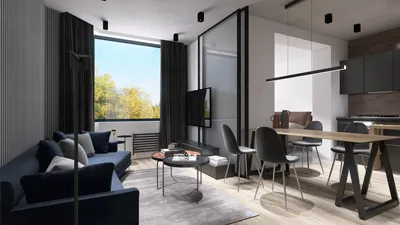


The future is approaching rapidly, and single-story three-bedroom floor plans have emerged as a favored choice for families seeking simplicity along with the flexibility to adapt. The challenges families face today are quite evident: traditional layouts can fragment daily routines. Reports from AIA continue to indicate a rising preference for open yet delineated living spaces that promote comfort for multi-generational households. I view homes as structured systems, and this generation of designs represents foundational code we will inhabit, offering a spatial reasoning toolkit.
As reflected in the trends from Zillow and NAHB—where work, caregiving, and relaxation now intersect—my clients are increasingly looking for a one-level design that can accommodate future changes without the need for extensive renovations. Here, the focus keyword is clear: single-story three-bedroom floor plans.
Courtyard Spine Layout
Design Logic: A central garden area serves as both a thermal and social anchor, effectively separating public and quiet zones while promoting climate-resilient living.
Flow: The movement goes from the entryway to the kitchen hub, then to the living pavilion, around the courtyard loop, and finally to the bedroom wing—creating a circular plan that minimizes unnecessary backtracking.
Sightlines: The design creates layered perspectives—from the front entrance to the hearth, from the hearth to the greenery, and from the greenery to the primary suite; this organization moves from public to private spaces, akin to nested menus in a user interface.
Storage: The perimeter millwork functions as cache lines, including a pantry wall, bench niches, and linen towers—all tailored to accommodate frequently used items throughout the day.
Furniture Fit: Sofas are designed with a depth of 36-40 inches, dining tables measure 84 by 40 inches, and beds are centered with a 30-inch clearance; these specifications ensure ergonomic comfort and efficient use of space.
Verdict: In five years, this layout will adapt to hybrid work situations, children's activities, and elder care needs seamlessly, all without requiring significant layout modifications—making it a resilient and efficient design.
save pinOpen in 3D Planner Processing...
Offset Bedroom Triad
Design Logic: The staggered arrangement of three bedrooms along a calm axis provides acoustic buffers and privacy for households with varying schedules.
Flow: From the garage and mudroom to the utility core, then to the kitchen, living space, and into the triad corridor—this design concept allows routines to function smoothly without stagnation.
Sightlines: The primary bedroom overlooks the garden, while secondary rooms are strategically angled toward light wells; the corridor ensures controlled exposure to sounds—delivering notifications, not disturbances.
Storage: Spacious hall closets (24-30 inches deep), organized mudroom cubbies, and under-bed drawers form a layered storage solution that keeps high-use items near the living areas.
Furniture Fit: Queen bedrooms accommodate 60 by 80 inch beds with a 36-inch clearance, and the flex room is designed at 10 by 12 feet for a desk or sofa bed, with intentional tolerances for easy adjustments.
Verdict: This triad layout quietly prepares for future considerations such as remote work, new parents, or visiting relatives—ensuring privacy as an inherent structural element rather than a decorative one.
save pinOpen in 3D Planner Processing...
Great Room + Flex Node
Design Logic: A spacious great room serves as the focal point of the design, while a versatile sliding-door flex node transitions easily from a study to a playroom or care suite as life demands change.
Flow: The journey flows from the front porch through a foyer checkpoint into the great room and the flex node, and finally out to the patio; this design ensures that work and leisure activities can coexist harmoniously.
Sightlines: The primary vision line extends from the kitchen to the garden, while the secondary axis frames the flex node like a modal window—easily visible and functional yet easily dismissible.
Storage: Features such as an appliance garage, a 12-foot media wall, and a walk-in pantry help cluster essential items close to demanding tasks, aiming to reduce mental strain during daily activities.
Furniture Fit: A sectional couch measuring 9 by 9 feet, an island at 9 by 3 feet, and the flex node containing a 72-inch desk and a foldable lounge area—each dimension is intentional for future-proofing.
Verdict: The upcoming years will favor this adaptable room design—one cohesive volume that manages changing lifestyle needs without sacrificing tranquility.
save pinOpen in 3D Planner Processing...
## Final Takeaway
The design of single-story three-bedroom homes goes beyond mere square footage; it focuses on effective use of space, responsiveness, and designs that grow with families over time. These single-story three-bedroom floor plans, along with their variations such as one-level family layouts and ranch-style designs, function much like adaptable code that can be optimized without needing structural changes. The key to making an intelligent long-term decision is a plan that coordinates flow, storage, and furniture in a seamless manner. In my experience, even small spatial adjustments act like subtle firmware updates, keeping homes equipped for the future, and tools like Homestyler are invaluable in visualizing these possibilities.


Hymus 100% Solid Oak Wood Desk - Small Writing Des
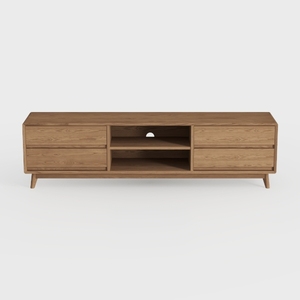
OKD TV Stand for 75+ Inch TV, Mid Century Modern
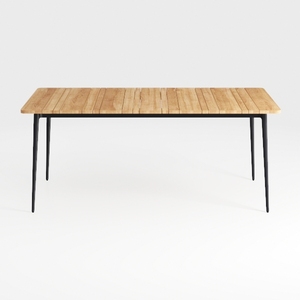
Branch Daily Desk - Functional at Home Office Desk
Homestyler is a fantastic online home design platform perfect for all skill levels. With its user-friendly design tool, stunning 3D renderings, a wealth of design projects, and helpful DIY video tutorials, you can effortlessly transform your vision into reality. Start creating your dream space today!
Projete agora para LIVRE
































