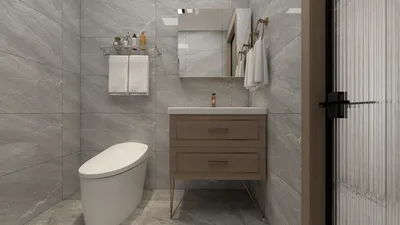


Opting for shower wall panels instead of traditional tiles can significantly streamline installation while providing an elegant, watertight finish. In my experience, these panels often reduce both project duration and associated risks. It's worth noting a key statistic: according to the National Kitchen & Bath Association (NKBA), bathroom renovations are among the most effective projects for enhancing a home’s value, with primary bathrooms frequently yielding a double-digit return on investment in numerous markets. When combined with occupant wellness standards from WELL v2, which emphasize the importance of moisture management and easy-to-clean surfaces for healthier interiors, selecting panels begins to appear as a strategic decision rather than merely a shortcut. Utilizing a tool like Homestyler can further aid in visualizing your design choices and maximizing your space.
When it comes to durability and upkeep, panels excel silently yet efficiently. Steelcase’s research into materials used in workplaces indicates that surfaces that are easy to clean can greatly reduce maintenance efforts and enhance hygiene, principles that apply equally to residential bathrooms. The WELL v2 guidelines also stress the importance of preventing mold and ensuring proper ventilation; solid-surface or PVC composite panels create far fewer grout lines where biofilm can thrive. For homeowners, this results in quicker weekly cleaning routines and reduced long-term maintenance expenses.
Evaluate Your Current Conditions
Prior to installing a panel, I verify the integrity of the substrate, assess plumbing configurations, and ensure effective moisture control. It's essential to check that the studs are plumb, measure corner angles accurately, and confirm that the walls are flat within 1/8 inch over 4 feet to prevent any gaps. A code-compliant exhaust fan must be appropriately sized, and it's important to check the depth of the shower valve in relation to the thickness of the panel. If you're planning to adjust the shower layout or the door's swing, utilizing a room layout tool can be instrumental in visualizing necessary plumbing clearances and circulation. Consider using Homestyler to effectively map out features like niches and benches before making any cuts.
Select the Appropriate Panel Material
Choosing the right material depends on your budget, aesthetic preferences, and expected wear. Solid-surface or cultured marble panels provide a seamless look, which is beneficial for minimizing seams. Lightweight acrylic panels are budget-friendly and come in a wide range of styles. PVC composite panels resist moisture and are straightforward to cut, making them ideal for DIY projects. For a more upscale finish, engineered stone or high-pressure laminate (HPL) provides sharp aesthetics with significant durability. I often advise selecting textured finishes for homes with children as they effectively mask water spots, while semi-gloss surfaces can brighten up lower-light bathrooms without causing glare.
Design Joints, Transitions, and Storage Thoughtfully
Achieving a polished appearance during installation requires careful consideration of joints. Dry-fit the panels to ensure seams align with natural sight lines, such as behind the shower head or centered on a feature wall. Integrate a recessed niche at a reach-friendly height (typically 42–48 inches from the ground for most users) and maintain a slight slope for drainage on the bottom shelf. Transition trims, such as J-channels, corner profiles, and end caps, should match the color temperature of the panels to ensure visual harmony. Where panels converge with tubs or shower bases, apply a flexible sealant that is compatible with the material—acrylic-friendly, non-staining silicone is my go-to solution.
Focus on Ergonomics and Human Factors
The usability of the shower increases significantly when controls, spray angles, and storage are placed within natural reach zones. Position the valve so it can be operated without standing directly under the spray, generally around 38–42 inches above the finished floor on the entry side. A hand shower that is mounted between 60 and 72 inches caters well to multi-user households. Consider the overall spatial rhythm: panels with vertical designs can make short walls appear longer, while horizontal patterns can give the illusion of breadth in narrow stalls. If incorporating a bench, a height of 17–19 inches with a gentle pitch (roughly 1/8 inch per foot) ensures comfort and safety.
Lighting, Visibility, and Color Psychology Insights
Even, bright illumination significantly influences how the panels are perceived. Aim for general bathroom lighting of 300–500 lux, complemented with focused task lighting near the vanity, adhering to IES recommendations for residential areas. In the shower, choose diffuse, damp-rated fixtures that minimize harsh shadows. A color temperature of around 3000–3500K evokes a warm, spa-like ambiance while maintaining visual contrast—crucial for visual clarity. For mood enhancement, insights from Verywell Mind reveal that soft blues and greens can have calming effects; using these hues in panel finishes can create a relaxing atmosphere during morning routines and a soothing environment for winding down at night.
Master Waterproofing and Ventilation Principles
Panels are only as effective as the moisture management strategy employed. Utilize a compatible backer, such as cement board or waterproof foam board, and install a continuous vapor barrier as required by local codes. Seal all vertical and horizontal seams diligently and back-caulk trims. A well-sized exhaust fan should target around 8 air changes per hour in the bathroom and must be operated during and after showers. Connecting the fan to a timer set for 20–30 minutes can help eliminate humidity and safeguard the integrity of panel adhesives and seals.
Step-by-Step DIY Installation Guide
1) Measure and create a template: Accurately capture wall dimensions, valve placements, and niche cutouts. 2) Prepare your substrate: Ensure it is square, plumb, and dry; rectify uneven spots using shims or leveling compound. 3) Dry-fit: Test fit panels, mark seams, and confirm reveal lines. 4) Cut and finish edges: Employ fine-tooth blades and sand lightly for neat edges. 5) Apply adhesive and place panels: Follow the manufacturer's suggested pattern; apply consistent pressure and brace if necessary. 6) Trim and seal: Begin with profiles, then apply continuous beads of quality silicone; tool the joints for a smooth radius. 7) Cure and test: Adhere to recommended cure times; conduct a leak test, especially around niches and fixtures.
Material Selection and Sustainability Considerations
Opt for low-VOC adhesives and sealants to enhance indoor air quality. Whenever feasible, choose panels that contain recycled materials or those which can be fully repaired—solid-surface options are often refinishable, extending their usable life. Panels with light-reflective surfaces minimize the need for high lumen outputs, reducing overall energy consumption. If you are replacing old tiles, ensure you plan for responsible disposal, as many communities accept clean construction debris separately from general waste.
Enhancing Acoustic Comfort
Hard surfaces can intensify splash sounds. If the bathroom is adjacent to a bedroom, consider adding acoustic backing, such as resilient channels or mineral wool within stud bays. Using soft finishes—including shower curtains made of sound-absorbing textiles or placing rugs outside the enclosure—helps to balance sound reflections. Maintaining moderate water pressure can also mitigate impact noise on the panels and enhance user comfort.
Design Elements That Elevate Aesthetic Appeal
Incorporating slim grout-look reveals can add visual interest without additional maintenance. An accent wall—featuring a darker panel hue behind the shower head—creates depth while keeping side walls light. In compact bathrooms, opt for low-contrast seams to maintain visual continuity. Trims in matte black or brushed nickel complement most panel finishes; ensuring consistency in hardware (valves, pulls, trims) stabilizes the overall design.
Avoid These Common Installation Mistakes
Neglecting substrate preparation, using incompatible sealants, and overlooking curing times can all lead to installation failures. Ensure not to attach accessories directly to the panels without appropriate anchors; blocking or specialized fasteners should be utilized per manufacturer specifications. Avoid placing niches on exterior walls in cold climates unless robust insulation measures are taken.
Establish a Consistent Maintenance Routine
Utilize non-abrasive cleaning agents and run a squeegee post-showers to minimize spots. Regularly inspect seals and refresh silicone where dulling or micro-cracks appear. For solid-surface materials, occasional polishing can invigorate sheen. Remember to keep the exhaust fan clear, as performance diminishes when grilles become clogged.
Frequently Asked Questions
Lightweight acrylic or PVC composite panels are generally the easiest to cut and fit. While solid-surface panels provide excellent durability, they are heavier and may require two individuals for installation.
Absolutely. Just ensure that a moisture-resistant backer is used and that all seams are securely sealed. Panels lower moisture exposure but should not replace essential waterproofing measures.
Use corner trims and end caps that are matched to the manufacturer's specifications. Conduct a dry fit to assure clean lines, then seal with compatible silicone to achieve a watertight result.
Often yes, as long as the tile underneath is secure, flat, and clean. Always check with the panel manufacturer and consider the added thickness around valves and trims.
Damp-rated, diffuse lighting fixtures with a color temperature of 3000–3500K reduce glare. Aim for overall lighting of 300–500 lux and incorporate task lighting at the vanity according to IES guidelines.
It's essential to maintain proper ventilation (aiming for sufficient airflow via an adequately sized exhaust fan), thoroughly seal seams, and utilize a squeegee post-use. Panels help limit grout, which reduces mold-friendly crevices.
Quality upgrades for bathrooms usually boost resale value. The NKBA has found that bathrooms are among the top remodels that add value; clean, modern panels convey a low-maintenance, contemporary feel.
Seek out low-VOC adhesives and panels made from recycled materials. Solid-surface panels can often be refinished rather than replaced, which extends their life and minimizes waste.
Incorporate acoustic insulation in shared walls and maintain moderate water pressure. Soft furnishings outside of the enclosure can trap sound reflections.
Certainly. Be meticulous with your cutouts, ensure surfaces are sloped for proper drainage, and bolster blocking as necessary. Always follow the manufacturer’s guidelines for sealing around penetrations.
With proper preparation complete, many DIY enthusiasts can finish a standard three-wall surround in a weekend. The pace is largely determined by dry-fitting and curing times.
Non-abrasive cleaning, regular inspections of seals, and effective ventilation are key to keeping panels in pristine condition. Re-seal joints as required to uphold waterproofing.
Homestyler is your go-to platform for transforming your home design dreams into reality. With its user-friendly online design tool, stunning 3D renderings, diverse design projects, and helpful DIY video tutorials, creating your ideal space has never been easier or more enjoyable!
Zaprojektuj teraz za darmo
































