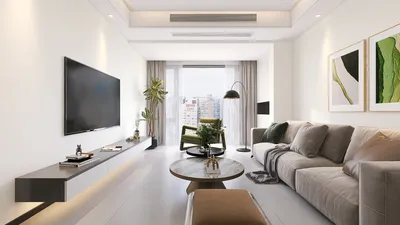


I view pooja rooms as sacred spaces—compact yet significant. The selection of the right flooring is crucial as it sets the ambience and facilitates rituals: it should be easy to maintain for daily practices, non-slip to ensure safety, visually calming to enhance focus, and durable enough to withstand spills from oil, water, and incense. In my latest designs, I've favored matte porcelains, refined natural stones, and textured ceramics to harmonize traditional aesthetics with modern elegance, complementing tools like Homestyler for planning layouts.
Research consistently indicates that our surroundings influence behavior. The WELL v2 standard emphasizes the importance of reducing glare and providing uniform lighting to promote visual comfort and tranquility; this principle is particularly applicable to reflective surfaces in proximity to flames. The Illuminating Engineering Society recommends that residential areas maintain ambient lighting between 100–300 lux alongside task-specific layers ranging from 300–500 lux for intricate tasks—these guidelines help inform tile selection that minimizes harsh reflections. For physical comfort during rituals, studies by Herman Miller show that reduced strain is linked to fewer slips and stable footing—essential considerations when opting for slip-resistant finishes near wet or oily areas. I incorporate these benchmarks when determining reflectivity and texture.
Color selections significantly affect meditation and reflection. According to Verywell Mind's exploration of color psychology, warm neutrals and soft whites foster a sense of purity and clarity, while delicate earthy tones evoke stability. When paired with low-gloss finishes and thoughtful lighting, floor tiles can serve as a tranquil backdrop that enhances the beauty of sacred objects without causing visual distraction.
Foundations: Material Selections that Honor Ritual
When it comes to flooring for pooja areas, I focus on three key types of materials: matte porcelain, honed natural stone, and artisan ceramics.
Color and Finish: Tranquility Without Gleam
Glossy tiles can enhance glare at 300–500 lux lighting levels. I recommend selecting tiles with a gentle light reflectance value (LRV) ranging from 40 to 60 to achieve brightness without an overwhelming shine. Soft whites with warm undertones, sandy beige, pale taupe, or dove grey create a soothing base. In more traditional contexts, muted terracotta or tea-wash beige tiles can ground the environment, particularly when accented by brass decor. Any veining should be understated, as heavy patterns can draw attention away from the idols and floral offerings.
Sacred Geometry at Your Feet
Geometric patterns can add depth and meaning without cluttering the design. I typically outline the sacred space with a simple border inlay or a tone-on-tone mandala rosette positioned in front of the altar, employing two effective strategies:
For experimenting with altar placements or flow within the space, a lightweight layout tool can assist in visualizing the arrangement of tile areas, borders, and rugs before finalizing any decisions.
Scale and Proportion for Cozy Pooja Spaces
In many modern residences, pooja spots are often integrated into a niche or a glass-fronted cabinet. Utilizing larger tiles (24×24 in / 600×600 mm) minimizes grout lines and visually opens up small areas. In tiny setups, a 12×24 in tile arranged in a simple stack bond maintains a calm rhythm. It's best to avoid busy patterns or high-contrast grout; a grout color that closely matches the tile will extend the visual field and keep the focus on the altar.
Slip Resistance and Care Ease
With the potential for spills from water, oil, and flower petals, floors can become dangerously slippery. In areas prone to moisture directly in front of the altar, I recommend tiles that feature micro-textures or structured matte surfaces. For natural stone options, a honed finish paired with a superior penetrating sealer achieves a balance between grip and ease of maintenance. Daily cleaning should utilize pH-neutral products; it is advisable to avoid acidic substances on limestone or marble. Additionally, placing a washable cotton rug can provide comfort for kneeling, ensuring it has a low-profile non-slip base.
Lighting Considerations: Reducing Glare, Enhancing Serenity
With ambient lighting at 100–300 lux, warm 2700–3000K bulbs can enhance the soft glow of candles. For those reading mantras, incorporating a 300–500 lux task layer via a small sconce or hidden LED strip is beneficial. To mitigate bright spots on flooring, use diffusers with wide beams alongside matte tiles to maintain gentle luminance ratios. If your pooja room includes reflective brass accents, selecting a low-sheen floor can help manage contrast and reduce afterimages during meditation. Consult research summaries regarding visual comfort through the WELL Standard and IES for optimal practices.
Pattern Discipline: Subtle Designs That Complement
When clients inquire about patterns, I often recommend the following:
Reserve bold motifs for wall panels or door accents to keep the floor visually serene.
Ideal Tile Combinations by Style
Opt for matte porcelain in warm white, 24×24 in, with a matching grout. Add a slim darker border to provide grounding for the altar. Pair this with concealed LED cove lighting to softly illuminate the walls.
Choose honed marble or limestone in soft beige with a slightly darker inlay detail. Maintain a low polish to prevent glare from oil lamps.
Select porcelain tiles that mimic stone in sandy hues; structured matte textures can be ideal in front of the altar to ensure safe footing. A modest tone-on-tone mandala can add craftsmanship without adding shine.
Sound Absorption and Ritual Silence
Hard tiles can reflect noise. If chants or bells are integral to daily practices, incorporating a small natural-fiber rug, soft-close cabinetry, and drapes on nearby windows can help. Opt for felt pads on doors; these modifications help reduce echoes without hampering cleanliness.
Environmental and Wellness Aspects
Opting for porcelain made with recycled materials and low-VOC adhesives supports a healthier indoor space. Natural stones offer longevity; select those sourced from responsible quarries when feasible. Ensure proper ventilation since incense particulates can settle on floors, thus regular cleaning with easy-care tiles and damp mopping will help maintain both appearance and air quality.
Installation Insights: Important Details
Layout Strategies for Limited Spaces
In apartment settings, I often design a 36–48 in deep pooja niche with a clearly defined inset flooring. A contrasting matte border or an 18–24 in medallion can effectively signify the sacred area within a contemporary open-plan layout. Before committing to tiling, it’s useful to simulate layouts using an interior planning tool to check for altar clearance, kneeling areas, and door swings. Ensure circulation pathways are unobstructed and avoid placing high-gloss floors opposite bright light sources that might create reflective glare.
Cleaning Rituals
A quick morning sweep, followed by a damp mop with a pH-neutral solution post-oil rituals, and a weekly grout clean will maintain the area clean. Rotate the kneeling rug to even out wear. For persistent spills, start with warm water; if needed, switch to a mild, stone-friendly cleaner.
Suggested Tile Ideas to Explore
Frequently Asked Questions
Q1. Which tile finish is the safest for use near oil lamps and water?
A matte or structured matte finish (whether porcelain or honed stone) provides optimal traction; seek out R10–R11 slip resistance ratings when possible and steer clear of glossy surfaces in altar spaces.
Q2. What color tiles create the most serene pooja environment?
Warm whites, sandy beiges, and pale taupes offer clarity without reflecting excess light. Soft earthy tones help ground the space and complement brass or wooden elements.
Q3. Are larger tiles preferable for compact pooja rooms?
Absolutely. Larger tile sizes decrease grout lines and visually enhance smaller nooks. A 24×24 in tile arranged in a stack pattern appears simple and refined.
Q4. How can I avoid glare from oil lamps reflecting on the floor?
Utilize matte tiles, warm lighting in the range of 2700–3000K, and diffuse beam angles. Maintain ambient lighting between 100–300 lux and introduce task lighting only in necessary areas to inhibit bright spots.
Q5. Is marble suitable for use in a pooja space?
Yes, provided it is honed (not polished) and appropriately sealed. Periodic resealing and cleaning with pH-neutral solutions will prevent etching and stains.
Q6. What’s an effective way to define the sacred area within a larger room?
Incorporate a subtle border inlay or a centered tone-on-tone medallion. When planning layouts, utilize a simulation tool to ensure comfortable kneeling space.
Q7. How can I tackle acoustic issues in hard tile surfaces?
Introduce a small natural-fiber rug with a non-slip bottom, along with soft-close mechanisms and felt pads on doors. This setup will reduce high-frequency sounds generated by bells while minimizing echo.
Q8. What grout color should I select?
Select a grout tone that closely matches your tile color to maintain visual tranquility. In ritual areas, mid-tones are more forgiving for camouflaging occasional blemishes compared to pure white.
Q9. Is porcelain superior to ceramic for pooja flooring?
Porcelain typically has a higher density and moisture resistance, making it ideal for spaces that encounter oil and water. Floor-rated ceramics can also be suitable if they comply with wear and slip ratings.
Q10. What maintenance routine do you suggest?
Daily sweeping, damp mopping with pH-neutral cleaner post-rituals, along with quarterly grout assessments for refreshment are recommended. Test stone surfaces once a year to ascertain if resealing is necessary.
Q11. How large should a floor medallion be?
For most niches, a medallion with a diameter of 18–24 inches is adequate to center the ritual focus while avoiding congestion in circulation paths.
Q12. Are patterned tiles suitable for use?
Indeed, provided that patterns remain subtle and matte. Reserve high-contrast designs for walls; the floor should subtly recede to emphasize prayer items.



Homestyler is an ideal platform for home design enthusiasts. With its user-friendly online design tool, stunning 3D rendering, and a wealth of DIY video tutorials, you can effortlessly transform your ideas into reality. Discover inspiring design projects and unlock your creative potential today!
立即免费设计
































