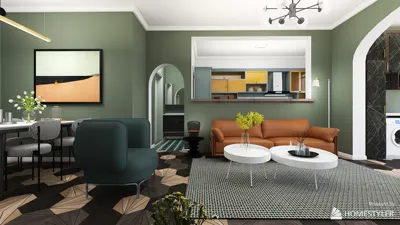


During a previous project, I paired a client's sleek subway tile with a rustic oak floor, but the transition turned out poorly, leading guests to believe the house was still under renovation. A candid discussion over coffee with the homeowner, along with a few sample prototypes, taught me that a successful transition is not just about concealment but about designing a harmonious connection between two different materials. Prior to selecting trim, I recommend creating a simple scale mockup of the room using tools like Homestyler, allowing you to visualize the meeting point effectively.
1. Slim metal or wood reducer strip
For tight budgets, my preferred choice is a slim reducer strip made of aluminum, brass, or a complementary wood tone. This option offers a clean visual separation while protecting the edges of both flooring types; however, care must be taken with metal finishes to avoid an industrial appearance that may clash.
save pin
2. Tapered tile edge that fades into the wood
In instances where the tiles are marginally higher, I sometimes opt to lay the final tile row with pieces that taper down to merge seamlessly with the wood floor, softening any height difference. While this demands more labor and requires a skilled tile cutter, the outcome is custom and cohesive — especially beneficial in open-plan kitchens where a sense of continuity is key.
save pin
3. Narrow wood inlay between tile and plank
Incorporating a narrow wooden strip, made from the same hardwood as the floor, between the tile and planks is one of my favorites for timeless, warm kitchens. This method accentuates the transition instead of hiding it, and utilizing a tool like Homestyler can help visualize the grain and width in 3D before making cuts. Although it may add some costs due to additional cutting and finishing, the result is a refined and deliberate appearance.
save pin
4. Continuous tile feature strip or mosaic
If the kitchen tile has a distinctive character, extending a narrow band of tile several inches into the wood area serves as a border or accent. This technique indicates that the tile is an intentional design element while minimizing minor flaws. Just be cautious about protecting the wood edge in wet areas; sealing it adequately and potentially adding a subtle threshold may be necessary.
save pin
5. Beveled or ramped transition with a small step-down
In cases where a height variation is unavoidable, I recommend implementing a gentle bevel or a slight step-down with a visible cap piece. This approach is not only honest and robust but also minimizes trip hazards. Depending on your layout, consider experimenting with different cap profiles to align aesthetically with your kitchen and evaluate appliance positioning to lessen the change.
A budget tip: subtle details such as coordinated screw heads, consistent grout color, and aligned wood grain can significantly enhance the visual impact without incurring large costs. I always create a 12" mockup to test these elements before making final decisions, especially in rental kitchens or historical properties.
save pin
Tips 1:
Consider the flow of traffic: ensure the most visible transitions are placed where guests will notice them rather than merely opting for convenience during installation. A brief mockup or rendering can prevent unnecessary returns and complications.
save pin
FAQ
Q1: What’s the easiest transition for DIY? A slim reducer strip or metal threshold is the simplest DIY solution, requiring minimal cutting while effectively concealing imperfections. It’s adaptable and readily available at reasonable prices.
Q2: How do I address height differences exceeding 1/4 inch? For variations over 1/4 inch, a beveled reducer or a ramp is advisable to eliminate tripping risks and to create a smooth visual transition. If the height differential surpasses 1/2 inch, you might need to consider re-underlaying or incorporating a sub-step for the transition.
Q3: Can the same wood flooring be used throughout to avoid transitions? Absolutely — extending the wood flooring into the kitchen eliminates the transition concern, but it is crucial to ensure that the wood or engineered products can withstand moisture and heat exposure in the kitchen environment. Regular interaction with appliances and water requires more durable coatings.
Q4: What sealant is best for the tile-to-wood edge? A flexible, paintable silicone or a polyurethane caulk designed for flooring transitions should be used to accommodate slight movements and prevent water infiltration. Ensure the color matches either the grout or the wood for a tidy finish.
Q5: Can a metal strip scratch wood floors? A correctly installed metal threshold shouldn't cause scratches—use rubber gasket backing or felt, and check that screws are not protruding. Consistent cleaning will also help keep the finish from being abraded over time.
Q6: Is professional help necessary for tapered tile edges? I advise hiring a professional for tapering: it requires precise cuts and substrate work to avoid fragile tile edges. Though it incurs a small additional cost, it helps prevent uneven results that can be challenging to rectify later.
Q7: Are there regulations regarding floor transitions? Indeed, there are building codes, such as those from the Americans with Disabilities Act (ADA), which specify acceptable level changes: no more than 1/4" without a bevel, while changes from 1/4" to 1/2" need to be beveled with a slope of no greater than 1:2, in accordance with the 2010 ADA Standards (see: https://www.ada.gov/2010ADAstandards_index.htm). Always verify local codes as well.
Q8: How can I preview my transition options before purchasing materials? I often create a small mockup or utilize a rendering tool to assess grain, grout, and strip styles. For quick comparison of various scenarios, testing samples under natural light can reveal their true effect, assisting in avoiding costly returns.
save pin
Discover the magic of home design with Homestyler! This user-friendly platform offers an intuitive online design tool, stunning 3D renderings, and a wealth of inspiring design projects. Plus, with DIY video tutorials, you’ll have everything you need to transform your space effortlessly.
Дизайн сейчас бесплатно
































