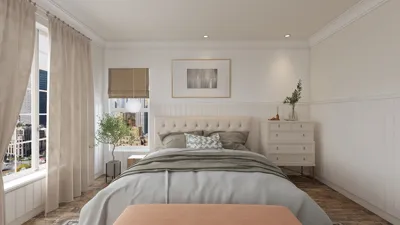


An interesting moment happened when I suggested a sage green rug to a client who was convinced her cat would only endorse a beige option — surprisingly, the cat chose the sage rug and rejected the beige entirely. This quirky victory highlighted an important lesson for me: choosing colors can lead to unexpected results, and taking small design risks can transform spaces into cozy, inviting environments. This is particularly true for small areas where mindful color palettes can significantly enhance the atmosphere; a carefully selected rug has the power to alter the entire vibe.
1. Textured Layers of Neutrals
I enjoy combining a sage green rug with a palette of layered neutrals: oatmeal linen sofas, a warm wooden coffee table, and cozy wool throws. This choice introduces subtle color into the mix while the textures keep the design dynamic. The benefit is a timeless warmth that envelops the room; however, a little care is required to ensure the green maintains its vibrancy without appearing too cool — sampling different shades in your space's lighting is advisable.
save pin
2. Minimalist Modernism with Black Touches
To achieve a modern or Scandinavian aesthetic, I recommend utilizing a low-pile sage rug paired with furniture featuring matte black legs and a sleek black metal coffee table. The sage green helps to soften the severity of black accents, creating a serene rather than harsh ambiance. This sophisticated look exudes elegance; however, you may need to be more selective with accessory shapes to prevent a cluttered appearance.
save pin
3. Bohemian Layering and Pattern Exploration
When clients desire a laid-back, lived-in atmosphere, I often layer a patterned flatweave rug over a solid sage rug, or vice versa, complemented by jute, rattan, and lush plants. The sage acts as a stable foundation for diverse prints and warm wooden elements. This approach is playful and forgiving, though care is needed to avoid overwhelming the space with patterns — maintaining one dominant print while repeating a few key colors is ideal.
4. Maximizing Small Spaces
In smaller living areas, I suggest using a medium-toned sage rug that fits under the front legs of seating furniture to create an illusion of a more spacious layout. Keeping a consistent color theme helps in making the area feel larger and more serene. The key is selecting the right size — too small will disrupt the layout, while too large may overpower a compact space.
5. Elegant Formality with Soft Contrasts
For formal or traditional settings, I prefer a muted sage rug featuring a delicate border or tonal design, paired with cream upholstery and brass accents. This rug both maintains a sense of sophistication and approachability within the room. Maintenance is an important aspect to consider—lighter greens tend to show wear more easily, so opting for a sturdier weave might be necessary.
Tips to Consider:
Are you looking to visualize your layout options? Utilizing a room planner, such as Homestyler, can help you experiment with different rug sizes and placements before making a purchase. Seeing the scale in a digital format allows you to avoid returns and dissatisfaction.
save pin
save pin
save pin
save pin
FAQ
Q: Which wall colors complement a sage green rug well?
A: Warm whites, soft greys, or muted terracotta shades coordinate beautifully. Testing paint samples against the rug in natural light is strongly recommended to ensure the right undertones harmonize.
Q: Can sage green be used in both modern and traditional designs?
A: Definitely! Its understated quality makes it adaptable — choosing suitable textures and accessories can help steer the aesthetic in either direction.
Q: What is the best way to select rug sizes for my living room?
A: Look for a rug that extends under the front legs of sofas and chairs to visually unify the seating area; measuring the size of your furniture footprint beforehand is crucial.
Q: What materials are ideal for high-traffic areas?
A: Durable synthetic blends and low-pile wool tend to be much more resilient and easier to clean than more delicate materials.
Q: Is it possible to layer a patterned rug over a solid sage rug?
A: Yes — layering a flatweave patterned rug over a solid foundation can enhance depth. Ensure the colors are in harmony and avoid excessive competing patterns.
Q: What's the best method for dealing with stains on a sage rug?
A: Act quickly by blotting the area with a clean cloth and mild detergent; if the stain persists, consult care instructions or hire a professional cleaner. Always refer to manufacturer guidance for specific care based on the fabric type.
Q: How can I visualize rug placement in my room?
A: I recommend using a room planner like Homestyler to experiment with different scales and colors in situ, ensuring a perfect fit.
Q: Are there established care guidelines for rugs?
A: Certainly. The American Cleaning Institute offers resources on fabric care and stain removal strategies, which I frequently reference for safe maintenance practices.
Homestyler is your go-to online home design platform! With its user-friendly design tool, stunning 3D renderings, and a wealth of inspiring design projects and video tutorials, you can effortlessly create and visualize your dream space—no experience needed!
Zaprojektuj teraz za darmo
































