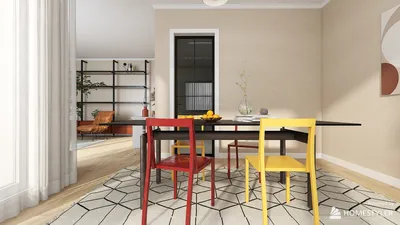


I once worked with a client who wanted to immediately repaint her entire kitchen from the 1920s. However, we discovered flaking lead paint beneath the primer. While it was a moment of laughter, it quickly turned into a scramble as lead paint definitely does not respond well to shortcuts, and small kitchens complicate the remediation process. If your home is older, considering various kitchen layout ideas can assist in planning renovations that enhance functionality while minimizing hazardous dust.
1. Begin with testing instead of just assuming
My initial step in any renovation project for older homes is testing surfaces prior to any design decisions. DIY kits can provide quick insights, but having a certified inspector or validated lab can identify the concentration levels and the surfaces at highest risk — this influences whether we decide to paint over, encapsulate, or fully replace.
Investing in testing is far less expensive compared to a botched renovation; while it might involve waiting and handling paperwork, this clarity can ultimately save both time and resources down the road.
save pin
2. Encapsulation can be a designer’s ally
When possible, encapsulation — sealing the old paint with specialized coatings or new surfaces — is a much less disruptive and safer choice than complete removal. I've found success using thin cabinetry overlays, beadboard panels, and robust primers that lock the old paint in place, achieving the desired look without sending dust into the air.
Although it's not infallible, as damaged or friable surfaces require professional intervention, for many smaller spaces, it presents a practical and cost-effective option that keeps renovations on track.
save pin
3. Steer clear of risky demolition — strategize for containment
One of the most challenging lessons I learned was observing a DIY remodel that released dust throughout an entire row house. I now plan with containment as a priority: utilizing temporary barriers, negative air machines, and selecting finishes that allow for staged work. This approach alleviates much logistical stress and safeguards residents and neighbors alike.
While containment does increase costs and demands coordination with certified abatement crews for high-risk tasks, it ensures that the remainder of your home remains livable during renovations.
save pin
4. Optimal solutions for small rooms: kitchens and bathrooms
In compact kitchens and baths, I prefer targeted upgrades—replacing countertops, refinishing cabinets, or updating splash areas—to minimize disturbance. If moisture-sensitive areas are being altered, refreshing with bathroom-appropriate updates is a smart option: installing new waterproof panels over existing walls often proves more effective than full strip-outs.
The trade-off here is less creative freedom from scratch, but it yields improved efficiency, safety, and typically a lower bill from specialists who aren’t required to conduct full abatement.
save pin
5. Visualize modifications before making any physical changes
I always create 3D mock-ups or use sample boards to ensure clients clearly understand what elements we will seal or replace—this practice reduces unexpected scope changes that might necessitate unsafe removals later. Using tools like Homestyler to visualize room modifications allows you to explore color, trim height, and cabinetry options while keeping hazardous surfaces untouched until they have been managed by professionals.
While this step adds some planning time and additional design costs, it helps prevent the biggest blunder: commencing construction before confirming safety measures are in place.
save pin
FAQ
Q: How can I determine if my house has lead paint?
DIY kits can alert you to the presence of lead, but engaging a certified lead inspector or conducting a laboratory test will provide accurate results and pinpoint locations. If your house was constructed prior to 1978, you should assume there may be lead and test accordingly.
Q: Am I allowed to remove lead paint on my own?
Usually not—sanding, torching, or scraping can generate hazardous dust. For safe removal, it’s best to hire professionals certified by the EPA or state agencies to ensure proper containment and disposal.
Q: What does encapsulation involve, and when should it be utilized?
Encapsulation involves sealing existing lead paint with specific coatings or surfaces to prevent dust from becoming airborne. It’s most suitable when the existing paint remains intact; damaged or peeling paint often requires professional abatement services.
Q: Is it safe to live in a house that contains lead paint?
It can be safe, provided that the lead paint remains undisturbed and is regularly inspected. Essential measures include testing, stabilizing any peeling areas, and refraining from DIY renovations that might expose lead dust.
Q: What are the costs associated with professional lead abatement?
Costs can significantly differ based on the scope of the project, ranging from a few hundred dollars for minor stabilization to thousands for full-room abatement. It is advisable to acquire multiple quotes and check contractor certifications.
Q: Are certified contractors necessary?
Yes — for any abatement activities, you must hire contractors certified by your state or the EPA to manage lead safely and legally.
Q: Can painting over lead paint fully resolve the issue?
Repainting over intact lead paint with an appropriate primer or encapsulation system can be secure, but only after thorough testing and surface stabilization. Never paint over flaking or chalking lead paint without professional preparation.
Q: Where can I find official resources on lead safety in housing?
The U.S. Environmental Protection Agency offers extensive resources on lead safety and abatement measures: https://www.epa.gov/lead. I often recommend that clients consult this resource for the most current regulations and lists of certified contractors.
save pin
If you're looking to transform your home with ease, try Homestyler! This user-friendly platform offers a fantastic online design tool, stunning 3D renderings, and a wealth of design projects and DIY video tutorials. Bring your vision to life effortlessly!
立即免费设计
































