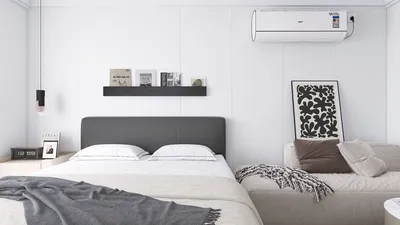


Once, I made the unconventional choice to wallpaper a compact bedroom with barn-patterned paper, guided by a client’s request for a combination of rustic and modern aesthetics — the outcome was certainly unforgettable. This experience taught me that embracing rustic design hinges more on texture and intention than strictly adhering to farmhouse themes. Nowadays, I frequently utilize AI-driven moodboarding tools like Homestyler to experiment with color combinations swiftly before finalizing decisions. Small spaces present intriguing challenges; their limited dimensions inspire creativity and often lead to delightful surprises.
1. Reclaimed Wood Accent Walls
I absolutely adore incorporating reclaimed wood into my designs as it instantly adds warmth and a sense of history. Creating a feature wall with assorted board widths transforms a plain headboard into a stunning focal point. This approach is budget-friendly since you can either acquire genuine barn wood or create a similar effect with peel-and-stick planks. However, it's essential to be cautious of splinters and to ensure they are properly sealed to guard against pests and moisture.
2. Layered Textiles for Inviting Depth
The addition of throw rugs, linen duvets, knitted throws, and an array of vintage cushions lends a lived-in, inviting warmth to a rustic bedroom. Textiles are excellent for concealing imperfections and can be easily changed with the seasons, although they will require more frequent cleaning and occasional replacements if pets share the bed.
3. Vintage Treasures and Upcycled Furniture
Spending weekends hunting for unique finds in thrift shops is one of my favorite pastimes. An old dresser, when painted with chalk paint, can become a striking focal piece that is both environmentally friendly and one-of-a-kind. To visualize the final look before diving into refinishing, why not use Homestyler to create a photorealistic mockup? Just keep in mind that truly distinctive vintage items may need repairs.
4. Natural Hues and Greenery
Opting for a color palette filled with warm neutrals such as cream, ochre, and olive, complemented by hints of natural greenery like dried grasses and eucalyptus, imparts an effortlessly rustic vibe. Not only do plants bring in life and texture, but it’s wise to consider your space's humidity and light. For darker rooms, low-maintenance alternatives like preserved stems may be necessary.
5. Simple Lighting and Iron Accents
Consider soft filament bulbs, wrought-iron sconces, or a pendant light made from reclaimed wood beams to achieve that genuine traditional ambiance. Effective layered lighting can enhance the perception of space in a small bedroom while creating a cozy atmosphere. If your bedroom is adjacent to an open kitchen or needs planning for shared plumbing, coordinate designs to ensure a seamless layout. Balancing warmth with adequate task lighting for reading remains a crucial consideration.
FAQ
Q1: What characterizes rustic bedroom decor? Rustic design highlights natural materials, straightforward shapes, and a sense of lived-in comfort—think wood, linen, iron, and muted earthy tones. It's more focused on texture and warmth rather than coordinated thematic elements.
Q2: How can I achieve a rustic ambiance within a limited budget? Begin with textiles and paint: a cozy neutral wall, thrifted pillows, and a DIY headboard can make a significant impact. Upcycling furniture and shopping at local thrift markets can help keep expenses low while adding character.
Q3: Is using reclaimed wood walls advisable in humid regions? Reclaimed wood can be suitable if it’s properly treated and installed with moisture barriers; it's best to consult a professional regarding sealing methods and ventilation to deter mold and warping.
Q4: Which color schemes are best for a rustic-themed bedroom? Warm neutrals, soft greens, muted blues, and ochres create a snug rustic palette. Using one accent color sparingly can maintain a calm and unified space.
Q5: Can modern furniture coexist with rustic decor? Absolutely—combining sleek modern pieces with rustic textures results in an intriguing, balanced aesthetic. The secret lies in ensuring materials or colors are repeated to create a cohesive feel rather than a mismatched look.
Q6: How should I care for natural textiles in rustic decor? Linens and wools usually require gentle washing or professional cleaning; always verify care labels and consider using protective throws in high-traffic areas for longevity.
Q7: Are there eco-friendly rustic decor alternatives? Certainly—look for reclaimed materials, FSC-certified lumber, natural fiber textiles, and vintage items. These choices not only reduce waste but also infuse authentic character into your space.
Q8: Where can I find trustworthy rustic bedroom styling advice? For practical suggestions and visual inspiration, I often direct clients to reliable design resources like Better Homes & Gardens, which offers well-researched guides and photo examples (source: https://www.bhg.com/rooms/bedroom/decorating/rustic-bedroom-ideas/).
Built on technology originally developed at Autodesk, Homestyler empowers anyone to design beautiful, realistic spaces in minutes. Join over 18 million users who have already discovered a smarter way to plan, visualize, and bring their dream homes to life — all from the comfort of a browser.
Discover the ease of home design with Homestyler! This user-friendly platform offers a powerful online design tool, stunning 3D renderings, and a wealth of inspiring design projects. Plus, with its DIY video tutorials, you’ll have everything you need to transform your space effortlessly. Start creating today!
Design Now for FREE
































