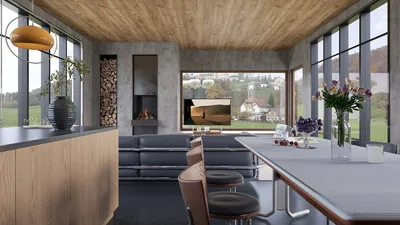


For over a decade, I have been meticulously designing homes where every single inch counts. The right dimensions do more than add convenience; they significantly influence comfort, movement, the extent of daylight that enters, and how well furniture fits. In my residential projects, I prioritize function-driven proportions, ensuring that each room's size is justified by the activities it needs to facilitate and the ergonomics essential for those activities. Utilizing tools like Homestyler can simplify this process.
To illustrate with some concrete metrics: the WELL v2 guidelines suggest a minimum illuminance of 300 lux at work surfaces in both homes and offices, which directly informs decisions about window sizes and the depth of rooms to ensure sufficient daylight (source: WELL v2). Additionally, research by Herman Miller outlines ideal desk depths ranging from 24 to 30 inches and recommends at least 36 inches of clearance behind seating to allow for movement. These standards are fundamental in creating spaces that are not just visually appealing but also very functional.
Key Guidelines for Standard Room Dimensions
Before delving into specific measurements, I first determine room dimensions based on their intended purpose, the movement they must allow, and the natural light they should capture. I focus on behavioral patterns, followed by the footprint of furniture, and then consider circulation. For comfortable movement, I advocate for pathways of 36 inches and ensure that door swings do not interfere with furniture placement. When it comes to lighting, if the depth of a room exceeds 2.5 times the height of the window head, it often necessitates additional lighting to maintain adequate lux levels. From an acoustical perspective, I suggest creating breaks in long parallel walls or incorporating soft finishes to mitigate flutter echo in narrower spaces. Additionally, the choice of materials and colors can greatly influence perceived size; lighter shades and controlled reflectivity can visually enlarge smaller spaces without making them feel sterile—something easily visualized using Homestyler.
Dimensions for Living Rooms
Typical living room sizes range from 12'×16' to 15'×20'. For a cozy lounge, a measurement of 11'×13' can accommodate a sofa (84"), two armchairs, a 48" coffee table, and a 36" pathway. If you’re contemplating a media wall, keep a viewing distance of 8'–10' for a 65" TV. Aiming for a minimum of 30" between the coffee table and seating is crucial, with 36" preferred for clear passage. In open concepts, I find that a ratio of 1:1.4 (such as 12'×17') helps to avoid a narrow corridor feel while still maintaining clear furniture groupings.
Dining Room Specifications
For a rectangular dining room, dimensions of 10'×12' accommodate a table for six comfortably. It's important to leave at least 36" behind chairs for easy movement; increase this to 42"–48" if it's a primary traffic route. A round table of 48" fits well in a 10'×10' area, while an 8-person rectangular table measuring 42"×84" is better suited for a space of 12'×14' or larger. Regarding illumination, ensure that overhead pendants are positioned 30"–36" above the table and align with its footprint for visual harmony.
Kitchen Layout
An effective single-wall kitchen measures between 8'–12' in length; for a galley layout, a walkway of 3'6"–4' is ideal for two-person comfort. L-shaped kitchens generally fall within the range of 10'×10' to 12'×14'. Island installations require a minimum clearance of 36" on all working sides, with 42"–48" preferred for family kitchens that see frequent use. The standard depth for countertops is 25"; it's wise to plan for 30" landing zones near cooking areas and refrigerators. If natural light is limited, using under-cabinet lighting can help you achieve lux levels of 300–500 on work surfaces, alleviating eye strain during preparation.
Primary Bedroom Sizes
To ensure comfort, a primary bedroom should begin at 12'×14' for a queen bed, or 13'×15' for a king. It's essential to allow for 24"–30" on each side of the bed, with 36" recommended where drawers open. If you plan to incorporate a seating area or desk, consider increasing the shorter side by 2'–3'. Closet walls are also a factor—reach-in closets typically require about 2' of depth, while walk-in versions start from 5'×7' and increase from there. For sound comfort, elements like upholstered headboards and soft area rugs can significantly help in controlling sound reflections during nighttime.
Guest Room Sizes
Secondary bedrooms usually measure from 10'×10' to 11'×12'. A twin bed with a desk fits into a 10'×10' layout; a full bed is more spaciously accommodated in either an 11'×12' or 10'×11' configuration. It’s vital to maintain clear pathways of 30"–36", especially at doorways and around the bed. In children’s shared rooms, opting for bunk beds or lofts can help in preserving floor space for play.
Home Office Dimensions
A dedicated office for one person typically functions within a space of 8'×10'. For dual setups or more substantial equipment, dimensions of 10'×12' provide ample room. Ergonomics play a vital role; ensuring desk depths of 24"–30", a distance of 20"–30" for monitor viewing, and 36" clearance behind seating is essential. When positioned near a window, appropriate glare control with adjustable shades and 4000K task lighting can enhance visual comfort. For spaces requiring frequent calls, consider adding movable fabric wall panels or bookshelves to minimize RT60 in smaller areas.
Bathroom Sizes
Powder rooms should measure between 3'×6' to 4'×8'. Full bathrooms generally start at approximately 5'×8', accommodating a combination tub/shower unit. For a double vanity, aim for a width of 6'–7'; if including both a separate tub and shower, dimensions increase toward 8'×10'. Ensure at least a minimum of 24" clear at the front of fixtures and allow 30"–36" where doors swing open. Proper ventilation and high-CRI 3000K–3500K lighting are critical for grooming efficacy and comfort.
Hallways and Circulation Areas
Comfortable corridors should ideally measure 42" wide; a working width of 36" is practical for smaller homes. Entryway dimensions differ widely, but a size of 6'×8' allows for a bench and console to coexist without obstructing door swings. When stairs emerge into a corridor, widening to 48" is advisable when feasible. Always aim for clear sightlines, as visual depth at entry points enhances the overall spaciousness of a home.
Closets and Storage Spaces
Reach-in closets generally require a depth of 24"; a stretch of 5' accommodates two 24" sections along with some additional space. Walk-ins start at a minimum of 5'×7' for a single-wall hanging layout and reach 6'×8' or more for two-sided setups with a 36" aisle. For laundry rooms, aim for a minimum of 5'×7' to comfortably fit side-by-side appliances and a work surface; allocate 30"–36" in front of the machines for door swings and loading tasks.
Open-Plan Layout Ratios and Zoning
In open-concept living-dining-kitchen areas, I recommend zoning plans through proportional divisions that support furniture groupings. A large room measuring 15'×25' can effectively accommodate a lounge area of 12'×16' along with a dining zone of 9'×12' while maintaining 36" walkways in between. Utilizing area rugs to delineate use, pendants to define table spaces, and low-back seating can maintain clear sightlines. If you're experimenting with layouts, using a room layout tool like Homestyler can prove invaluable for evaluating circulation and furniture placements.
Ceiling Heights and Visual Proportions
The height of a ceiling dramatically influences how a room feels. With an 8' ceiling, it's best to keep larger furnishings low and decorate with vertical artwork to draw the eye upward. At heights of 9'–10', widen your furniture arrangements without creating a crowded sensation. Rooms with high ceilings can greatly benefit from layered lighting—ambient, task, and accent lighting ensures even illumination and helps to avoid cavernous effects.
Color, Materials, and Their Impact on Perceived Space
Using lighter colors for walls can expand the perceived volume of a space, while deeper hues help to anchor seating arrangements. Semi-matte finishes can manage glare effectively; higher light reflectance values in flooring can brighten smaller rooms. Sustainable materials—including FSC-certified wood and low-VOC finishes—add a touch of warmth without cluttering the visuals. Soft textures also contribute to acoustic comfort in minimalist environments.
Acoustic Considerations for Different Room Sizes
In smaller rooms, hard surfaces can exacerbate sound issues; incorporating curtains, area rugs, bookshelves, or fabric panels can help to manage these reflections. In larger areas, consider breaking up expansive surfaces with detailed millwork and upholstered furnishings while avoiding reflective surfaces directly opposite to one another. Such subtle modifications help to maintain intimacy in communal areas and clarity in workspaces.
Quick Reference: Common Sizes for Residential Areas
- Living Room: Ranges from 12'×16' to 15'×20' (compact lounge at approximately 11'×13')
- Dining Room: 10'×12' (6-seat), 12'×14' (8-seat)
- Kitchen: 10'×10' to 12'×14' (with galley clearances of 3'6"–4')
- Primary Bedroom: 12'×14' (queen), 13'×15' (king)
- Secondary Bedroom: 10'×10' to 11'×12'
- Home Office: 8'×10' (single), 10'×12' (dual)
- Full Bath: Approximately 5'×8'; Powder: 3'×6' to 4'×8'
- Hallway: 36"–42"; Foyer ~6'×8'
- Laundry: Approximately 5'×7'
- Walk-in Closet: From 5'×7' (single wall) to 6'×8' (two-sided)
Lighting Guidelines and Glare Management
It's crucial to plan for task lighting over work areas (300–500 lux), ambient lighting in living areas (150–300 lux), and dimmable options for flexible mood settings. For living areas, use lighting between 2700K and 3000K for warmth, while kitchens and offices benefit from temperatures of 3500K to 4000K for heightened alertness. Managing glare through layered lighting and shades, especially near screens, is essential.
Essential Ergonomics and Clearances
- Primary pathways: 30"–36"
- Minimum of 24" beside beds (36" preferred)
- Clearance of 36" around dining tables (42"–48" if major traffic area)
- 36" space behind desk chairs
- 36" surrounding kitchen islands (42"–48" preferred)
- 24" closet depth (36" aisle in walk-ins)
Adjusting Sizes for Compact Living Spaces
When dealing with limited square footage, I streamline room sizes by reducing furniture depth, opting for sliding doors, and organizing pathways in alignment with window walls to maximize daylight intake. Asymmetrical arrangements, which prioritize one generous pathway over multiple tight ones, are my preferred strategy. In multifunctional spaces, incorporating fold-down desks, storage banquettes, and built-in features can help manage clutter and preserve movement areas.
Frequently Asked Questions
Q1: What is the smallest comfortable size for a living room?
A1: A space of 11'×13' works well for a sofa, two chairs, and a coffee table, ensuring there is enough circulation space between and around furniture.
Q2: How much room is required behind dining chairs?
A2: A clearance of 36" all around is ideal for comfortable dining, but if the area also serves as a main traffic path, it should be increased to 42"–48".
Q3: What is an appropriate room size for a king bed?
A3: Starting at 13'×15' allows for adequate space, providing at least 30" along the sides for accessibility and room for additional furnishings.
Q4: What width should hallways be?
A4: A minimum width of 36" is practical for small homes, with 42" offering a more spacious feel that accommodates two people passing by comfortably.
Q5: What clearance is necessary around a kitchen island?
A5: At least 36" on working sides is essential with 42"–48" preferred in areas where multiple cooks are preparing together.
Q6: How should I size a home office for two workstations?
A6: A well-planned area of 10'×12' allows each person to have a desk with 24"–30" depth, 36" clearance behind chairs, and adequate storage without obstructing pathways.
Q7: What lighting levels should be targeted at home?
A7: Aim for 300–500 lux for task areas and 150–300 lux for general living spaces. Employ dimmers and glare management, especially near windows and screens. Referencing WELL v2 lighting guidelines can be extremely beneficial.
Q8: How do color and materials influence perceived room size?
A8: Utilizing lighter colors for walls and moderate reflectance increases brightness, creating an illusion of spaciousness. Soft materials such as rugs and draperies also enhance acoustic quality, leading to a more open feel.
Q9: What is the minimum size for a functional full bathroom?
A9: A standard layout of 5'×8' fitting a combination tub/shower, toilet, and single vanity adheres to code requirements and provides necessary clearances.
Q10: Can an 8'×10' room function as a nursery or office?
A10: Absolutely. A well-planned nursery can accommodate a crib, chair, and dresser, while an office can fit a 30" deep desk against a wall and storage opposite, maintaining a clear pathway.
Q11: How can I develop an open-plan great room layout?
A11: Create distinct proportional zones (e.g., a 12'×16' lounge and a 9'×12' dining area within a 15'×25' structure) while ensuring 36" pathways. Utilizing a room design tool like Homestyler ensures effective testing of furniture arrangements before finalizing decisions.
Q12: What is the ideal ceiling height for smaller rooms?
A12: While height adjustments aren't always possible, for 8' ceilings, opt for low-profile furnishings and vertical art. At 9'–10', expanding layouts and layering lighting is key to preventing a gloomy atmosphere.
Q13: How can I minimize noise in compact areas?
A13: Introduce soft elements such as rugs, curtains, and upholstered furniture, and consider placing acoustic panels or filled bookshelves at first reflection points to mitigate echo.
Q14: What are some reliable resources for ergonomic clearances?
A14: Herman Miller's research provides valuable insights on furniture size and clearance, while the WELL v2 guidelines are an excellent reference for lighting standards that enhance overall room planning.
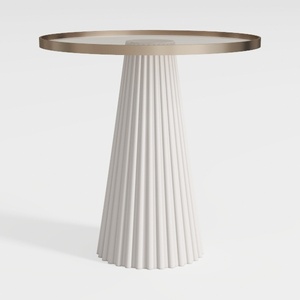
43" Wooden Round Dining Table, Mid-modern Circular
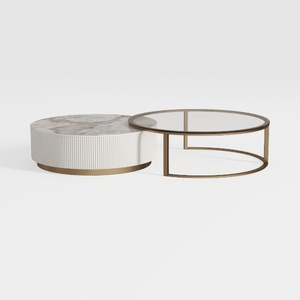

coffee table
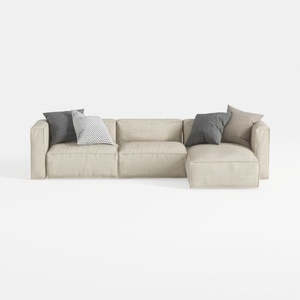
112" Modular Sectional Sofa L-Shaped Couch for
Looking to transform your home design ideas into reality? Homestyler has you covered! This user-friendly online platform features an amazing design tool, stunning 3D renderings, a variety of inspiring design projects, and informative DIY video tutorials. Start creating your dream space today!
Дизайн сейчас бесплатно
































