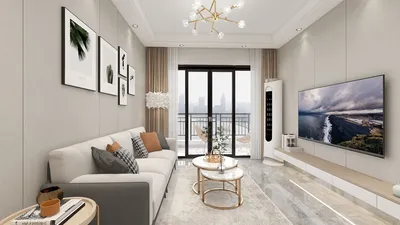


When I design compact homes and multi-functional workspaces, I often use small tables with wheels due to their ability to address mobility, versatile surfaces, and efficient storage simultaneously. In constrained layouts, a rolling table can serve breakfast by the window, move alongside the sofa for laptop tasks, and then be tucked away under a console to maintain free movement. According to the WELL Building Standard, adaptable furniture enhances activity-based work settings and decreases extended periods of inactivity, which significantly contributes to occupants' health. In my latest studio projects, these mobile tables were instrumental in establishing flexible micro-zones without obstructing pathways or blocking natural light.
The measured advantages are impressive. Research from Steelcase indicated that 41% of employees prefer flexible spaces to accommodate varied postures and tasks; rolling tables are a strategic solution for this need. Following IES standards, I recommend maintaining ambient lighting levels of 150–300 lux in living areas and 300–500 lux for work surfaces; a wheeled design allows you to adjust the position to capture daylight or utilize localized lighting as needed. For comprehensive insights on creating adaptable spaces, consult resources provided by Steelcase Research.
Why Small Tables with Wheels are Critical
While mobility is the primary feature, factors such as size, clearance, and weight distribution are essential for daily functionality. I ensure at least a 900 mm (approximately 36 inches) clearance around tables in living areas, enabling them to move freely without hitting walls or bumping knees. When used as a laptop desk, a height of 650–720 mm ensures wrist alignment in accordance with ergonomic standards to prevent strain. Having locking casters on at least two legs is crucial for stabilizing the surface during typing, dining, or creative activities.
Space Planning and Design Strategies
In compact apartments or studios, I consider three uses for any rolling table: parked, active, and stored. Parked: positioned under a console or beside a sofa arm to keep walkways clear. Active: moved into the main area for snacks, games, or as a collaborative surface. Stored: tucked under a higher table or in a corner with 600 mm clearance to ensure easy access. If you’re experimenting with layouts, a simple room design tool can aid in visualizing circulation paths and movement before making a purchase.
Sizing, Proportions, and Stability
For living areas, a footprint ranging from 400–600 mm square or 450–700 mm in diameter is manageable and provides enough space for dining and a smaller laptop. It’s important to keep the center of gravity low: opt for heavier frames or add a small under-shelf to balance a glass or stone top. Rounded or beveled corners mitigate injuries in tight settings, and a beveled edge enhances grip when maneuvering the table.
Material Choices and Environmental Considerations
I prefer using powder-coated steel frames for sturdiness, paired with tops made from FSC-certified plywood, compact laminate, or recycled composites. Durable finishes (with a minimum of 50,000 double rubs for surface resilience) increase the table's longevity. If sound absorption is crucial—such as in a media room—consider linoleum or cork veneer to reduce noise from objects. For rolling components, selecting soft thermoplastic rubber casters protects hard flooring and minimizes sound. When specifying materials, prioritize low-VOC finishes to comply with WELL v2's Air and Materials principles.
The Impact of Color and Visual Harmony
The color selection should reflect the function of the table. For a discreet utility piece, matching the table color to the floor or sofa can create a sense of calm. For more vibrant accents, I choose warm shades; an overview by Verywell Mind indicates that warm colors can invigorate a room, while cooler hues promote tranquility. In confined spaces, a muted mid-tone helps to focus attention on artwork or windows, preserving visual structure.
Lighting, Glare Management, and Task Efficiency
A rolling table serves as a versatile task surface, so it should be complemented with adjustable lighting. Target 300–500 lux on the tabletop for reading or laptop usage and position lamps to avoid direct glare to seated individuals. Utilizing matte finishes on the surface can minimize reflections, and a slightly textured top enhances mouse tracking. If positioned near a window, a translucent shade can help mitigate stark daylight contrasts when working on a screen.
Ergonomics and User Comfort
For dining, a tabletop height of 700–750 mm combined with seat heights of 430–460 mm provides ample clearance for knees and keeps shoulders relaxed. When used beside a sofa, ensure the table height is 50–100 mm higher than the seat cushion to maintain a comfortable wrist position while typing. The design of the handle matters: an integrated rail or spacious apron edge enables one-handed steering without twisting the body. I also choose casters rated for at least 40–60 kg to prevent sliding or wobbling under the weight of devices and tableware.
Prioritizing Casters, Brakes, and Floor Protection
The choice of casters greatly influences user experience. Opt for 50–75 mm diameter wheels for seamless rolling over carpets; larger wheels are better for navigating door thresholds. Dual-wheel casters distribute weight evenly and safeguard delicate flooring. At a minimum, lock two casters diagonally to prevent shifting; four locking casters are optimal for heavier tops. On plush rugs, a narrow wheel design can help the table glide smoothly over fibers.
Designs with Integrated Storage
Many clients living in small spaces benefit from under-shelf storage to keep remotes, chargers, and napkins organized. To maintain adequate leg clearance and visual airiness, keep storage below 120 mm high. A side hook rail can hold essentials like headphones or tote bags, transforming the table into a versatile utility hub. If the table is regularly positioned beside a lounge chair, a discreet book ledge can provide easy access to current reads without cluttering the surface.
Versatile Uses: Home Office, Studio, and Hybrid Environments
One table can serve various functions: as a laptop desk in the morning, a snack station at noon, and a craft workspace in the evening. In hybrid setups, rolling tables can extend kitchen islands and then easily transition to the living area for video calls, framed by softer backgrounds. I frequently pair a small wheeled table with a folding chair to create a temporary workstation that can be dismantled in under a minute.
Acoustic Considerations in Tight Spaces
Compact areas often amplify sound. A rigid table on hard surfaces can carry vibrations. Using rubber casters, felt pads under items, and a soft mat beneath the table can help absorb the sounds of cups and keyboards. Open metal structures can create ringing noise; integrating a denser wood core or cork lining can help muffle sound.
Maintenance, Care, and Durability
To ensure longevity, keep casters free of hair and debris that could hinder mobility. Clean brakes and stems quarterly to avoid noise. For surfaces, steer clear of abrasive cleaners; instead, use pH-neutral products on laminate or sealed wood. If the table is in sunlight, opt for UV-resistant finishes to prevent fading and degradation from plasticizers over time.
Essential Buying Checklist
- Dimensions that allow for proper circulation (aim for 900 mm pass-through)
- Locking casters (minimum of two)
- Stable frame with a low center of gravity
- Top height suitable for intended use (e.g., by the sofa or for dining)
- Durable finishes and low-VOC options
- Safe edges (rounded or chamfered corners)
- Storage considerations (under-shelf, hooks) without bulkiness
- Floor protection (soft casters for hardwood flooring)
Frequently Asked Questions
Maintain a footprint of 450–600 mm in any direction. This sizing achieves the right balance between easy movement and sufficient surface area for dining or laptop work.
Utilize locking casters on at least two wheels and ensure the table is parked with one locked wheel on a rug or wall base. Heavier frames further reduce the chance of drift.
Aim for tabletop heights of 650–700 mm to keep forearms parallel to the surface with neutral wrist positions. Consider adding a cushion that maintains support without sinking too much.
Tempered glass is acceptable but may require more weight and could show fingerprints; opt for a textured or back-painted finish for improved safety and usability, alongside strong brakes.
Choosing soft thermoplastic rubber casters or polyurethane wheels minimizes the risk of scratching floors and reduces noise; steer clear of hard nylon wheels when on bare wood surfaces.
For reading or laptop usage, target illumination levels of 300–500 lux at the surface, using adjustable task lamps and matte finishes to mitigate glare per IES recommendations.
Indeed, select a stable base and a top measuring around 600–700 mm wide. Lock the wheels, and opt for chairs with seat heights around 430–460 mm for comfort.
Powder-coated steel frames paired with compact laminate or sealed wood tops are resistant to dents and stains. Low-VOC finishes contribute to a healthier indoor environment in line with WELL v2 standards.
Include an under-shelf cable tray, adhesive cord clips, and a short braided cable set to manage cords. A side hook can be useful for hanging headphones or a small power bank.
Rounded or oval tops soften edges and reduce the risk of bumps. In tighter quarters, a 600–650 mm round top typically enhances maneuverability.
Employ an interior layout planner to visualize movement patterns and traffic flows, ensuring approximately 900 mm circulation space is maintained when feasible.
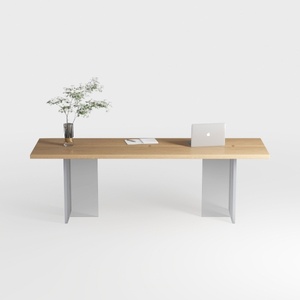
Tribesigns 70.86-Inch Executive Desk, Large Comput
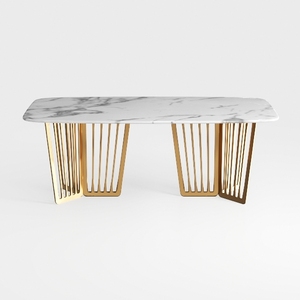

TAPIVA Desk Computer Desks Office Desk Marble Tabl
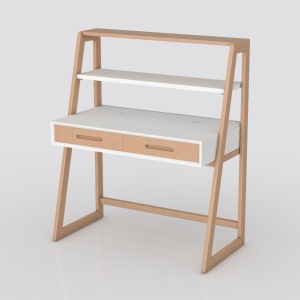
Penau Home Office Desk, Space Saving Computer Desk
Homestyler is the ultimate online home design platform for anyone looking to revamp their space. With its user-friendly design tool, stunning 3D renderings, and a wealth of DIY video tutorials, you’ll find everything you need to create the home of your dreams with ease!
Design Now for FREE
































