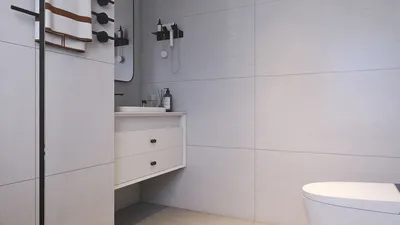


The evolution of cooking emphasizes the need for streamlined processes as today's homes grapple with clutter, traffic, and incompatible appliances. This underlying interface challenge is becoming increasingly apparent. Research conducted by Houzz indicates that homeowners are prioritizing functional storage solutions over mere square footage, which aligns perfectly with the innovative 8×12 Indian kitchen designs that are ready to address these needs. The future is approaching, and I can feel the next five years reshaping our current spaces with tools like Homestyler to visualize these transformations.
Parallel Galley | Efficient Cooking Flow
Design Principle: Two parallel sections efficiently combine heat, preparation, and washing in a systematic order—ideal for frequent tadka and multi-pot meals. This forward-thinking layout promotes fewer movements and greater productivity.
Workflow: Entry → sink → preparation → cooking → plating, accompanied by a seamless lane for pantry access; forming a tight circuit with minimal delays.
Sightlines: Long views extending to the balcony or dining area; vertical displays for spices act as visual cues, keeping key tasks easily visible.
Storage: A full-height pantry wall serves as a storage cache, pull-out options for dal, and deep drawers for heavy pots; labeled bins help minimize errors while retrieving items.
Furniture Dimensions: 24-inch counter height, 21-24 inch aisles on each side, with a 36-inch overall clearance; a compact breakfast ledge accommodates two stools without obstructing the flow.
Conclusion: For daily batch cooking, this layout offers stability for heat control and is primed for future appliance enhancements with exceptional efficiency.
save pin
L-Shaped | Intelligent Cooking Corner
Design Principle: The L-shape creates an enclosed cooking area with a preparation zone—ideal for directing pressure cooker steam and griddle tasks.
Workflow: Refrigerator at the short leg → sink → prep area → cooking zone on the long side; a logical sequence that reduces cross-interruptions.
Sightlines: Diagonal views towards the dining area ensure responsive serving; a corner niche for spice storage enhances visual clarity.
Storage: A Lazy Susan fits into the corner for easy access, overhead cabinets with bifold doors, and segregated bins beneath the sink for waste management.
Furniture Dimensions: 25-inch counter depth, a 48-inch working arc at the corner, and a 30-inch cooking zone featuring a 600 CFM exhaust hood; includes a dedicated shelf for easy tiffin access.
Conclusion: This configuration accommodates family dynamics—more cooks and meals—while maintaining a balance that feels like well-structured programming.
save pin
U-Shaped | High Efficiency Workspace
Design Principle: The U-shape maximizes accessible surface area, much like upgrading system RAM, facilitating concurrent tasks like boiling tea, stirring vegetables, and rolling chapatis.
Workflow: Refrigerator → sink → central cooking bay; a closed loop prevents unnecessary movement, streamlining each dish's preparation.
Sightlines: Central focus on cooking, with peripheral visibility towards the entry and balcony; under-cabinet LED strips provide layered feedback for use.
Storage: Triple-layer drawers for grains, spices, and utensils; overhead spaces act as archives, while daily essentials are easily accessible.
Furniture Dimensions: 42-inch internal clearance, 18-inch depth for upper cabinets, and a 32-inch counter height optimized for comfort; pull-out trays enhance usability.
Conclusion: If your kitchen operates like a production line, the U shape grants control and future scalability without requiring additional space.
save pin
One-Wall + Mobile Island | Flexible Cooking Space
Design Principle: Consolidate essentials into a singular line with a movable island for flexible capacity—ideal for both festive cooking and minimalist weekday routines.
Workflow: A linear sequence from fridge to sink, preparation to cooking; the island serves for plating or dough preparation and can be moved aside for larger gatherings.
Sightlines: An unobstructed view towards dining promotes quick serving; the island functions as a dynamic interface, concealing or revealing tools as needed.
Storage: Tall pantry sections, narrow pull-outs for condiments, and magnetic rails for utensils—ensuring quick access near the cooking area.
Furniture Dimensions: A 12-foot setup with 24-inch depth, an island measuring 36×24 inches with lockable wheels; stools fit neatly on the quieter side.
Conclusion: Ideal for compact living spaces, this layout adapts like software upgrades—slimming down when idle but robust during busy times.
save pin
Peninsula L | Service-Centered Design
Design Principle: A peninsula provides a controlled service edge for serving hot meals and platters—acting as both a barrier and a bridge.
Workflow: Refrigerator and sink are positioned on the back wall → preparation in the corner → cooking on the peninsula; facilitating smooth service to diners.
Sightlines: Clear sight of dining keeps the serving process efficient; lower cabinets near the peninsula maintain an unobstructed view.
Storage: Drawers in the peninsula for everyday items, tall cabinets on the back wall for bulk storage; spice organizers keep everything orderly.
Furniture Dimensions: A 36-inch deep peninsula, with an 18-inch overhang, and a 40-inch aisle; easily accommodates two stools without interfering with the cooking area.
Conclusion: Ideal for families who frequently serve meals, this design favors prompt servings while offering future-friendly flexibility.
save pin
Parallel Galley + Utility Niche | Effective Heat Management
Design Principle: Incorporating a utility space helps to mitigate intense cooking heat—managing pressure relief from cookers while keeping the main cooking lane serene.
Workflow: Entry → sink/preparation → cooking; utility area handles heavier tasks; the flow returns to the main area for plating.
Sightlines: A transparent pocket door allows control of visibility; glass permits light while reducing noise from cooking processes.
Storage: Utility racks for larger pots, ventilated shelves, dedicated spaces for cleaning items; the main kitchen holds frequently used supplies.
Furniture Dimensions: 30-inch niche depth, 36-inch clearance; main aisles are maintained at 40 inches wide; a 700 CFM range hood manages cooking odors effectively.
Conclusion: When cooking becomes intense, this smart separation preserves user focus and sustains appliance longevity.
save pin
G-shaped | Comprehensive Command Center
Design Principle: The additional short leg provides a protective barrier around the cooking zone while enabling quick access for serving.
Workflow: Refrigerator near the entrance → sink centrally located → cooking at the longest leg; a convenient pass-through for plating meals.
Sightlines: Cooks maintain visibility towards entrance and children; vertical storage signifies the quantity of ingredients remaining.
Storage: High-capacity drawers for grains and legumes, tambour doors for mixers; overhead cabinets feature piston lifts to avoid conflicts.
Furniture Dimensions: 40–42-inch central clearance, 24-inch depth at counters, 30-inch gate leg; space for a compact warmer as an integrated system.
Conclusion: For busy households, the G-shaped layout offers a secure core, delivering consistent performance during peak times.
save pin
One-and-a-Half Galley | Balanced Efficiency
Design Principle: Asymmetry allows for a prayer corner or herb garden while keeping the main workflow intact.
Workflow: The primary lane runs prep→cooking; a secondary lane accommodates the sink and dish washing—creating two parallel paths with minimal conflict.
Sightlines: An offset window floods both lanes with natural light; open shelving acts as an informative layout, while upper cabinets operate as silent archives.
Storage: Staggered pull-outs, stackable containers, and sliding trays for spices; additional storage is found in overhead compartments.
Furniture Dimensions: 36-inch main aisle, 30-inch secondary lane; 24-inch counter depth; a compact 24-inch dishwasher fits seamlessly in the half-lane without disrupting movement.
Conclusion: This distinctive hybrid design respects both culinary rituals and the integration of modern appliances, ensuring resilience for the future without unnecessary complexity.
save pin
## Key Takeaway
In an 8×12 Indian kitchen, the configuration takes precedence over mere dimensions: these layouts are like programmed commands for the daily interaction of heat, aroma, and speed. Whether you opt for U-shaped or parallel galley designs, these floor plans efficiently convert storage into accessible spaces and simplify movement code, keeping family dynamics in harmony. Through precise furniture arrangement and unobstructed sightlines, fundamental spatial choices continue to evolve how these 8×12 kitchen layouts will be experienced five years down the road. In my perspective, the most intelligent kitchens are not necessarily larger—they are designed with purpose and harmoniously balanced using tools like Homestyler.
Looking to revamp your home? Try Homestyler! This user-friendly platform offers a fantastic online design tool, stunning 3D renderings, and an abundance of design projects. Plus, dive into creative DIY tutorials that inspire and guide you every step of the way. Transform your space effortlessly!
Diseño ahora GRATIS
































