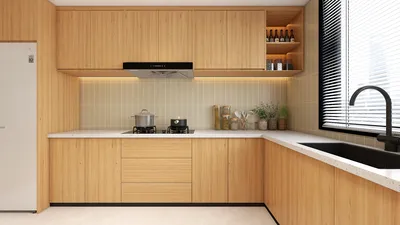


Artificial Intelligence (AI) is transforming the realm of interior design, making it more innovative, efficient, and accessible for everyone involved. By utilizing AI technology, designers can gather valuable insights, automate tedious tasks, and even produce breathtaking visualizations that were once time-consuming and labor-intensive. This article explores various ways AI is seamlessly integrated into the interior design process and the benefits it offers to professionals and enthusiasts alike. One of the most remarkable contributions of AI in interior design is its swift analysis of extensive data. This capability enables designers to quickly uncover trends, preferences, and potential obstacles in seconds. For example, AI can explore countless design styles and color palettes to suggest optimal choices based on a client’s tastes. This data-oriented method not only saves time but also sparks creativity by offering designers novel ideas they might not have thought of otherwise. Another crucial facet of AI in interior design is the incorporation of virtual assistants and chatbots. These tools facilitate effective communication between designers and clients by answering frequent queries, providing project updates, and even organizing appointments. By automating these administrative tasks, designers can devote more time to the creative aspects of their profession rather than getting bogged down in paperwork. Furthermore, AI-enabled design software can produce realistic 3D renderings and simulations of spaces, empowering clients to visualize the end result before any physical work commences. Platforms like Homestyler allow users to craft immersive 3D models of their spaces, integrating furniture arrangements, color schemes, and lighting options. This approach not only aids in making informed decisions but also enhances client satisfaction, as they witness their ideas materializing in a virtual setting. Moreover, AI contributes to optimizing space planning. By evaluating the dimensions and layout of a room, AI algorithms can propose effective furniture layouts that maximize space efficiency. This is especially valuable in compact areas where every inch is essential. When using an AI-driven design tool with room measurements, users can receive tailored arrangements that boost functionality while preserving aesthetic beauty. Additionally, AI plays a significant role in fostering sustainable design practices. With the increasing focus on eco-friendly solutions, AI can evaluate the environmental impacts of various materials and design choices, guiding designers toward more sustainable alternatives. This encompasses everything from choosing energy-efficient appliances to selecting materials with a minimized carbon footprint. In summary, AI is becoming an indispensable resource in the interior design sector. From analyzing trends to optimizing spaces and promoting sustainable practices, AI empowers designers to create environments that not only appeal visually but also address the practical needs of clients. As technology advances, we anticipate even more groundbreaking applications of AI in interior design, marking an exciting era for both designers and homeowners. The future of interior design transcends mere aesthetics; it's about developing spaces that cater to real people, with AI leading this revolutionary path.
Tips 1:
Consider incorporating AI tools into your design workflow to boost creativity and efficiency.
FAQ
welcome to Homestyler

UEV Mid Century Modern Sideboard Buffet Cabinet

Coaster Home Furnishings - Camacho - Upholstered C
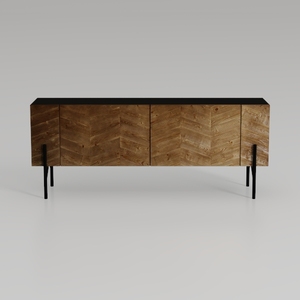
Diya Forged Bronze Finish Console Cabinet - 3D
Discover your dream home design with Homestyler! This easy-to-use online platform offers a fantastic design tool, stunning 3D renderings, and a wealth of DIY video tutorials. Whether you're a beginner or a pro, you can bring your design ideas to life effortlessly!
تصميم الآن مجانا
































